

























































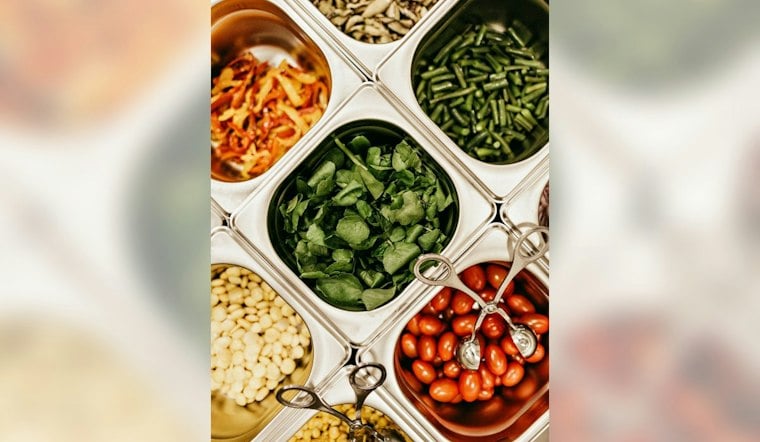
California has made its Farm to School program permanent, giving a more predictable funding base to an effort connecting school meal programs with local producers. The legislation provides $24.6 million for the grant program in next year’s budget, CapRadio reported. The department also has 16 regional navigators who help schools identify nearby crops. The program’s stated aim is to reach every school district; it currently serves 49% of California’s public school students, according to CapRadio’s coverage.
The program’s local supply chain includes farmers, ranchers and other food producers, as well as food hubs that handle coordination and delivery. CalMatters reports that about 500 districts participate and that the statewide effort works with nearly 600 small farms. Food hubs can place orders, bring produce to schools and manage administrative work that individual districts might otherwise have to handle. Davis-based Spork works with more than 100 small farms and 40 school districts, and can deliver as much as 120 tons of produce weekly, CalMatters reports.
Funding does not remove operational hurdles
The state estimates that each dollar spent through Farm to School generates $2.10 in local economic growth, according to CalMatters. But the program’s ability to expand depends on more than grant funding: the Berkeley Food Institute evaluation cited in the article identifies constraints including processing and kitchen capacity, staffing shortages in school nutrition departments and limited supply-chain transparency. The institute’s recommendations include ongoing support for program staff, higher wages for school nutrition workers, continued training in scratch cooking and local sourcing, and an incentive for districts purchasing from prioritized California farmers.
The evaluation also points to cash-flow pressures when reimbursements are slow, which can affect small farms and districts. Those concerns matter as schools and suppliers build the capacity to source, prepare and serve more locally grown food; permanent funding establishes continuity, but does not by itself resolve these practical constraints.
How local purchasing compares nationally
California’s figures above describe program reach and participating districts, not the share of all districts that purchase local food. Nationally, 63% of school food authorities said they served local foods in school year 2022-23. Among participating authorities, 42% cited local-food availability as a challenge and 35% cited cost, according to USDA-FNS’s 2023 Farm to School Census.
Sacramento-area summit will bring participants together
The summit is scheduled for October 15 at Soil Born Farms in Rancho Cordova, with a screening planned for the previous evening at Sacramento’s Crest Theater. The Center for Ecoliteracy says organizers intend the gathering to strengthen connections and build momentum for the program. The event listing provides the schedule; the Sacramento Bee reported that the Governor’s Office expects as many as 900 attendees, about three times the size of the 2023 conference at Aziz Farms. The Bee’s report is the source for that attendance estimate and comparison.




