

























































California cities and counties now have a hard deadline to bring disadvantaged communities into the room when they draw up local land-use plans. The state's Secretary of State chaptered Assembly Bill 1457 as Chapter 517 of the Statutes of 2026 on September 27, formally making it law.
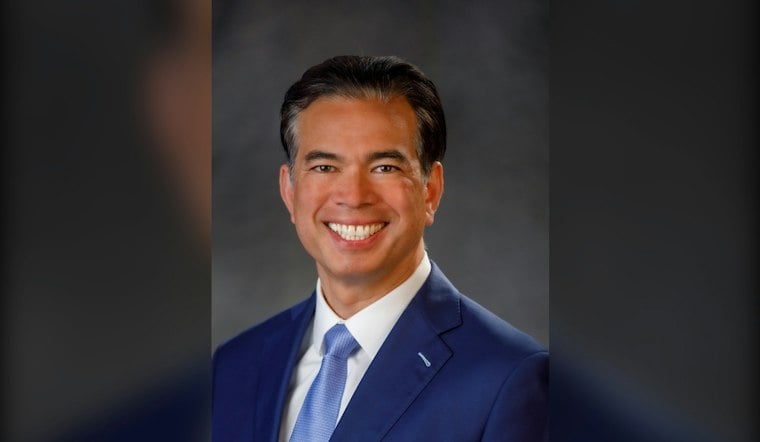
According to California Attorney General Rob Bonta, posting from his Threads account as @agrobbonta
, the measure is now law and he called it critical legislation that uplifts community voices, establishes a deadline for environmental justice in government land-use planning, and helps protect marginalized communities. Bonta, who serves as California's Attorney General and is based in Oakland, wrote that he partnered with Assemblymember Isaac Bryan and the Center on Race, Poverty and the Environment, thanking both in his post.
The substance of the law, as detailed in the bill record from calmatters.digitaldemocracy.org, requires a city, county, or city and county to meaningfully involve disadvantaged communities in developing, adopting, and implementing environmental justice elements or related policies within their general plans. That same bill record sets the compliance clock: covered jurisdictions must adopt or review their environmental justice elements by the earlier of specified concurrent element revisions or June 30, 2031, subject to exceptions the bill record does not spell out further.
Building on Existing State Planning Law
AB 1457 does not invent the environmental justice element from scratch. Existing California planning law already requires general plans, where applicable, to contain an environmental justice element, or related goals, policies, and objectives integrated into other elements, that identifies disadvantaged communities, per the same bill record. AB 1457 tightens that framework by adding the meaningful-involvement requirement and the 2031 deadline.
A California Department of Justice press-release snippet identifies Assemblymember Isaac Bryan as the law's author and names Attorney General Bonta and CRPE as sponsors, a framing echoed in a legislative update from the Governor's office crediting Bryan as author, though both of those sourcing details come from lower-confidence material. Isaac Bryan is associated with AB 1457 as its author in those accounts.
Roots in a 2016 Planning Law
The environmental justice element concept traces back further than this year's legislative session. Under SB 1000, a 2016 measure, a city, county, or city and county could satisfy the requirement either through a standalone environmental-justice element or by folding equivalent goals into other elements when adopting or revising multiple elements concurrently on or after January 1, 2018, according to leginfo.legislature.ca.gov. California's Office of Planning and Research later updated its General Plan Guidelines with revised environmental-justice guidance and example policy language in response to that law, per opr.ca.gov.
The state's broader Environmental Justice Program, run through CalEPA, describes an approach built around EJ Liaisons who listen to community concerns and work to ensure meaningful involvement across government, according to calepa.ca.gov. AB 1457 extends that same meaningful-involvement language into the specific context of local general-plan updates.
What Remains Unclear
The full enacted text of AB 1457 was not immediately available, leaving open questions about the precise statutory language, the exceptions referenced alongside the 2031 deadline, and how the law's requirements will apply across California's many cities and counties. No vote totals, fiscal impact figures, or statements from disadvantaged-community organizations accompanied the bill's chaptering. For now, the clearest marker of the law's arrival is Bonta's own announcement, thanking Bryan and CRPE for their roles in pushing it through.





