

























































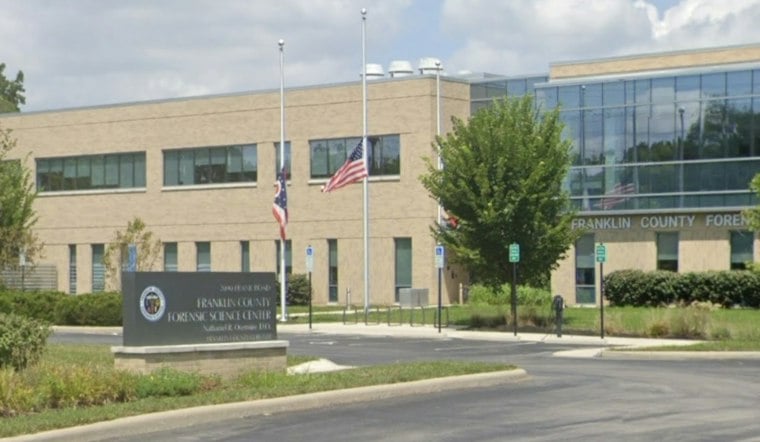
A 39-year-old woman from Chambersburg has died after being diagnosed with measles, officials said, marking the sixth measles-associated death in Pennsylvania this year. The Franklin County Coroner's Office reported that the woman died Saturday, and that the county had recorded seven total confirmed measles cases in 2026 prior to her death.
According to CBS Pittsburgh, the coroner's office said the woman had several underlying conditions, including a past measles diagnosis that had been treated, and that her death meets the Pennsylvania Department of Health's definition for a measles-associated death. It marks Franklin County's first death in many years involving a patient with a recent measles diagnosis, per the coroner's office.
A Grim Tally Across the Commonwealth
The Chambersburg woman's death adds to a sobering timeline. Pennsylvania's five prior measles-associated deaths in 2026 involved two infants in Lancaster County who died in August, a 40-year-old woman in Jefferson County, an 18-year-old in Mifflin County who died of acute disseminated encephalomyelitis, a rare and severe inflammatory brain condition, and an unvaccinated Lancaster County resident reported on September 30, according to coverage cited by FOX43. The two infant deaths in August marked Pennsylvania's first measles-associated fatalities in 35 years and the first measles deaths reported anywhere in the United States in 2026, per HistoryOfVaccines.org.
Statewide, Pennsylvania has reported 1,136 measles cases in 2026, including 157 recorded within the last seven days, according to the Pennsylvania Department of Health. Of those cases, 219 people — nearly 19 percent — have required hospitalization, the Post-Gazette reports, underscoring that measles poses a severe medical risk well beyond its death toll.
Lancaster County Remains the Epicenter
Lancaster County remains the primary epicenter of the outbreak, according to NBC10 Philadelphia. The county had nearly 400 cases, 391 as of early October, followed by Mifflin County with 117 cases and Chester County with 84 cases. Those hot spots echo other local clusters Hoodline has tracked in recent weeks, including a Chester County school closure.
Fewer than 1 percent of Pennsylvania's confirmed measles cases during the outbreak have occurred in fully vaccinated individuals, with the Pennsylvania Department of Health tracking only four breakthrough cases among vaccinated residents. Health officials say the MMR vaccine is safe and remains the best way to protect against measles. The outbreak has prompted a growing number of people to get vaccinated — state healthcare centers have administered more than 5,500 MMR vaccinations since April in outbreak-affected communities, while nurses have given more than 8,500 vaccine doses at pop-up clinics across Pennsylvania.
Shifting Demographics as the Outbreak Ages
Young children accounted for 83 percent of Pennsylvania's measles cases during the first quarter of 2026, but adult infections surged as the virus spread, with adults now making up more than two-thirds of all cases statewide by October, according to CIDRAP.
Nationally, the Centers for Disease Control and Prevention reported 4,080 confirmed measles cases as of October 8, making 2026 the highest annual national total since 1991 and Pennsylvania's outbreak the largest single-state resurgence in over three decades. Yet the CDC had confirmed only two national measles deaths, compared with five reported in Pennsylvania.
Even survivors face lingering risk. A 2019 study led by Harvard University researchers, cited by the Post-Gazette, found that measles infection can cause “immune amnesia,” destroying between 11 percent and 73 percent of a person's existing antibodies and leaving patients vulnerable to other pathogens long after they've recovered. The findings highlight how measles can leave survivors vulnerable to other pathogens.





