

























































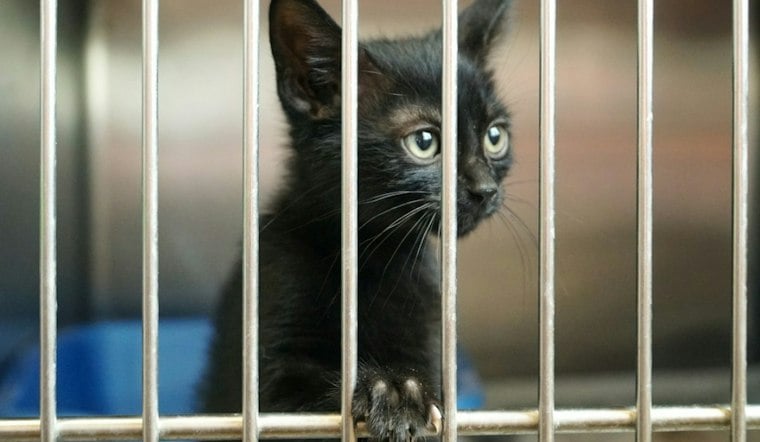
A man trying to feed a feral cat behind Cypress Landing Apartments in Chesapeake ended up with injuries to his hands and face on October 14, and testing later confirmed the animal was carrying rabies. He is currently receiving medical treatment, according to health officials, as the case prompts fresh warnings about approaching stray or wild animals in the area.
According to the Virginia Department of Health, as reported by 13News Now, the cat caused injuries to his hands and face before testing confirmed it was positive for rabies. The department is now warning the public against feeding wild animals, a message aimed squarely at well-meaning residents who might not realize the risk behind a seemingly harmless gesture.
Health Officials Urge Caution Around Strays
Derek Hunt, Chesapeake's environmental health manager, said direct contact with animals is best left to professionals. Per the station's report, Hunt noted that direct contact is best left to a professional animal service provider, such as Chesapeake Animal Services, or a certified animal rescue organization, rather than everyday residents trying to help on their own.
Wildlife including raccoons, skunks and foxes commonly carry rabies and can pass the disease along to unvaccinated feral and domestic pets, as well as livestock, the same account notes. Rabies symptoms in animals can include abnormal behavior, difficulty swallowing, poor balance, paralysis and seizures, and the illness can rapidly become fatal once a mammal develops symptoms.
Eastern Region Sees More Positive Cases
The Virginia Department of Health has also reported an increase in positive rabies cases in the Eastern Region this year. That trend lines up with statewide numbers: Virginia recorded 280 confirmed animal rabies cases during the first half of 2026, including 155 raccoons, 64 skunks, 24 cats, 20 bats, 11 foxes, three groundhogs, one bobcat, one cow and one goat, according to Patch.
The same outlet reported that the CDC received 17% more rabies-related inquiries in July and August than during the same period the previous year, a detail included in a September 10 health advisory. Similar incidents have surfaced elsewhere in Virginia this year — in Smithfield's Cypress Creek neighborhood, a feral cat tested positive for rabies and was euthanized, prompting the Isle of Wight County Health Department to urge anyone who may have contacted it to discuss potential exposure, as reported by the Smithfield Times.
What To Do After a Possible Exposure
Officials stress that speed matters once exposure happens. The Virginia Department of Health advises people bitten by wild or stray animals to remain calm, wash the wound thoroughly with soap and water, and contact a health care provider or the Chesapeake Health Department, according to the same 13News Now account.
The City of Chesapeake echoes that urgency on its own rabies information page, noting that rabies is transmitted by exposure to the saliva or central nervous system tissue from an infected animal. Do not wait to see if you feel ill, the city warns; by the time symptoms of rabies appear, it is too late, according to the City of Chesapeake. Any exposure should be reported immediately to the Health Department during business hours, or to police through the non-emergency number after hours, per the city's guidance.
Treatment Works, But Only If It Starts in Time
There is a measure of reassurance in the numbers. Post-exposure rabies treatment for humans is 100% effective when started promptly, though the disease is fatal if left untreated, the Virginia Department of Health has said. That stark contrast underscores why health officials keep pushing the same message: act fast, don't wait for symptoms, and let trained responders handle contact with animals that could be carrying the virus.
What State Law Requires of Pet Owners
Virginia law already requires owners to stay ahead of the problem at home. Under the Code of Virginia, the owner or custodian of every dog or cat four months of age or older must keep the animal currently vaccinated against rabies by a licensed veterinarian or a qualifying supervised veterinary technician. Keeping those vaccinations current remains one of the clearest ways families can limit their own risk, even as officials continue tracking a rise in positive cases across the region.





