

























































Xander Shanahan was just 3 years old when his parents noticed something was off. He wasn't hitting his usual milestones, he was vomiting and sleeping far more than normal, and his left eye had started turning inward. What began as a series of pediatrician visits ended with an MRI that uncovered a brain tumor, setting off an emergency surgery and a treatment journey that his family says has changed everything.
According to WKRC, Xander's mother, Nicole Shanahan, said her son was vomiting, sleeping a lot, and had an eye that had begun turning inward before doctors intervened. The family had already taken him to a pediatrician several times trying to figure out what was wrong. It wasn't until his ophthalmologist ordered an MRI that the picture became clear.
That scan revealed the tumor, and doctors determined it had caused obstructive hydrocephalus — a dangerous buildup of fluid pressure on the brain. Xander needed immediate, emergency surgery to address the swelling before his care team could move forward with treating the tumor itself.
Targeted Pills Instead of Chemotherapy
Rather than conventional chemotherapy, Xander's medical team used genetic testing to help guide his treatment plan. That testing led doctors toward molecularly targeted therapy — two oral medicines that Xander took every day, aimed specifically at the tumor rather than a broader chemotherapy regimen, the outlet's report notes.
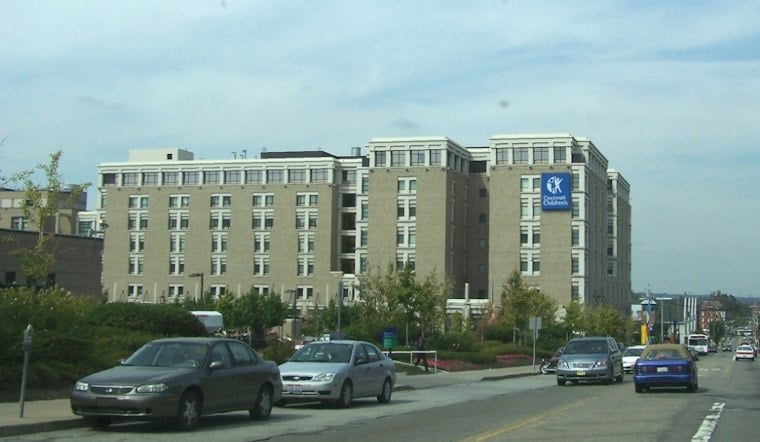
Xander responded well. His tumor shrank significantly, and now, at 5 years old, he's nearing the end of treatment altogether. It's the kind of outcome that reflects a broader shift in pediatric oncology: Cincinnati Children's says genetic profiling can help identify which therapy to use next based on a tumor's genetic makeup, matching patients with anti-cancer drugs suited to their specific case, according to Cincinnati Children's.
A Team Approach to Recovery
Xander's ongoing care has included physical therapy and occupational therapy, along with endocrinology, neurology, and physical medicine and rehabilitation support as his family continues watching him grow. Brian Shanahan, Xander's father, said the family is still learning about his needs as he develops. It's a process that fits with how Cincinnati Children's structures its Brain Tumor Center, where the core team draws from neuro-oncology, neurology, neurosurgery, radiation oncology, neuropsychology, endocrinology, rehabilitation medicine and genetics.
Nicole Shanahan said her son now has much more energy and enjoys running, playing, superheroes and cars — ordinary joys that once seemed uncertain. She said his care saved his life and improved his quality of life, crediting the treatment approach with the developmental strides he's making now.
Brain Tumors Remain a Leading Childhood Cancer
Xander's diagnosis places him among a significant population of young patients. Brain and spinal cord tumors are the second most common cancers in children after leukemia, accounting for about one in five newly diagnosed childhood cancers in the United States, according to the American Cancer Society. The same organization notes that about three out of four children with brain tumors of all types survive at least five years after diagnosis.
The National Cancer Institute has said treatment for children with brain and spinal cord tumors is generally based on the tumor's histology and its location within the brain. The agency has also pointed to ongoing research into targeted therapies for selected childhood cancers — including studies of the drug selumetinib in children with relapsed or refractory low-grade gliomas, where reductions in tumor size were observed in most patients, per the National Cancer Institute.
Cincinnati Children's has said its approach focuses on treating the whole patient, not only the cancer itself — a philosophy reflected in Xander's multidisciplinary care team. September marks Childhood Cancer Awareness Month, the backdrop against which the Shanahan family chose to share their son's story.


