

























































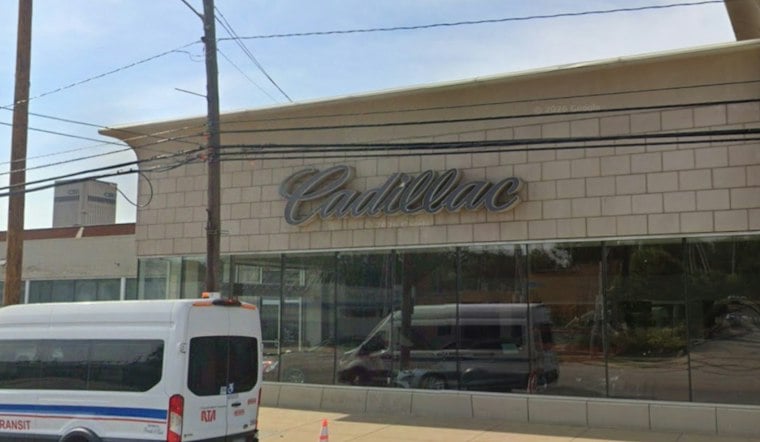
Antwaun Cooks put $30,000 down by cashier's check and financed the rest to buy his dream car from Central Cadillac in Cleveland on January 22, 2024, making every single loan payment on time for more than two years. Then, on March 31, 2026, the vehicle was repossessed anyway, leaving the buyer without the car he had purchased.
The repossession stemmed not from anything Cooks did, but from an uncleared $106,000 debt a previous owner allegedly owed to Mercedes-Benz Financial Services, according to details Cooks shared describing the dispute. That prior owner is accused of trading the vehicle in at Central Cadillac using a fraudulent title while under what's described as a skip trace, a detail first reported locally by WKYC, which covered the repossession more than two years after the original sale.
How a Clean Payment History Still Ended in Seizure
Ohio Revised Code Section 4505.13 provides for electronic recording of security interests on motor vehicles in the state's Automated Title Processing System. Mercedes-Benz Financial Services reclaimed the car despite Cooks having kept up every payment.
Ohio law does give dealers some room to operate before a clean title is in hand. Under Ohio Revised Code Section 4505.181, licensed dealers are legally permitted to sell used vehicles before obtaining title in their own name, according to the Ohio Attorney General. Buyers, in turn, retain an unconditional statutory right to cancel the transaction if a title isn't delivered within 40 days, a protection meant to balance dealer flexibility against the risk of exactly this kind of title defect.
Why the Lien Didn't Show Up Sooner
One open question in the case is how Central Cadillac's intake process missed the outstanding Mercedes-Benz Financial Services lien before selling the car. The federally mandated National Motor Vehicle Title Information System is designed to let state titling agencies and data providers check vehicle histories, brandings, and stolen-vehicle status across all 50 states specifically to prevent this kind of cross-state title washing, per the U.S. Department of Justice. The Anti Car Theft Act provides a basis for state participation in NMVTIS.
State motor-vehicle agencies can use NMVTIS to access vehicle-history information.
Ohio's Title-Defect Protections
Ohio law includes protections for buyers caught in title-defect disputes.
Cooks's situation highlights the risks buyers can face when vehicle title problems arise.
Part of a Wider Pattern in Northeast Ohio
A 2026 Hoodline story described an alleged theft ring involving about three dozen vehicles, mostly Dodge Challengers and Durangos, along with other cars and SUVs. The case followed a similar 2023 prosecution involving 86 stolen vehicles across 26 regional dealerships.
For now, Cooks is left without the car he spent more than two years paying off, while the lender pursues a legal claim that predates his purchase.



