

























































Bitcoin ATMs tucked inside Oregon grocery stores are on borrowed time. Coinme, the Seattle company that lets customers buy cryptocurrency with cash through Coinstar kiosks, has agreed to stop operating its machines in Oregon and 31 other states, plus Washington, D.C. and Puerto Rico, by January 1, 2027, as part of a $2.5 million settlement with state financial regulators.
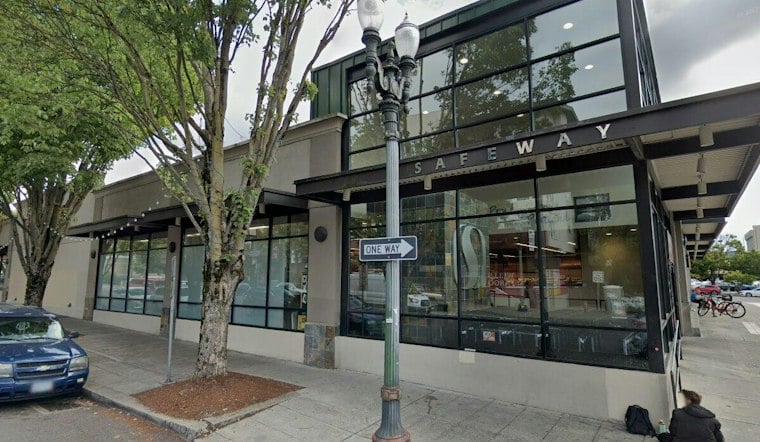
The deal, reported by The Oregonian/OregonLive, closes out a review that found Coinme failed to adequately check customer identities, track transactions, and report suspicious activity. As of October 21, Coinme's own website listed 135 bitcoin ATMs still scattered across Oregon, though the company has not confirmed how many remain operating today. One of those kiosks was recently pictured inside the Safeway at 1100 NE Broadway in Portland, a familiar setup for a company that partners with Coinstar — better known for its coin-counting machines — to let customers trade cash for bitcoin on the spot.
What Regulators Found
According to the Conference of State Bank Supervisors, 34 state financial regulatory agencies reached the $2.5 million settlement with Coinme over alleged Bank Secrecy Act and anti-money-laundering violations. State regulators reviewed Coinme's business practices from March 2023 to March 2025 and said the company's shortcomings left its bitcoin ATMs vulnerable to criminals moving money illegally. Regulators said Coinme has since improved its anti-money-laundering efforts but has not fixed all of the problems flagged in the earlier reviews.
Under the agreement, Coinme must hire an independent consultant to review the effectiveness of its compliance program and submit a report to the states within six months, per CSBS. The company will then have 12 months to correct any deficiencies the review uncovers. If Coinme fails to stop operating cryptocurrency kiosks in the covered states and territories by the January 2027 deadline, it faces an additional $4 million penalty, the regulator group said. Coinme neither admitted nor denied wrongdoing in the settlement, and the agreement does not identify specific consumers who lost money or link Coinme to particular fraudulent transactions.
Oregon's Share and the Fine Print
Oregon will receive $101,425.34 from the multistate settlement, according to the Ashland Daily Tidings, with regulators dividing the penalty among states based on how much business Coinme handled in each one. Regulators have not explained exactly how they calculated the individual penalty amounts, and the settlement money itself will not go directly to consumers. Coinme can continue offering its other cryptocurrency services under the settlement, and Coinstar may well keep its coin-counting machines in stores even after the bitcoin kiosks disappear — leaving open the possibility that another company could eventually take over Coinme's bitcoin-buying function in those same locations.
Washington regulators separately accused Coinme of failing to meet state financial requirements and of improperly counting more than $8 million in unused cryptocurrency vouchers as income, according to GeekWire. Washington regulators said Coinme claimed the voucher money as its own without telling customers the expiration dates or turning unclaimed funds over to the state. Coinme disputed those allegations, saying the vouchers never expired and customers could still redeem them; the company has said it eliminated the voucher system entirely in August 2023 and now credits purchases instantly to customer accounts. The multistate settlement resolves both regulatory cases. Coinme did not immediately respond to emailed questions, per the Oregonian/OregonLive report.
Why State Officials Are Sounding the Alarm
Oregon financial regulators are using the settlement as a moment to warn residents that scammers sometimes pose as government officials, bank employees, or utility workers and pressure people into depositing cash into cryptocurrency kiosks. TK Keen, Oregon's insurance commissioner and administrator of the Division of Financial Regulation, said legitimate entities will not tell people to put money into a cryptocurrency kiosk. Victims who send money to scammers through these machines may find it difficult to ever get it back, since cryptocurrency transactions are hard to reverse.
The warning lines up with a broader national trend. The FBI recorded 13,460 cryptocurrency-kiosk fraud complaints nationwide in 2025, a 23% jump from the year before, according to data cited by Unitus Community Credit Union. Reported nationwide losses hit $389 million in 2025, up 58% year over year, and adults 60 and older accounted for 75% of kiosk-related crimes, with an average loss of $41,607 per victim. The FBI reported approximately $5.2 million in cryptocurrency-kiosk fraud losses in Oregon specifically, per the same report.
A New Owner Enters the Picture
Coinme's regulatory troubles arrive just as its ownership changes hands. Polygon Labs, a blockchain technology company based in the Cayman Islands, announced its acquisition of Coinme last week to expand its cryptocurrency payment services. Polygon Labs said the deal gives its Open Money Stack licenses to transfer money in dozens of states — The Block reports the acquisition brings coverage across 48 U.S. states, adding 37 state money-transmitter licenses, 11 applicable exemptions and registration with the Financial Crimes Enforcement Network as a money services business. The purchase was part of a combined $250 million deal announced in January that also included wallet-infrastructure firm Sequence, according to the outlet.
Coinme still operates a network of more than 6,000 bitcoin ATMs across the country, a footprint built through partnerships with MoneyGram and Coinstar. For now, Oregon shoppers scanning the kiosk inside their local Safeway or grocery store have about 71 days before that option disappears for good — whatever comes next for the machines themselves.



