

























































A coalition of Colorado volunteer groups is scrambling to put roughly 1,000 poll monitors at polling sites and drop boxes statewide for the November midterms. The push comes as organizers and longtime volunteers say they are increasingly worried about federal interference and intimidation discouraging people, especially immigrants, from casting ballots.
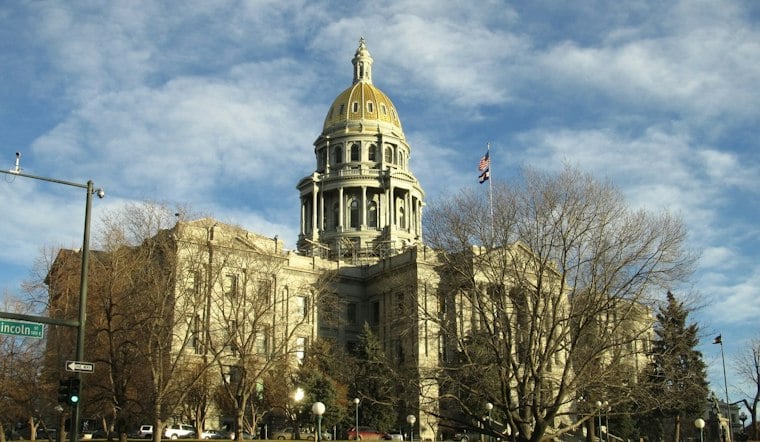
The effort is led by Just Vote Colorado, a coalition that includes Colorado Common Cause, which has expanded its own poll-monitoring program compared with two years earlier, according to Sentinel Colorado. Two years ago, Colorado Common Cause's program had 300 volunteers; this cycle, the broader Just Vote Colorado coalition plans to deploy roughly 1,000 volunteers across the state to watch polling sites and drop boxes. About 50 Coloradans turned out for a poll monitor training near the state Capitol in Denver this past Friday, October 9, to learn the ropes before Election Day.
What Poll Monitors Actually Do
Aly Belknap, who led the Denver training, said Just Vote Colorado's goal is to protect eligible voters from unfair barriers and intimidation. Monitors are trained to support voters, maintain a positive environment, and report and document problems at polling sites — things like long lines, inaccessible entrances, unusually high numbers of provisional ballots, or students being wrongly told they cannot vote. Training covered Colorado election law, how to connect voters with a national voter-assistance hotline, and how to report suspicious activity, but monitors are explicitly not expected to step in and de-escalate conflicts themselves.
Luana Charnes, who also works with the program, said poll monitors are strictly nonpartisan and are there to report issues, not to interfere. That distinction matters under Colorado law: official sworn poll watchers, appointed by party chairs, candidates or issue committees, have specific legal rights under Title 1 of the Colorado Revised Statutes to observe ballot handling and signature verification, according to the Denver Clerk and Recorder.
Volunteers Describe Their Motivation
Judith White, a Denver resident and first-time poll monitor who belongs to the left-leaning Indivisible movement, has previously done phone banking and other election work but said this cycle feels different. She told the station that an announced forceful presence at polling places could deter people from voting altogether, per the Sentinel Colorado report.
Vita Lantz-Brown, who has volunteered as a poll monitor and election worker for two decades, said voting is one of the clearest ways people can make their voices heard. Lantz-Brown, who has 25 grandchildren and 10 great-grandchildren, said she worries some people — particularly naturalized citizens — may stay away from the polls out of fear that federal immigration enforcement could show up at voting sites, the same report notes.
Legal Guardrails Around Drop Boxes
Colorado lawmakers have been actively fortifying the buffer around ballot drop boxes and voting centers. In June, Governor Jared Polis signed House Bill 26-1113 into law, expanding the legal no-interference buffer to 100 feet around drop boxes and voting centers, mandating earlier distribution of mail ballots, and barring candidates seeking a third presidential term from appearing on the state ballot, according to the Colorado Secretary of State. The legislation was explicitly crafted to fortify state voting operations against potential federal interference.
Separately, Colorado's Vote Without Fear Act bars carrying a firearm, openly or concealed, inside polling locations or within 100 feet of drop boxes, voting centers, or central ballot-counting facilities, with exceptions that include peace officers, specified security personnel, and people carrying a firearm on their own private property within the buffer, per FindLaw. Interference within the same 100-foot zone carries criminal penalties.
Federal Tensions Loom Over the Midterms
The volunteer surge comes against a backdrop of friction between state election officials and federal authorities. In March, Secretary of State Jena Griswold joined election officials from eight other states in asking the U.S. Department of Homeland Security to confirm in writing that Immigration and Customs Enforcement agents will not be stationed at polling sites this cycle, Colorado Politics reported. In July, the Civil Rights Division of the U.S. Department of Justice sent letters to election officials in all 50 states, including Colorado, warning that state officials could face federal criminal prosecution if noncitizens vote in federal elections — a move Griswold denounced as an intimidation tactic aimed at local election workers, according to KUNC.
President Donald Trump and other federal officials have shared falsehoods about widespread election fraud and mail-ballot security, per Sentinel Colorado. The U.S. Supreme Court blocked a Trump bid to restrict November mail-in ballots on September 14, and the outlet notes that former Mesa County Clerk Tina Peters reportedly met with Trump this month to discuss federal involvement in the midterms. Peters was convicted in August 2024 of multiple felonies tied to an attempt to breach secure election equipment in Mesa County.
Peters Case Still Casts a Shadow
Peters was released on parole from state prison in June after serving less than a quarter of her nearly nine-year sentence, following a commutation by Polis under political pressure from Trump and an April appeals court decision ordering her resentencing, as CBS News reported. The commutation drew backlash among Colorado Democrats. Her case still colors internal state debate over election integrity even as officials stress there is no evidence of widespread fraud in Colorado's election system.
Colorado remains a universal vote-by-mail state with systems designed to ensure ballots are counted accurately, and the state overwhelmingly relies on mail ballots and drop boxes. In the 2024 General Election, 92.2 percent of voters who chose a voting method — nearly 2.99 million people — returned ballots by mail or drop box, while 7.8 percent, about 251,000 people, voted in person, according to the Colorado Secretary of State. That reliance is part of why drop boxes have become such a visible focal point for both monitoring efforts and intimidation fears.
Key Dates for Colorado Voters
County clerks have already mailed ballots to Colorado voters ahead of the November midterms. The state recommends returning ballots by mail no later than October 26 to ensure they are counted, while voters can also drop off ballots at polling sites or drop boxes until 7 p.m. on November 3, when polls close statewide.





