

























































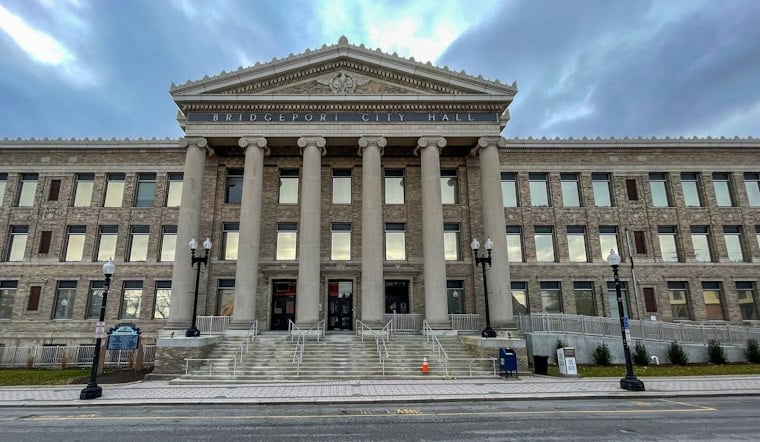
Connecticut couples can no longer walk into a town hall, get a marriage license, say their vows and walk out with a finished certificate all in the same day. As of Thursday, October 1, 2026, the state requires a minimum 48-hour wait between applying for a marriage license and actually receiving it, ending a same-day process that had turned some municipal buildings into assembly lines for quick ceremonies.
Under the old system, couples could apply for a license, receive it, get married and walk away with a completed marriage certificate all in one visit, according to CT Insider. That ease drew scrutiny after officials noticed scores of immigrants traveling to Bridgeport and other Connecticut cities each month, often from out of state, to marry U.S. citizens in quick ceremonies at municipal buildings, the outlet reported. Now, as CT Insider reports, applicants must wait at least 48 hours before the license is issued and the ceremony can take place.
The Bridgeport Office of Vital Records has already posted notices about the new waiting period, and per the seed reporting, at least one such notice stated there are no exceptions. Couples still do not need to live in Connecticut to marry there, but they must apply in person at the vital records office for the town where the wedding will be held, provide identification, pay a fee and swear in person that the information on their application is true. Once a license is issued, couples have 65 days to hold the ceremony, and per the Connecticut Department of Public Health, the license only becomes an official marriage certificate once it is registered as a vital record.
Why Lawmakers Moved on Marriage Fraud
The new waiting-period law was included in a bill passed by state legislators and signed into law by Gov. Ned Lamont, with the measure originating from the legislature's Planning and Development Committee. The committee's co-chairs, state Rep. Eleni Kavros DeGraw of Avon and state Sen. MD Rahman of Manchester, pushed the change forward. Rahman said the 48-hour wait could be a small hurdle for good-faith couples but could make a real difference for people facing coercion or a fraudulent marriage, according to the seed reporting.
The concerns were not abstract. Two women told Southington police in 2024 that they had been threatened over sham marriages after being arranged to enter into fraudulent unions with two men originally from India, agreeing to help the men obtain immigration benefits, per the same reporting. Connecticut's justice of the peace association had separately said incidents of human trafficking and marriage fraud were increasing, according to CT Post.
A Spike in Town Hall Weddings
Bridgeport and other municipalities had for months been grappling with a spike in marriages, particularly ceremonies performed at town halls, the CT Post reported. New Haven saw a similar jump in wedding activity. A preliminary review found that one Bridgeport official, Wanda Geter-Pataky, conducted around 65 weddings in July 2023, 50 in August 2023 and 55 in September 2023, and on one reported day she conducted seven marriages in New Haven City Hall involving an Indian-born spouse and an American-born spouse, none of them local residents, according to the outlet's account.
Bridgeport had already begun tightening its own rules before the statewide law took effect. The city required nonresidents to schedule wedding appointments online starting in April 2024, and by that November had imposed its own 48-hour wait for couples submitting paperwork to get a certified marriage certificate, after previously offering same-day service — a local policy that predates the statewide license-issuance wait now in effect and should not be treated as identical to it.
Officials in several municipalities said the influx of out-of-state marriages was straining local resources, prompting some towns to change their license-issuance policies even before the state acted, per CT Insider. The sham-marriage concern reaches beyond Connecticut, too: the U.S. Department of Justice announced in August that a group of people in New York had been indicted for allegedly orchestrating more than 1,000 sham marriages between foreign nationals and U.S. citizens, according to the U.S. Department of Justice.
New Rules for Justices of the Peace
The law does more than slow down the paperwork. Other provisions, set to take effect January 1, 2027, target the officiants themselves. The act bars justices of the peace from officiating a wedding they know or should know is unlawful or fraudulent, addressing conduct tied to violations of federal immigration law, according to the Connecticut General Assembly.
The new law also prohibits justices of the peace from taking official action intended to deceive or defraud another person, and bars them from using their title in endorsements or promotional statements. Starting next year, the secretary of the state will be required to investigate allegations of official misconduct by justices of the peace, with authority to issue a written warning or reprimand, or to suspend or revoke a justice's appointment. Justices of the peace will also be liable for damages stemming from their official misconduct under the act.
For now, the immediate change couples will notice is the clock: no more same-day licenses, no more walking out married within hours of filling out paperwork. The 48-hour wait applies statewide regardless of where in Connecticut a couple plans to say “I do.”





