

























































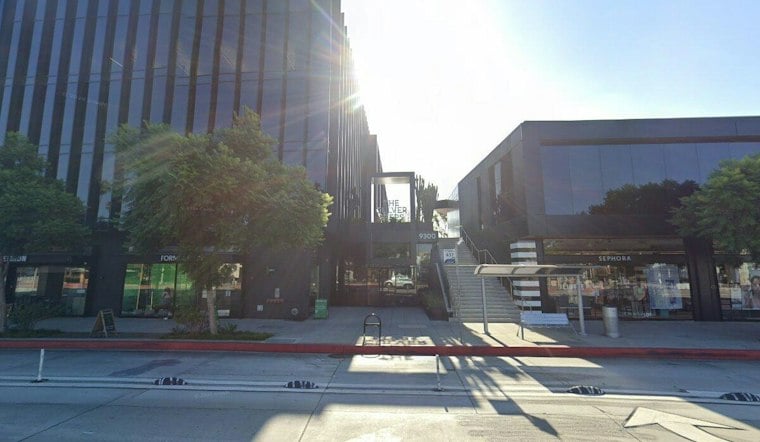
A cluster of artificial intelligence filmmaking startups has been quietly setting up shop inside Culver City office buildings once occupied by more traditional entertainment tenants, drawn by cheap space, proximity to major studios, and a belief that generative tools can remake how movies and shows get made. Mike Gioia, a founder of the AI on the Lot networking group, is trying to build out a Culver City cluster of AI companies and workers, and he wants the city to become nothing less than the capital of AI media.
A Studio Town Fills With AI Startups
According to the Los Angeles Times, Culver City is attracting a growing cluster of AI filmmaking startups, pulled in by the presence of Hollywood studios, technology companies and available office space. The city is already home to Amazon MGM Studios, TikTok, Apple and Sony Pictures Entertainment, giving new entrants both neighbors and potential clients. Among the AI studios now operating there are Promise, Trueshort, Native Foreign and PhantomX, each using generative tools for short-form crime shows, commercials and film effects, per the same report.
That expansion is happening even as Hollywood unions and workers fear AI will take their jobs, while studios themselves are exploring hybrid productions that blend human and machine-made elements, the Los Angeles Times reports. SAG-AFTRA secured special protections against fully synthetic performers in its contract signed in 2026, a safeguard that sits alongside California's broader legal framework: Governor Gavin Newsom signed AB 2602 and AB 1836 into law in September 2024, making contractual clauses for unauthorized AI digital replicas unenforceable and providing 70 years of protection against unauthorized commercial use of AI-generated replicas of deceased performers in audiovisual works, according to Foley & Lardner. Separately, AB 2013 requires generative AI developers to publish summaries disclosing the copyright status of their training data starting January 1, 2026, per Legal 500.
Office Space, Vacant and Cheap
The city's appeal is partly a matter of real estate math. The decline of the Los Angeles entertainment business has made office space more available and affordable in Culver City, the Los Angeles Times notes, and the numbers back that up: Culver City's office vacancy rate sat near 29 percent in 2026, primarily reflecting new building inventory rather than a drop in actual demand, according to citybiz. That glut has coincided with real distress for legacy studio infrastructure in the city — the former Sony Pictures Animation campus at 9050 Washington Blvd was scheduled for auction on August 24, with lenders claiming more than $100 million was owed and the buyer and outcome still unresolved, as Hoodline previously reported.
On-location film and television production across Greater Los Angeles fell 16 percent in 2025 to 19,700 shoot days, per KABC. AI proponents argue the technology can cut high production costs and let creatives make films that otherwise would never get made, the Los Angeles Times reports, framing the downturn as an opening rather than only a loss.
Trueshort's Ten-Thousand-Dollar Episodes
Trueshort moved into Culver City in September 2026, relocating from Santa Monica and taking over most of a 5,000-square-foot office near Amazon's studio and near the Culver Theater, per the Los Angeles Times. The company has raised $17 million and employs about 45 people, roughly 75 percent of them creatives, and its streaming app hosts fully AI-generated short-form true crime audio and video shows. Trueshort can produce a 10-minute episode for about $10,000 in roughly 10 days, the newspaper reports — a fraction of traditional production costs. Nate Tepper, according to the same report, said an AI startup could become the next Netflix or Disney.
Not every AI bet has gone smoothly. Native Foreign, which makes AI commercials for brands including Virgin and Toys R Us, built the AI-animated short Critterz using OpenAI software, per the Los Angeles Times. OpenAI canceled its video-making AI model and withdrew from a planned movie based on Critterz, a collapse that, as TNW reported, forced the $30 million feature — produced alongside AGC International and Vertigo Films as a proof-of-concept for AI feature animation — past its planned 2026 Cannes Film Festival premiere after OpenAI discontinued Sora's consumer app in April and its API in September over steep compute costs. Nik Kleverov said AI tools allow his company to compete beyond its usual scale, according to the Los Angeles Times.
Big Backers and Bigger Bets
Promise, co-founded by filmmaker Dave Clark, uses AI to generate backgrounds, visual effects and synthetic humans, while still relying on actors for many performances shot on Los Angeles soundstages, the Los Angeles Times reports. The company moved close to Culver City from Venice in June 2026 after acquiring Curious Refuge — an online AI school that teaches traditional artists and beginners generative filmmaking tools — in late 2024, according to Forbes. Promise had already added Google's AI Futures Fund to its backers in May 2025, alongside Peter Chernin's The North Road Company and Andreessen Horowitz, the outlet reported, and in July 2026 Disney selected Promise for its five-company Disney Accelerator cohort to evaluate the startup's generative production system, MUSE, according to VP Land. Dave Clark said Culver City is a strong place for new filmmaking and urged independent filmmakers to reclaim power, per the Los Angeles Times.
Luma AI, a Palo Alto startup valued at $4 billion, opened a Culver City facility in 2025 — a 7,000-square-foot Dream Lab employing 13 people, according to the same report. Caroline Ingeborn said Culver City is the future of AI and filmmaking. Luma's valuation followed a $900 million Series C round in November 2025 led by Saudi Arabia's HUMAIN, per Tracxn.
Echoes of Past Tech Fights
Hollywood veterans have compared the current AI debates with past disputes over technology, the Los Angeles Times notes. Alex Cancado, who has worked on more than 80 movies and now works in Amazon MGM Studios' AI studios division, said directors and producers initially resisted computer graphics the same way some resist generative AI today. AI on the Lot, which Gioia helped found, began in Culver City in 2023 and has grown to thousands of attendees; it sponsored a job fair at Culver Steps during LA Tech Week — an event organized by venture capital firm Andreessen Horowitz — along with a networking happy hour for media AI companies, per the Los Angeles Times. The group estimates that AI media companies with $2 billion in combined backing have converged on the city.
Adam Troy described Culver City as a hub for an evolving creative economy, according to the Los Angeles Times. The city has leaned into that framing elsewhere, too: officials rolled out a one-year pilot program eliminating per-application film fees to lure traditional shoots, as Hoodline previously reported, even as Sony has cut jobs in Culver City.





