

























































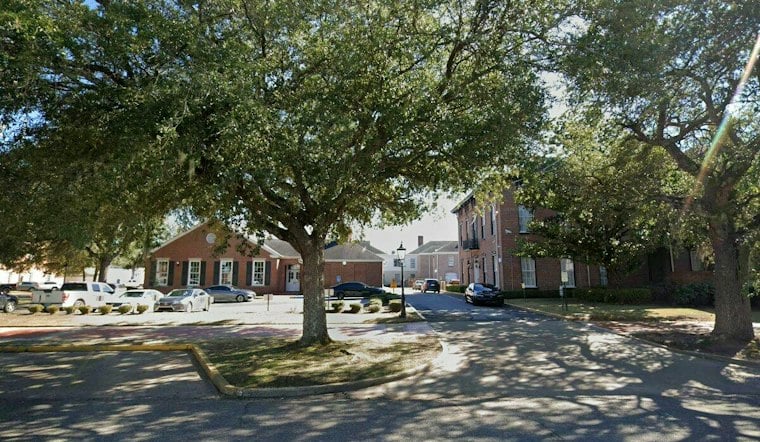
Alabama homeowners are falling behind on their mortgages at a pace that's outstripping much of the country, and nowhere is the pressure heavier than in Dallas County, the Black Belt region anchored by Selma. The county now scores highest in the state for foreclosure risk, driven by the heaviest mortgage cost burden and the highest five-year unemployment rate of any Alabama county.
Statewide, Alabama recorded 3,671 foreclosure filings in the first half of 2026, marking a 21% jump from the same period in 2025, according to AL.com. The state had the nation's 15th-highest foreclosure rate. That total is up 43% from the first half of 2024. The state's mortgage delinquency rate has climbed to 1.1%, 0.3 percentage points higher than its 0.8% rate at the end of 2023, and now exceeds the national delinquency rate of 0.9%, per the same report. By August, Alabama ranked 10th worst in the nation for its foreclosure rate — trailing neighbors Louisiana, at a 2.1% delinquency rate, and Mississippi, at 1.8%.
The risk rankings come from analytics firm NestCash, which weighed market softness, mortgage cost burden, 90-day delinquency figures and unemployment data pulled from Census records, government unemployment statistics, Realtor.com market conditions and Consumer Financial Protection Bureau mortgage performance trends. The firm's survey found that Alabama's delinquency risk is concentrated in the southern half of the state, with Dallas County sitting at the top of the list.
Dallas County's Deep Economic Strain
Dallas County, the largest of Alabama's Black Belt counties, carries a median household income of just $35,627 and a poverty rate of 31% — nearly double the statewide average, according to Census Reporter. Black Belt counties across Alabama typically see higher rates of unemployment, a pattern that NestCash's survey ties directly to elevated foreclosure risk.
Russell County ranked second in the state for foreclosure risk, driven largely by market softness, the NestCash survey found. Mobile County followed close behind, carrying the second-highest published delinquency rate in the state at 1.6%. By contrast, Madison and Jefferson counties graded lower on the foreclosure risk scale, and Shelby County posted Alabama's lowest published delinquency rate at just 0.4%.
Rural Counties Left Out of the Numbers
Eight rural Black Belt counties — Lowndes, Wilcox, Perry, Sumter, Greene, Hale, Bullock and Macon — were excluded from NestCash's formal risk scoring altogether, because each contains fewer than 12,000 housing units and too few active listings for reliable measurement. That gap means some of the state's most historically impoverished communities may not be fully captured in the published risk data, even as their neighboring counties register some of the state's highest distress signals.
The strain isn't unique to Alabama. Nationwide, U.S. foreclosure filings hit 227,548 properties in the first half of 2026, a 21% increase from the same period in 2025 and 28% higher than two years earlier, according to ATTOM Data Solutions. Analysts have attributed part of the surge to market conditions normalizing after pandemic-era relief programs expired, alongside shorter average timelines pushing more filings through to completion.
Why Alabama's Numbers Keep Climbing
Alabama itself posted 3,359 foreclosure starts in the first half of 2026 by ATTOM's separate count, a 26.6% year-over-year increase that made it the third-fastest growing state in the nation for new foreclosure starts, trailing only Indiana and North Carolina. By August, lenders had repossessed 286 Alabama properties through completed foreclosures, placing the state among the nation's top five for real estate owned repossessions alongside Texas, California, North Carolina and Arizona, according to Safeguard Properties.
Rising homeownership costs are compounding the pressure. National homeowners insurance rates have risen amid severe weather and repair-cost pressures. Financial strain lands hardest on households with little financial cushion — UnitedForALICE data shows 45% of Alabama households lived below the financial hardship threshold in 2024, combining the 16% in federal poverty with another 29% earning above the poverty line but still unable to cover basic monthly expenses.
What Happens Once a Notice Is Filed
Alabama's legal framework gives lenders a fast track once a borrower falls behind. The state operates predominantly as a non-judicial foreclosure jurisdiction under power-of-sale provisions, allowing mortgage companies to execute a foreclosure sale without court oversight in as little as 30 to 60 days after a public notice is published, according to DocDraft.
Homeowners aren't entirely without recourse after a sale. State law grants a statutory right of redemption allowing up to 180 days for homestead residential property owners to reclaim a foreclosed home by repaying the sale price plus interest and lawful expenses, the same legal guide notes. Lenders, meanwhile, may pursue deficiency judgments against former homeowners if a foreclosure sale price falls short of the remaining mortgage balance, according to DocDraft.
Alabama's housing distress remains concentrated in its poorest counties, with Dallas County's combination of low income, high unemployment and heavy mortgage cost burden placing it squarely at the top of the state's risk list.





