

























































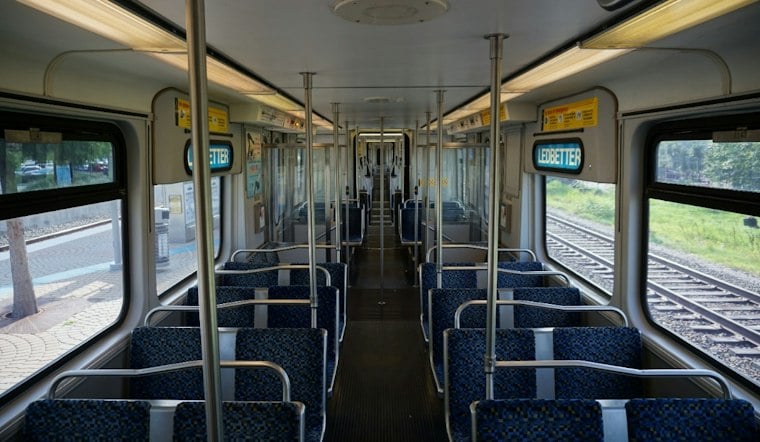
Dallas Area Rapid Transit wants to turn a sprawling parking lot at the southern end of its Red Line into something people can actually live, shop, and work in. The agency has issued a formal call for a development partner to remake 18.3 acres at Westmoreland Station in Oak Cliff, with proposals due December 15.
The Request for Qualifications and Concepts, issued this month, sets up a two-phase process: developers first submit qualifications to be shortlisted, then compete in a second round with full master-plan concepts for a long-term ground lease, according to DART. As Dallas Business Journal reported, DART envisions the site becoming a mixed-use development with retail, housing and possibly office space, with the solicitation going out earlier this month.
The site today holds 672 surface parking spaces, but DART's solicitation requires whoever wins the lease to preserve only about 125 of those spots for transit riders, freeing up the rest of the acreage for new construction. That math, converting roughly 547 spaces of asphalt into potential housing and storefronts, reflects the agency's broader push to replace low-density parking lots with revenue-generating transit-oriented development.
A Walkability Problem Hiding in Plain Sight
Whatever gets built will have to contend with a stark infrastructure gap. A regional analysis by the North Central Texas Council of Governments found that the half-mile area around Westmoreland Station had sidewalk coverage of just 8.46%, compared with 34.55% around Downtown Plano Station. The same study found that 67% of the land within a half-mile of DART's Red and Blue Line stations remains inaccessible to pedestrians trying to walk to transit, underscoring the first-and-last-mile gap that any new development would need to help close.
The redevelopment push doesn't exist in a vacuum. Just weeks earlier, on September 23, the Dallas City Council approved an interlocal collaboration agreement with DART to coordinate transit-oriented development citywide, a move that opens the door for DART to co-invest alongside the city in Tax Increment Reinvestment Zones near transit corridors. City Manager Kimberly Bizor Tolbert said the framework aligns land use and transit in ways meant to boost tax revenue and jobs.
Betting on the Economics of Transit
DART has data to back up the bet. A 25-year study released in November 2025 by the University of North Texas Economic Research Group found that development within a quarter-mile of DART light rail stations generated $18.1 billion in direct economic impact across North Texas, including $1 billion between 2022 and 2024 alone.
Pressure to Show Results
The stakes go beyond one station. Earlier this year, several suburban member cities, including Plano, Irving, and Farmers Branch, weighed municipal votes on whether to leave DART over funding disputes, pointing to dissatisfaction over sales tax contributions versus the transit service they receive.





