

























































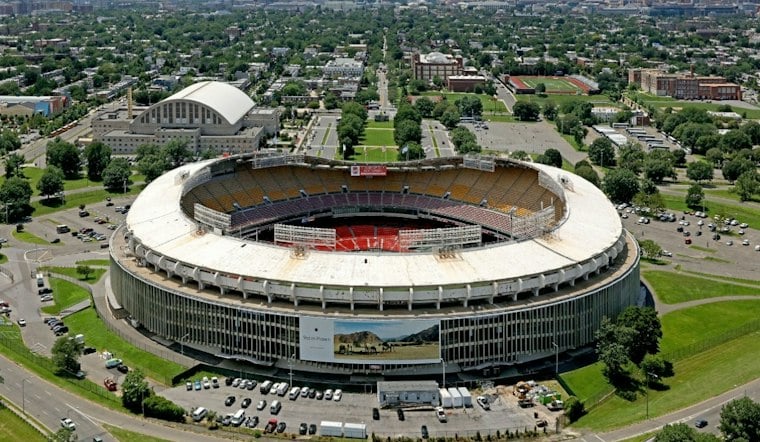
More than 60 people lined up to testify before the D.C. Council on Wednesday over a master plan that would reshape 180 acres along the Anacostia River, and the message from many in the room was blunt: get the parking and displacement pieces right, because the mistakes will be permanent. The hearing centered on Mayor Muriel Bowser's proposal for the former RFK Stadium site, which would pair a new Washington Commanders stadium with thousands of homes, shops and parkland.
As reported by WTOP News, residents and advocacy groups used their testimony to press lawmakers on housing, park space, traffic, parking and the risk of displacement. The D.C. Master Plan proposal would guide development of the 180-acre RFK campus site and would establish development guidelines for the property going forward. Resident Ronald Perkel captured the tension many in the room seemed to feel, telling the council the opportunity is amazing but that the project must be done correctly because today's mistakes will last for decades, per the same report.
A Stadium-Anchored Vision With Thousands of New Homes
The plan is anchored by a planned Commanders stadium, with parks, shops and new housing woven around it, according to The Washington Post. The stadium itself is described as a $3.8 billion, 65,000-seat facility, according to WTOP. On the housing side, the plan calls for 5,500 to 6,500 homes, with at least 30 percent designated as affordable, the Hill Rag reports. At least 30 percent of the site is also planned for parks, public space and greenery, according to The Architect's Newspaper.
The plan acknowledges the risk of displacement from rising rents and property values and recommends monitoring that risk while spreading affordable units across the campus, per the Hill Rag's reporting. That framing echoed testimony from resident Laura Richards, who raised concerns about disruption and displacement in nearby Black neighborhoods, and from Alfred Swailes, who called for stronger protections for Black-owned businesses near the project, according to WTOP's account of the hearing.
Parking Garage Size Becomes a Flashpoint
Much of the pushback centered on parking. Plans for the campus were reduced from three garages to two, and that reduction resulted in one of the remaining garages growing larger, WTOP reported. The final plan assigns about 6,000 parking spaces to two aboveground garages, roughly 3,500 north of the stadium and 2,500 south of it, according to the Hill Rag. The southern structure, known as G1, would hold 2,400 spaces across nine levels, per WTOP's reporting on the garage designs.
The northern garage, G2, is where descriptions diverge. WTOP's design coverage describes G2 as holding 3,600 vehicles across eight levels on 22nd Street NE, while a separate investigation from WUSA9 reports the same 3,600-space garage would stand more than 90 feet tall on the side facing the neighborhood, rising to 110 feet at its elevator towers — roughly nine to 11 stories. WUSA9 also reports the structure would run about 780 feet long and 248 feet deep. Resident Ebony Payne criticized plans for the large garage near Kingman Park, according to WTOP, a complaint that lines up with what WUSA9 describes as nearly two years of organized opposition under the banner “Kingman Park Not Parking.”
The Commanders have defended the Kingman Park site, telling WUSA9 that this site provided the best opportunity to support the balance that is important to the community and fans, after evaluating alternative locations and configurations. The team has also said underground parking there faces obstacles including underground utilities, the Metro line, and the water table and floodplain created by the nearby Anacostia River. The Commanders added that the garages' ground floors are meant to host farmers markets, bike meetups, food festivals and movie screenings on non-stadium days, WUSA9 reported.
Transit Plan Skips a New Metro Station
Beyond the garages, transportation dominated the conversation. The plan does not include a new Metrorail station on the site, according to Greater Greater Washington. Instead, it proposes capacity upgrades to the existing Stadium-Armory station along with a new Gold Line bus connection between RFK and Union Station. The District has allocated $300 million for the Stadium-Armory station work, which is expected to be completed by 2030, per the Hill Rag.```
Greater Greater Washington reports the Stadium-Armory upgrades are projected to boost capacity to about 23,000 passengers per hour, while the Gold Line proposal calls for a maximum of 20 buses in a single post-game hour — enough to carry roughly 2,500 people if each bus holds 115 passengers. That same outlet notes that a third garage, or two larger-than-anticipated garages, will likely come at the expense of housing on the site. At the hearing, resident Ebony Payne advocated for an infill Metro station at Oklahoma Avenue alongside mixed-use development, while Brian Alcorn urged officials to prevent the project from becoming a traffic nightmare for local communities, according to WTOP. Other residents at the hearing expressed concern about traffic generated by the site more broadly, and resident Alexis Pazmino said the proposal places too much emphasis on vehicles, per the same report.
Green Space, Generators and a Push for More Pickleball
Environmental concerns also surfaced during testimony, with residents pushing for limits on gas-powered generation at the RFK site, according to WTOP. On a lighter but still notable note, the plan allocates four pickleball courts, and resident Lana Duran urged planners to include more courts, the outlet reported. The master plan organizes the broader campus into six areas — the stadium, plaza, riverfront, recreation, Kingman Commons and Anacostia Commons — according to The Architect's Newspaper's earlier coverage of the design.
What Happens Next at the Council
The plan was transmitted to the D.C. Council in late September and still requires Council adoption and zoning changes before mixed-use development can proceed, the Hill Rag reports. According to the D.C. Office of Planning, the Council is expected to review the plan and vote on adoption by the end of the year. For now, the council is simply taking testimony, with lawmakers set to weigh Wednesday's hours of public comment against a proposal that Bowser's administration says will finally put the long-vacant RFK site back to use.




