

























































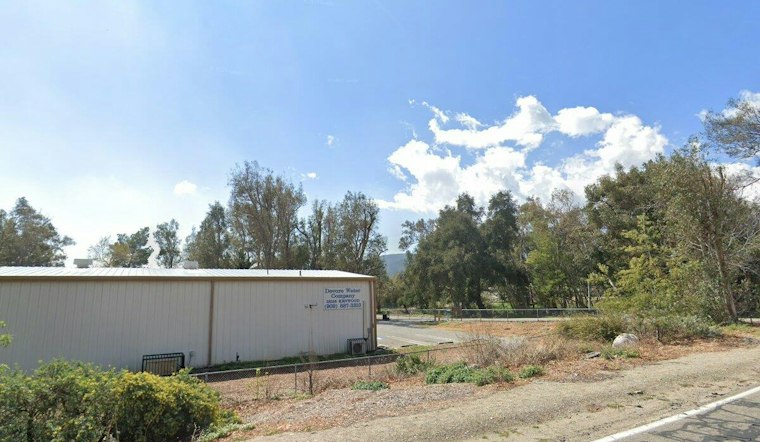
Devore Water Company, a small utility serving the unincorporated community of Devore, has sued San Bernardino City Unified School District. A leaking septic tank at Kimbark Elementary has been raised as a possible cause of nitrate pollution; the source of the conditions remains disputed.
Devore Water Company sued the district amid concerns that pollution may have been caused by a leaking school septic tank, according to the San Bernardino Sun.
Kimbark Elementary is a K–6 environmental science magnet school within San Bernardino City Unified, per the California Department of Education.
Source of Nitrate Conditions Remains Disputed
Mike Thompson, a former board member, has suggested Kimbark's septic tank may be the source of nitrate conditions, according to the Sun.
The source of the nitrate conditions remains disputed.
State Regulators Already Cited the Utility
The State Water Resources Control Board's Division of Drinking Water has cited Devore Water Company for violating the California Safe Drinking Water Act after the utility was unable to provide enough clean, safe water in an emergency because of high nitrate levels, the Sun reported. Devore Water Company submitted a compliance-action plan stating the polluted-water problem would be fixed by July 1, 2026. State regulations under California Code of Regulations Title 22 set the Maximum Contaminant Level for nitrate at 10 milligrams per liter measured as nitrogen, according to the California State Water Resources Control Board.
The health stakes behind the threshold are significant. The state water board warns that elevated nitrate in drinking water impairs red blood cells' ability to carry oxygen and identifies infants and pregnant women as groups of concern. High-nitrate drinking water can cause the condition in extreme cases. State environmental health guidance separately identifies poorly maintained onsite wastewater systems, such as leaking septic tanks, alongside agricultural fertilizers and animal waste, as primary human sources of groundwater nitrate contamination.
Financing a Fix While the Fight Continues
Devore Water Company was founded in 1910, according to its history page. The utility’s annual report shows that shareholders were assessed a $38.25 monthly fee per share to cover debt service.
A Wider Pattern Across Small California Water Systems
Small rural utilities often lack the tax base of large municipal districts to quickly fund costly treatment facilities, a dynamic that has played out in Devore's years-long effort to finance its own nitrate fix.
Local Standards and Other Small-Community Water Projects
San Bernardino County guidance says proper installation, operation and maintenance of onsite wastewater systems are important to prevent groundwater or surface-water contamination, according to the San Bernardino County Division of Environmental Health Services. In a separate community, KVPR, republishing SJV Water, reported that construction began April 22 on a $13.5 million drinking-water system in East Orosi, Tulare County. That report describes a construction milestone, not evidence about the source of Devore’s nitrate conditions.
For now, Kimbark Elementary has returned to regular use by students and staff following a school break, while the septic tank at one end of its athletic field has been raised as a possible source of nitrate pollution.



