

























































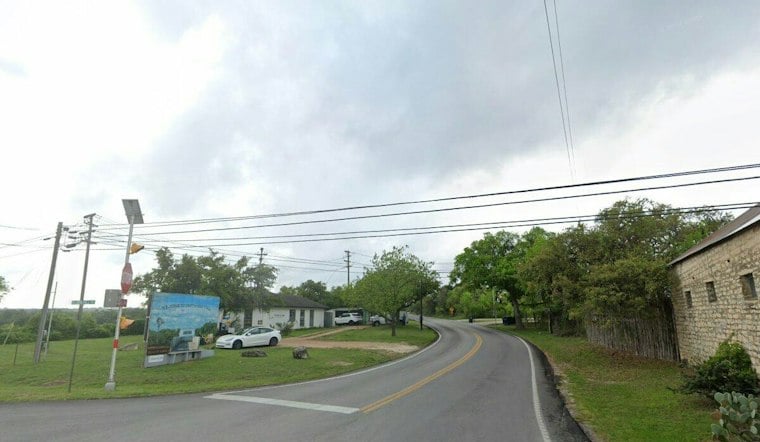
A new home-value tracker covering the Texas Hill Country shows just how far apart the region's housing markets have drifted from each other: the Driftwood ZIP code of 78619 posted a median sale value above $1 million, the highest typical home value anywhere in the Hill Country, while the Sabinal ZIP code of 78881 ranked lowest. Meanwhile, homes in the Leakey ZIP code of 78873 are sitting on the market for a median of more than 400 days, even as homes in Helotes sell in about 40.
A Region Built on Contrasts
The tracker, published by the San Antonio Express-News, pulls together sale-price and home-value data from Redfin and Zillow to map how conditions vary block by block across a region that has seen explosive development over the last decade. The news outlet's reporting found that Hill Country homebuying conditions are decidedly mixed, with prices climbing in some ZIP codes and falling in others even within the same stretch of counties. The map lets users see, ZIP code by ZIP code, where home values, sale prices and time on market are rising or falling.
Of the Hill Country ZIP codes with Zillow sale-value data — 41 in total, according to the tracker — 35 reported a median sale value higher than the statewide figure. Typical home values held relatively steady for most of the region: every ZIP code except one changed by less than 5% between August 2025 and August 2026, the tracker found. The exceptions were dramatic, though. Three ZIP codes covering Briggs, Buchanan Dam and Leakey all more than doubled their median sale value over that same year-long stretch, per the tracker's findings.
Why the Numbers Don't Always Match
Part of the reason the map can show such different pictures for home values versus sale prices comes down to methodology. The median sale price charts rely on Redfin data, while the typical home value charts draw on Zillow's estimates — and the two measure different things. Redfin's figures reflect the median price of homes that actually sold; for smaller geographies such as ZIP codes, Redfin aggregates data over rolling three-month windows. Zillow's typical home value is calculated using both on- and off-market homes, factoring in past sale amounts, tax assessments, square footage and location.
Zillow also limits its typical-value calculation to homes priced between the 35th and 65th percentiles in a market, a method the company says measures typical value and market changes for a given region and housing type. Another key difference: Zillow's home values are seasonally adjusted, while Redfin's home sale prices are not, according to the tracker. For smaller geographies like ZIP codes, Redfin aggregates data over rolling three-month windows specifically to ensure its sample sizes hold up, per Redfin's own methodology.
Where Prices Climbed, Where They Cratered
The ZIP code covering Camp Wood, 78833, posted a median sale value of just $140,000, among the lowest figures the tracker identified. At the other extreme sits Driftwood's 78619, where the seven-figure median sale value made it the standout in a region otherwise dominated by far more modest numbers. Not every ZIP code moved in the same direction, either: the Center Point ZIP code of 78010 reported a median sale value 60% lower than the year before, the steepest drop recorded anywhere in the tracker's dataset.
Those diverging numbers carry real consequences for the people trying to navigate the market. Higher median sale prices tend to benefit people looking to sell, but they also make buying a home less feasible for everyone else — which can push first-time homebuyers to keep renting if prices climb out of reach. The dynamic cuts the other way too: lower typical home values benefit buyers, while higher typical values tend to encourage homeowners to list in the first place.
Renters, Days on Market, and a Slowing Statewide Market
Renting already makes up a significant share of Hill Country housing. In Marble Falls, about 60% of households rent, according to census data cited in the tracker, compared with roughly 25% of households across Hill Country counties as a whole. That gap underscores how uneven affordability has become even within a single region.
Time on market tells its own story of imbalance. Helotes, in ZIP code 78023, had a median of about 40 days on market — brisk by almost any standard. Leakey's 78873, by contrast, had a median exceeding 400 days. The Briggs ZIP code of 78608 saw its own dramatic swing, dropping from 374 days on market in 2025 to just 69 days in 2026. Still, the tracker found that only about half of Hill Country ZIP codes with data available saw homes move faster in 2026 than they had the year before.
The shifting local numbers come amid signs of a cooling statewide market. Texas home sales rose 2.2% year over year in July, according to the Texas Real Estate Research Center, even as the statewide median sales price held flat at $339,000 and statewide prices dipped 0.2% from a year earlier. Active listings statewide reached roughly 156,000 by the end of July, up 2.2% from June, while homes sold that month spent an average of 63 days on the market, slightly longer than the year before.
San Antonio's own market reflected some of that same softening. Active inventory in the city rose 4.4% year over year in July, pushing months' supply up to 6.2, while prices there declined 1.1%, an improvement from June's 1.7% drop, per the same Texas Real Estate Research Center report. For Hill Country homeowners and buyers alike, the tracker suggests, the big-picture slowdown is landing very differently depending on which ZIP code they call home.





