

























































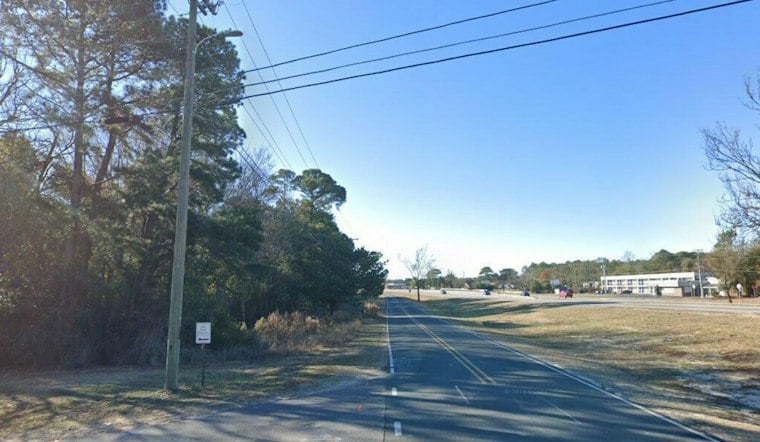
An e-bike rider died at the scene Monday evening, October 12, 2026, after colliding with an SUV near the intersection of Gillespie Street and Vinland Drive in Fayetteville, just before 8 p.m. The SUV had been traveling south on Gillespie Street when its driver tried to avoid the e-bike, which was heading in the opposite direction, before the two collided.
The SUV driver remained at the scene following the crash, according to ABC11 News. Authorities have not released the victim's identity, and no charges have been filed in connection with the crash as of this writing. The collision remains under investigation, with the North Carolina State Highway Patrol leading the effort and the Cumberland County Sheriff's Office assisting.
Why State Troopers, Not City Police, Are Running the Investigation
The Highway Patrol's lead role reflects standard state procedure: troopers assume primary crash investigation authority on state highways and unincorporated roadways, coordinating with county sheriff's offices when a collision falls outside a municipal police department's beat, according to CityView NC. Gillespie Street, also known as U.S. Highway 301, is a major arterial corridor through Fayetteville. Urban segments of the road, including near the Southern Avenue intersection, carry a posted speed limit of 35 mph, and the corridor has seen fatal collisions before — Fayetteville police investigated a prior fatal crash along the same stretch in October 2025, per the City of Fayetteville.
Nighttime visibility is a central variable in any crash reconstruction involving a bicycle or e-bike after dark. Under North Carolina General Statute § 20-129(e), any bicycle or e-bike ridden on a public street at night must carry a front lamp visible from at least 300 feet and either a rear red reflector or rear light visible from the same distance, or the rider must wear reflective clothing meeting that visibility threshold, per the Town of Cary. Whether the e-bike involved in Sunday's crash met those requirements has not been disclosed.
How North Carolina Classifies E-Bikes Under Current Law
Under current North Carolina law, electric-assisted bicycles with motor outputs of 750 watts or less and top motor speeds of 20 mph are legally treated as bicycles, which keeps riders subject to standard traffic laws while exempting them from DMV registration, license plates, and driver's license requirements, according to North Carolina General Statute § 20-4.01(7a) as explained by UNC School of Government. That single-tier system is set to change on December 1, when Session Law 2026-46 takes effect, introducing a three-class structure based on motor-assist speeds and requiring federal safety standard helmets for Class 3 riders under 18, per the same source.
North Carolina's legal landscape adds another layer of consequence to crashes like this one. The state is among just four U.S. jurisdictions that still enforce pure contributory negligence, a doctrine that bars an injured party or a deceased victim's estate from recovering civil damages if the victim contributed to the crash in any degree, according to WRAL.
A Pattern of Serious Crashes on Fayetteville Roads
Monday's crash adds to a string of serious traffic fatalities the city has logged this year, including a motorcyclist killed hitting a bus last month. Fayetteville police launched Operation Speed Kills 2026 in February after investigators found excessive speed was the primary factor in over 60% of the 28 fatal crashes investigated during the previous year.
Cyclists and e-bike riders face risks on North Carolina roads.





