

























































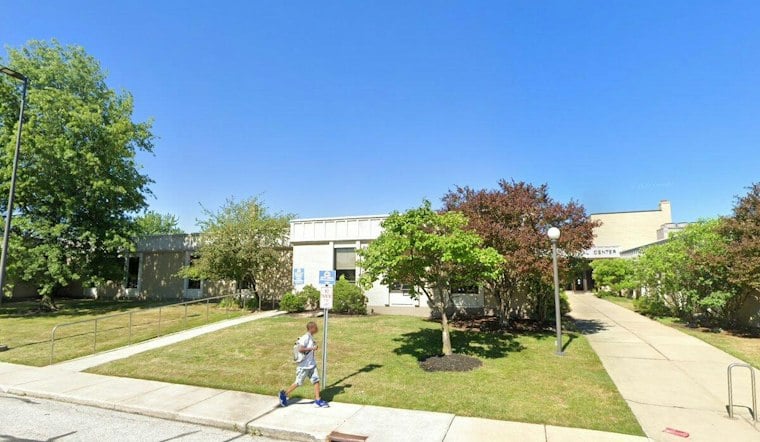
Euclid City Council is expected to vote Monday on a package that would authorize professional deer culling across the city, ban residents from intentionally feeding deer, and create new penalties for anyone who interferes with city-approved population-control efforts. The vote comes as the council meets at 7 p.m. at the Euclid Municipal Center, with a proposed $130,000 contract for professional deer-management services on the table.
The legislation would authorize a contract with AD Wildlife Solutions to carry out the culling, according to Cleveland.com. The proposal follows a council resolution from September that asked the city administration to develop a deer-management plan, after Councilman John Wojtila introduced the measure during the council's Sept. 8 meeting, according to NewsBreak.
What the Proposal Would Allow
Under the plan, culling would be permitted on city-owned property as well as on private properties larger than two acres, or combined properties exceeding two acres, per Cleveland.com's report. Culling on private land would require the property owner's permission, plus sign-off from both Euclid police and the Ohio Department of Natural Resources. The legislation would also amend city firearms regulations to allow firearms to be used as part of an ODNR-approved deer-management plan, while continuing to prohibit general hunting within Euclid, carving out an exception only for trained personnel or licensed contractors working under the city-authorized program.
ODNR has indicated it would issue a permit allowing Euclid to cull up to 200 deer during the 2026-27 season, the outlet reported. City officials reviewed deer-related incidents reported to the police and public-service departments and consulted ODNR's Division of Wildlife on population-management strategies before bringing the proposal forward.
New Penalties for Feeding and Interference
The proposed ordinance would prohibit residents from intentionally feeding deer. A first offense of leaving out deer feed could draw a warning, while a repeat violation could bring a minor misdemeanor charge, the same report states. Separately, interfering with lawful deer-culling operations would become a first-degree misdemeanor, with interference defined to include blocking access, creating disturbances, or otherwise attempting to disrupt the culling activity.
Euclid's push for a formal program is not new. The idea of creating a deer-management plan in the city dates back to at least 2021, when the council held five committee meetings on the subject, according to the same NewsBreak report. City officials had previously done substantial research on a plan but could not reach a consensus when it came time to vote on finalizing it, the outlet noted.
How Neighboring Suburbs Are Handling Their Herds
Euclid would join a growing list of Cleveland-area communities moving on deer population control. North Olmsted has run its own culling effort for roughly a decade, with its 2024 program removing 90 deer, according to Cleveland.com. That city's program uses trained police marksmen operating on both city-owned and private properties, with private-property work done by request and with the owner's permission. North Olmsted officials have said deer-vehicle accidents have decreased over the life of the project.
Fairview Park is also preparing a future culling program to thin its white-tailed deer herd, with the city's police department reporting 49 deer-related vehicle accidents and 332 additional calls to homes involving deer over the past five years. Officials there said the system would rely on professional contractors with police officers detailed to ensure operations stay within the law, and that the program likely would not begin immediately. “This won't be implemented tomorrow,” one official said. “It'll probably start within the next year — and it may be a little later.”
Cleveland Heights has described an even larger herd problem, with officials there saying the city has about 500 deer, six times more than what is considered sustainable, and that the population is growing roughly 30% a year, according to Cleveland19. Cleveland Heights expects its own culling program to cost in the six figures and has planned to consult neighboring South Euclid, Shaker Heights and Beachwood, all of which already run culling programs, with a Cleveland Heights program possibly beginning in 2027 once funding is allocated.
The State's Role in Approving Culls
Any deer-damage-control permit in Ohio runs through the state's Division of Wildlife, which may issue permits under specific conditions, though applying does not guarantee one will be granted even if damage is occurring, according to the Ohio Department of Natural Resources. The state agency has also noted that urban deer regularly see and hear people and are not always inclined to flee at the sight of one, a factor that can complicate population control in built-up suburbs like Euclid.





