

























































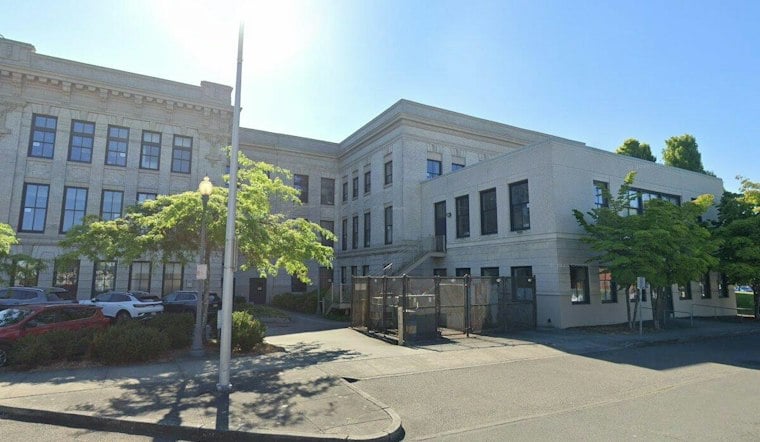
Everett quietly redrew its map of so-called no sit, no lie zones last Thursday, adding two new buffer areas in the north end of the city while scrapping one near Rockefeller Avenue. The new zones ban sitting or lying on public property around 1715 Broadway and 2625 Colby Avenue. Subject to exceptions in the code, a person may face a misdemeanor charge only after a law-enforcement officer gives prior notice and the person refuses or intentionally fails to stop the prohibited conduct; the charge can carry up to 90 days in jail and fines as high as $500.
The city cited roughly 159 calls for service at the Broadway location over the prior six months, according to HeraldNet.com, which reported that those calls most commonly involved suspicious activity, nuisance complaints and trespassing. Each new buffer zone spans about two blocks around its center point. The Broadway zone runs from 15th Street to 20th Street and from Oakes Avenue to Virginia Avenue, while the Colby Avenue zone stretches from 24th Street to Hewitt Avenue and from Rucker Avenue to Oakes Avenue.
What Triggered the Colby Avenue Zone
City spokesperson Simone Tarver told the outlet the city had received reports of encampments, garbage and drug use near the Colby Avenue location, which sits a couple of blocks west of the now-removed Rockefeller Avenue zone. Notably, the new zone's borders encompass Everett High School's campus and the Everett Public Library's main branch, placing both inside the restricted area.
The Rockefeller Avenue zone, by contrast, had been centered around a shelter that is now closed. Tarver was clear that the city did not simply relocate that zone to Colby Avenue, saying the two carry distinct designations under the ordinance. Tarver added that each zone was established because of documented public health and safety concerns specific to its location, describing buffer zones broadly as one tool the city can use to address those concerns while continuing to support people in need.
How the Ordinance Has Evolved Since 2021
Everett's City Council approved the city's first no sit, no lie zone back in 2021, a single 10-block area east of Broadway near Everett Station. Two years later, in 2023, the council voted to let the mayor create buffer zones administratively, as long as an area recorded at least six qualifying events in six months. Those qualifying events can include trespassing, theft, harassment, assault, unlawful transit conduct, offensive littering, drug offenses, obstructing streets, public disturbances or encampments.
That same 2023 expansion also barred anyone from handing out food, water, supplies or services to people sitting or lying in a buffer zone without a permit, a restriction that still applies under the current ordinance. The Everett Municipal Code requires the city to maintain maps of these service-facility buffer zones, post them online, provide community outreach and update the maps at least every six months.
Enforcement Numbers and What Comes Next
The buffer zone law had been set to expire at the end of 2025, but the city council voted last November to extend it through the end of 2027. In the ordinance's first two years, city staff say police issued 156 warnings and 15 criminal charges against 11 individuals for buffer zone violations; one person was convicted of a buffer zone charge after pleading guilty to that and other charges. Everett officials say they continue to pair enforcement with outreach and services inside the zones.
The city last added a buffer zone in December 2025. Thursday's changes add two zones and remove another. Everett's public works department plans to install signage for the two new zones by the end of October, per Tarver, and maps of the city's current buffer zones remain available online.





