

























































Swimmers gathered in Ann Arbor on Sunday for the second annual Michigan Pool Swim, a fundraiser for cancer research at the University of Michigan’s Rogel Cancer Center. Among those poolside was Emily Brunemann Klueh, a former Michigan All-American diagnosed in November 2024, at age 37, with stage 4 metastatic breast cancer, according to ClickOnDetroit. MLive reported that the disease had spread to her lymph nodes and the lining of her lungs.
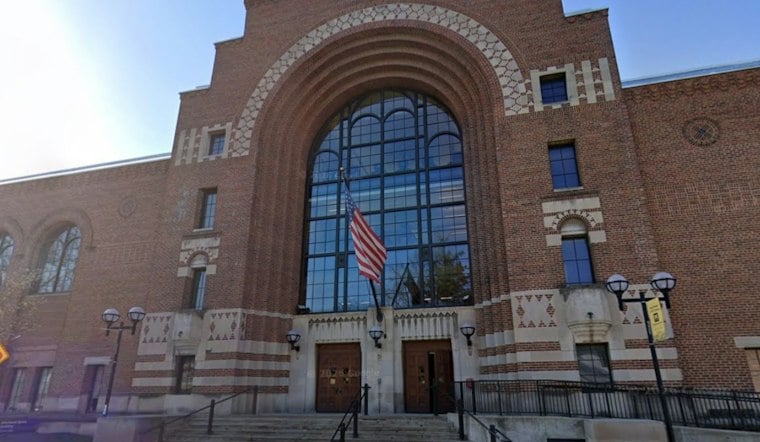
The second annual Michigan Pool Swim was organized by Swim Across America at the University of Michigan to benefit the Rogel Cancer Center, according to ClickOnDetroit. The event took place Sunday at the Donald B. Canham Natatorium, MLive reported. Organizers set a $30,000 fundraising goal, according to ClickOnDetroit.
A local fundraiser for cancer research
Klueh was a five-time All-American at Michigan, the 2008 Big Ten Women's Swimmer of the Year, and the 2008 NCAA champion in the 1,650-meter freestyle, as noted by ClickOnDetroit. She went on to swim for the U.S. National Team for 10 years and now manages psychological services for USA Swimming's National and Junior National Team athletes as a licensed mental health and sport performance clinician.
At diagnosis, a mammogram and ultrasound showed eight masses and multiple suspicious lymph nodes, according to Swim Across America. ClickOnDetroit reported that Klueh has undergone five surgeries and responded well to treatment.
Breast cancer and age
For broader age context, female breast cancer is most frequently diagnosed among women ages 65–74, according to the National Cancer Institute’s SEER Cancer Stat Facts. That finding does not establish how common breast cancer is among Michigan women under 40 or compare Michigan’s rate with the national rate.
The effort to keep the Michigan chapter going
Two years before this year’s swim, Swim Across America was prepared to pull its Michigan chapter if fundraising did not reach $100,000, according to ClickOnDetroit. ClickOnDetroit reported that more than $90,000 was raised for the Rogel Cancer Center last year alone. Those figures show how local fundraising helped sustain the chapter.
The idea for bringing the swim to Ann Arbor's campus came from Lucas Caswell, an Ann Arbor native who swims for Washington University in St. Louis and serves as a Swim Across America college ambassador, according to Swim Across America. Caswell proposed holding the event at the University of Michigan as a way to fundraise and engage the local community, the same source states.
Fundraising totals vary by source
Swim Across America also holds the annual Motor City Mile in the Detroit River at Belle Isle; its 2026 event was held Friday, July 10. Reports differ on the events’ fundraising totals: ClickOnDetroit said the Motor City Mile and Michigan Pool Swim raised $152,000 combined this year and that the Motor City Mile has raised more than $550,000 since 2019. Swim Across America’s event page puts the Motor City Mile’s total since 2019 at more than $600,000. CBS News Detroit reported that the Motor City Mile raised about $130,000 this year. The organization says the event’s funds have helped early-career Rogel Cancer Center investigators secure more than $16 million in additional research funding.
Research supported by the fundraising
Since 2019, six Rogel Cancer Center researchers have received Swim Across America grants, according to MLive. The outlet reported that 2025 recipient Dr. Matthew Iyer is studying blood samples from pancreatic cancer patients and healthy family members to identify tumor-related RNA. Nationally, SwimSwam reports that Swim Across America has raised more than $150 million for cancer research since its 1987 founding and awarded more than $10 million in grants for 2025–26, supporting research, detection, education and survivorship programs. The organization is expanding its 2026 schedule to 27 chapters nationwide, including new programs in Martha’s Vineyard and Phoenix, SwimSwam reported.
What the grants and national data show
Swim Across America says local swim proceeds go to a research or community hospital beneficiary, which recommends early-stage projects and patient programs. At Rogel, the documented grants include support for Dr. Matthew Iyer’s study of blood samples from pancreatic cancer patients and healthy family members to identify tumor-related RNA, as reported above. The example shows how a grant can support a specific research project; it does not establish the outcome of that research. For broader context, the National Cancer Institute’s SEER Cancer Stat Facts says female breast cancer is most frequently diagnosed among women ages 65–74 and that age-adjusted rates of new cases rose an average of 0.7% annually from 2014 to 2023. Those national figures do not establish a trend among Michigan women under 40. The U.S. Preventive Services Task Force recommends screening every other year for women ages 40 through 74; this population-level guidance does not explain or assess an individual diagnosis.
Swim Across America says its funding has supported research and clinical trials associated with FDA-approved cancer immunotherapies, according to the organization’s materials. In Baltimore, the chapter has raised more than $3 million over eight years for a dedicated lab at Johns Hopkins, according to Johns Hopkins Medicine.
Klueh’s connection to the cause
Klueh told ClickOnDetroit that cancer research matters to patients now as well as future generations. She also spoke about its importance to her family.





