

























































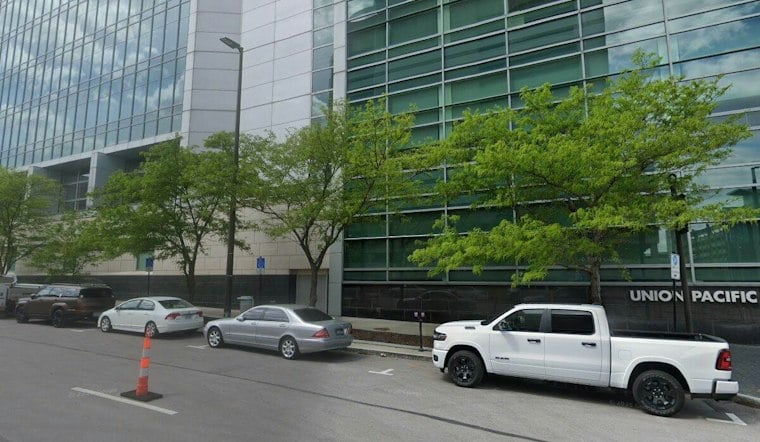
A former Union Pacific attorney who once led the railroad's legal defense against worker safety claims is now suing the company himself, alleging supervisors retaliated against him after he raised safety concerns of his own. Ryan Wilkins filed a federal whistleblower complaint against Union Pacific, claiming he was stripped of responsibilities and passed over for promotions once he started speaking up internally.
Wilkins' case stands out because of where he sat inside the company. As a Union Pacific attorney, he led the internal legal team defending the railroad against claims brought under the Federal Railroad Safety Act, according to the research dossier. The lawsuit, Wilkins v. Union Pacific Railroad Co., was filed in the U.S. District Court for the District of Nebraska under case number 8:22-cv-00239 and has been working its way through federal court since 2022. Wilkins recently went public about the case on social media, and KMTV 3 News Now spoke with him and his attorney about the allegations.
From Defending the Railroad to Suing It
According to KMTV's report, Wilkins says Union Pacific had an industry-leading public safety record when he first joined the company, but that record declined after the railroad adopted a lean operating strategy — a reference to Precision Scheduled Railroading, which the outlet reports Union Pacific adopted in late 2018. The station's report states that the cost-cutting approach eliminated thousands of jobs companywide.
Wilkins told the station he raised safety concerns while working for Union Pacific and alleges that supervisors retaliated by stripping him of responsibilities and denying him promotions. Because of his former role as a Union Pacific attorney, he said he was prohibited from citing specific examples from the period in question, so he instead pointed to other accidents and disasters already in the public record, per the same account. Wilkins ultimately resigned before his job could be eliminated, the station reports.
Union Pacific's Response
Union Pacific has denied that Wilkins was discriminated against at any time, telling KMTV that he voluntarily left the company for another job opportunity and that the railroad would share the facts in court. The company also said employee safety and well-being remains its top priority, pointing to what it described as its safest year on record the previous year, with best-ever full-year personal injury and derailment incident rates. Union Pacific said it encourages employees to raise safety concerns and does not tolerate retaliation against those who do.
Those claims sit alongside a more complicated regulatory history. In a separate August 2025 action, OSHA found that Union Pacific had fired an engineer after he reported a job-related injury and ordered his reinstatement. Federal protections under the Federal Railroad Safety Act, codified at 49 U.S.C. § 20109, bar railroads from retaliating against workers who report safety hazards or injuries, with remedies that can include reinstatement, back pay, compensatory damages, and punitive damages up to $250,000, according to the Occupational Safety and Health Administration. Complainants are generally required to file an initial retaliation complaint with OSHA within 180 days of the alleged adverse action before pursuing relief in federal court.
Industry-Wide Staffing Cuts Under Scrutiny
Wilkins' allegations arrive amid broader industry data on how Precision Scheduled Railroading has reshaped freight operations. Mechanical department staffing dedicated to rail car and locomotive inspections across major Class I freight railroads fell by more than 41% between 2015 and 2024 following widespread adoption of the lean model, according to a report cited by the Dallas Morning News. A 2026 study published in the International Journal of Physical Distribution & Logistics Management examined PSR and safety outcomes using data from 2011 to 2024.
Union Pacific, headquartered in Omaha, operates more than 30,000 route miles across 23 western states, employs over 28,000 workers, and generated approximately $24.5 billion in revenue in 2025, according to Fidelity International.
Legal Precedent for Railroad Whistleblowers
Courts have previously imposed significant penalties on other Class I railroads in similar retaliation cases. In 2020, a federal court ordered BNSF Railway to pay more than $1.74 million in total damages, including punitive and emotional distress awards, after finding the railroad retaliated against an employee who reported track defects, according to OSHA's enforcement records. That case offers a benchmark for the kind of exposure Union Pacific could face if Wilkins' claims are proven in court.
For now, Wilkins has said he does not want to make another public statement while the case continues through federal proceedings.




