

























































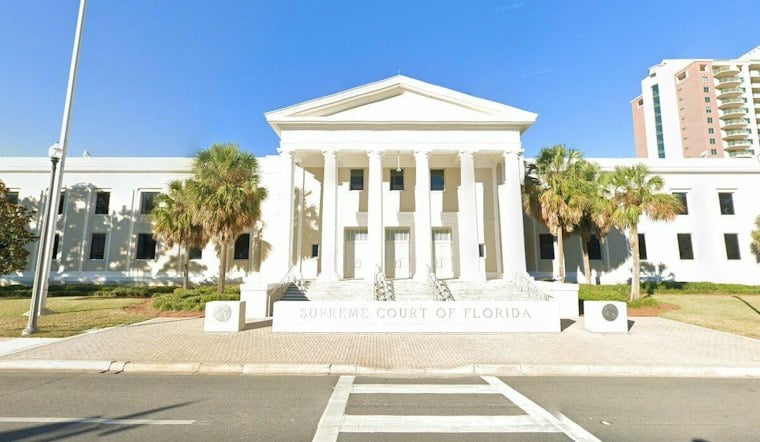
Henry Lee Jones’s Florida murder conviction and death sentence have been set aside, and the case is returning to Brevard County for a new trial. Jones, now 63, remains under two death sentences in Tennessee. The ruling and its procedural effect are described in the Tampa Free Press report.
The DNA evidence at the center of the appeal
Carlos Perez, 19, was found dead in a Melbourne Super 8 motel room in August 2003, bound and wrapped in a comforter. At trial, prosecutors argued Jones had assaulted and strangled him. DNA recovered from Perez’s body belonged to Deborah Williams Bello, who testified that she did not know Perez. The state offered the possibility that the DNA had moved from bedding that had not been washed between guests, according to the Tampa Free Press.
The same report says Florida Department of Law Enforcement records contained notes from analyst Ashley Garner and supervisor Harry Hopkins cautioning prosecutor Bonnie Rinck in 2012 that transfer from bedding was unlikely and that the sample more likely reflected direct contact. In a 2013 deposition, Jones’s public defender asked Rinck about her discussions with the agency. Rinck referred to comforters not being cleaned, but did not disclose the analysts’ assessment, the report says.
The majority concluded that the defense could have used the undisclosed records to challenge prosecution witnesses, contest the state’s account of the DNA, and question Bello about possible contact with Perez. Chief Justice Couriel wrote for the court; Justices Jorge Labarga, Carlos Muñiz, Jamie Grosshans, and Renatha Francis joined the majority, according to the report.
The dissent and the other evidence
Justice Barrios, joined by Justice Tanenbaum, disagreed that the withheld information warranted a new trial. As summarized by the Tampa Free Press, Barrios viewed the DNA-transfer issue as having limited significance alongside the state’s other evidence and its reliance on similarities to the Tennessee killings.
That evidence included 39 shoe prints on a motel bathroom floor that prosecutors linked to shoes found in Jones’s car, a pubic hair on the carpet that matched his mitochondrial DNA profile, cleaning supplies in his vehicle, bleach stains on his clothing, and motel towels and pillowcases, the report says.
Separate Tennessee convictions remain in place
The Tennessee cases involved Clarence and Lillian James, who were killed at their Bartlett home four days before Perez’s death. Tennessee prosecutors were allowed to introduce evidence about the Florida killing at Jones’s 2009 trial, but the Tennessee Supreme Court overturned those convictions in 2014 over that evidence. Jones was convicted again in 2015, and the state high court upheld the death sentences in 2019, according to The Commercial Appeal and localmemphis.com.
Jones represented himself at his Florida trial in Titusville. The jury convicted him and recommended death after 28 minutes of deliberation; in May 2014, Circuit Judge John M. Griesbaum imposed the sentence, according to the Tampa Free Press and WFTV. Jones has maintained that he was framed in Perez’s killing, the Tampa Free Press report says.
The Florida decision sends the case back to the circuit court for further proceedings. Brevard County prosecutors will determine whether to retry Jones; the ruling does not affect his Tennessee sentences, according to the Tampa Free Press.




