

























































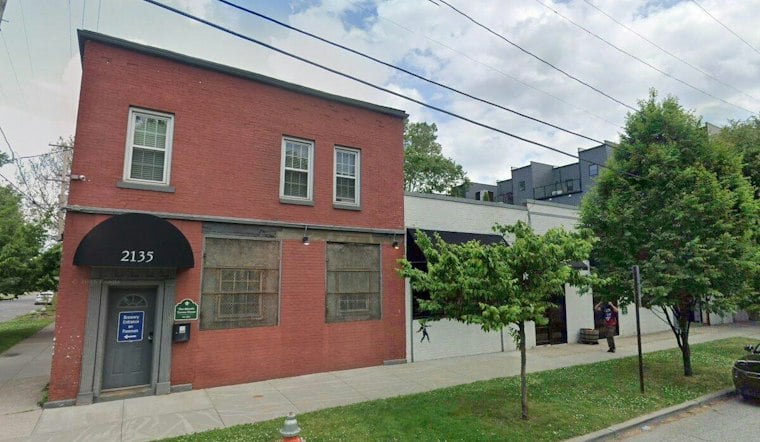
Forest City Brewery wants to sell the building that houses its taproom on Cleveland's Duck Island peninsula, but the beer isn't going anywhere. The co-owners of the small business say they're asking $2.4 million for the 2135 Columbus Road property while planning to stay put as long-term tenants.
The plan, first reported by Cleveland.com, comes straight from co-owner Jay DeMagall, who said the goal is to cash out on the real estate without disrupting the brewery itself. “We want to sell the building and keep the brewery there,” DeMagall said, according to the same report. He described the business as thriving, calling it the best it has ever done, even as he and his fellow owners — Matt Mapus and brewer Matt Smedley, who has worked at Forest City since 2020 — line up angel investors to help steer the next chapter.
DeMagall, who stepped down from his general manager post last year to become the company's buildings and grounds manager, told Cleveland.com that he and his co-owners have weighed selling the property for three years, including one deal that fell through before this listing went up. Under the current plan, a new owner would take over the real estate while Forest City signs a long-term lease to keep brewing on-site. DeMagall also floated the idea that new ownership could fund infrastructure upgrades, including a possible rooftop deck.
A 13,000-Square-Foot Footprint With a Built-In Apartment
Commercial listings for the property describe a 13,000-square-foot facility spread across two buildings on a 0.6-acre lot, according to Commercial Real Estate filings. The site includes a kitchen, brew area, three bars, and a 1,500-square-foot two-bedroom apartment that could serve as a short-term rental — details that help explain the scale of the $2.4 million ask for a property that's equal parts working brewery and real estate asset.
Part of that value traces back to the site's unusual history. DeMagall believes Forest City sits atop the oldest operating beer garden site in the country, a claim rooted in the property's 1865 origins as the Atlantic Beer Garden, founded by an immigrant family from Alsace, France. The outdoor garden still features three original shade trees planted during its 19th-century founding, according to FreshWater Cleveland. A company bought the land in 1915 and built a timber-frame warehouse around the original tavern house, a structure that still anchors the site today. Forest City's current owners purchased the building and launched the brewery there in 2014.
The Forest City Brewery name itself has deeper Cleveland roots than the Duck Island address suggests. A separate brewing company by the same name opened in 1904 at East 69th Street and Union Avenue, becoming the only local brewery structure ever placed on the National Register of Historic Places before it was demolished in 2012, per Cleveland Historical. That original facility survived Prohibition by producing near-beer before Carling Brewing Co. acquired it in 1944.
Community Hub Status, With a Few Caveats
Located in Duck Island, the small enclave that bridges the Ohio City and Tremont neighborhoods, Forest City has built its identity around community programming — hosting live music, trivia, story nights, and yoga alongside its beer sales. The brewery's packed calendar includes a neighborhood clambake on October 17 and its 11th annual pumpkin-carving night on October 25. That clambake is actually Celebrate Tremont, the Tremont West Development Corporation's signature annual fundraiser, catered by local restaurant Fat Cats, according to the Tremont West Development Corporation, which has run neighborhood development initiatives and block clubs since 1979.
The venue's event footprint extends beyond its taproom, too. The brewery complex includes the 5,000-square-foot Waldorf Beer Hall, a vintage private event space that holds up to 100 people and lists full venue buyouts as high as $10,000, per EventUp. Just weeks before the listing went live, Forest City served as the primary venue hub for the 19th annual Cleveland Comedy Festival, running from September 30 to October 3 and featuring more than 30 comedians including former SNL cast member Chris Redd, as Hoodline reported on the festival's milestone run.
Not every policy at Forest City has been universally welcomed. In September 2024, the brewery enacted an adults-only rule banning children under 16 from the taproom and beer hall, a move DeMagall attributed to safety concerns over unsupervised toddlers, according to Scary Mommy. The policy set Forest City apart from more family-friendly taprooms in neighboring Ohio City.
Why Breweries Are Selling the Dirt, Not the Beer
Forest City's sell-and-lease-back approach reflects a broader strategy among hospitality businesses looking to unlock the value tied up in their real estate without walking away from daily operations. It's a bet that makes more sense in Ohio than in much of the country right now. Nationally, craft brewery closures outpaced openings for the first time since 2005, with 529 closures against 430 openings in 2024, according to data cited by The Spirits Business. Ohio bucked that trend, adding 46 new craft breweries that same year.
The state's brewing industry carries real economic weight behind that resilience. Ohio's 442 craft breweries generated $1.29 billion in economic output and supported 12,255 jobs in 2024, according to a report from the Ohio Craft Brewers Association. Nationally, independent craft breweries contributed $71.8 billion to the U.S. economy in 2025 and supported more than 415,000 jobs across breweries, wholesalers, and taprooms, per the Brewers Association. Against that backdrop, Forest City's bet is that a new landlord can afford to invest in a building this old and this storied, while the brewery itself keeps pouring pints and hosting pumpkin carvings without missing a beat.





