

























































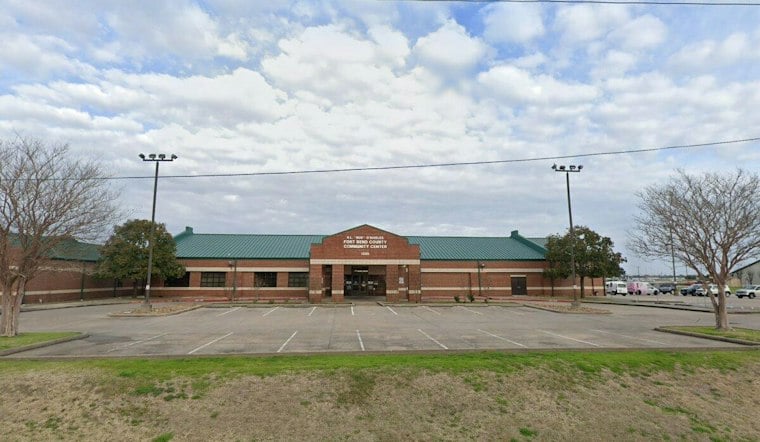
Homebound seniors in Fort Bend and Waller counties are set to continue receiving seven meals a week through the end of 2026. Fort Bend Seniors Meals on Wheels had planned to reduce deliveries to five meals weekly starting Jan. 1, 2026, after federal Older Americans Act funding fell and operating costs rose. The nonprofit says community support allowed it to postpone the change while it reassesses its finances. Fort Bend Seniors said the planned reduction would have affected more than 1,000 people.
A short-term reprieve, not a permanent funding fix
Businesses, foundations, government partners and individual donors contributed to keeping the seven-meal schedule in place, the nonprofit said, naming H-E-B and NRG among its supporters and noting that Waller County increased its contribution. The organization operates on an annual budget of nearly $4.5 million. Its announcement describes the extension as time to reevaluate finances—not a resolution of the funding pressure.
The size of the federal funding shortfall has been reported in different ways, so a single figure should not be treated as settled here. In April 2025, Houston Public Media reported that the organization expected about $1.6 million through the Older Americans Act, which it said represented roughly 37% of its budget. The nonprofit has said federal support remains below earlier levels as food and fuel costs put pressure on its operations.
How the meal service works—and who the law is meant to reach
The delivery schedule is designed to cover the week: clients receive hot meals Monday through Wednesday, then one hot meal and three frozen meals on Thursday for the following days, according to myneighborhoodnews.com. The deliveries also provide regular contact, but the immediate service commitment is food: seven meals per week rather than the five that had been planned.
The Older Americans Act’s Title III services are available to people aged 60 and older, with resources targeted toward those facing the greatest economic or social need; means testing is prohibited, according to a Congressional Research Service report. That framework provides context for the program’s reach, but it does not establish how many local residents qualify for, seek or receive Fort Bend Seniors meals.
Local administration also matters. The Houston-Galveston Area Council’s Area Agency on Aging says it contracts with service providers located in the areas they serve so services can be tailored to local needs. This describes the regional service structure; it does not, by itself, specify the amount of funding allocated to Fort Bend Seniors.
Federal budget decisions remain ahead
The national funding backdrop remains uncertain. Meals on Wheels America and the National Association of Nutrition and Aging Services Programs said the Older Americans Act Nutrition Program had experienced a funding cut in fiscal year 2024 after more than a decade without one, followed by flat funding. In a survey cited in their joint statement, 82% of respondents said recent increases in food and gas prices had affected their nutrition programs. The organizations said providers were reporting pressures including volunteer losses, longer waitlists and fewer meals; those national findings do not measure conditions at Fort Bend Seniors specifically. Their statement also described a proposed $3 million increase in the fiscal year 2027 nutrition-program allocation, from $1.059 billion to $1.062 billion, as insufficient to keep up with costs.
That proposed increase is not the same as enacted funding. The Congressional Research Service says full-year fiscal year 2027 Labor, Health and Human Services, and Education appropriations have not been enacted and that funding is being provided temporarily through a continuing resolution. Fort Bend Seniors says it plans to maintain seven weekly meals through 2026 and continue outreach, while its longer-term service level remains tied to finances it is still evaluating.





