

























































For more than 20 years, Blue Agave Mexican Food in Federal Hill handed out chips and salsa to every table that walked through its doors. Not anymore. The restaurant now charges $7 for the snack, a change that has split its customer base between shrugging acceptance and online outrage.
The shift became public after Blue Agave posted a September social media video showing the manual labor behind slicing fresh produce and frying chips in-house, as reported by The Baltimore Banner. The video drew more than 700 comments, according to the same report. Where the restaurant previously served three 3-ounce ramekins of salsa, it now serves a bowl of chips twice as large as before alongside two 7-ounce containers of salsa, per the Banner's reporting.
Blue Agave has framed the move as a menu upgrade rather than a cost-cutting measure, describing it as an improved offering, the Banner reports. The restaurant has also said the change reduced food waste by charging for the snack. Tess Miller, speaking to the Banner, said customers have been largely understanding of the change.
A Columbia Restaurant Charges $6 for Bread Instead of Giving It Away
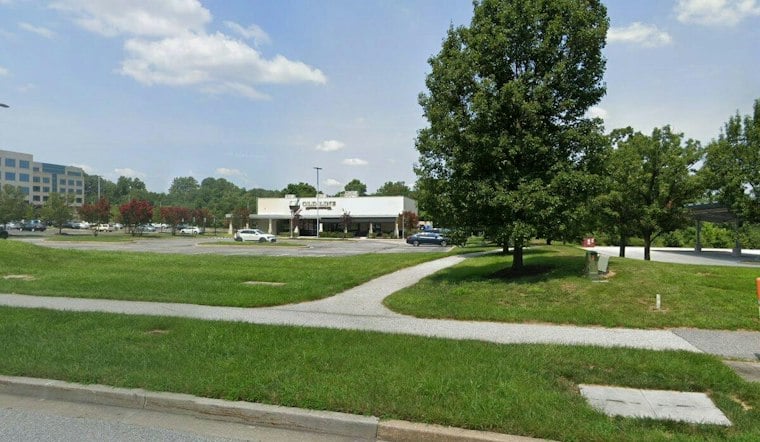
Blue Agave is not alone. In Columbia, Old Line Kitchen and Wine Bar estimated that giving away free bread would cost $45,000 per year once labor is factored in, the Banner's reporting shows. The restaurant now charges $6 for house-made focaccia and whipped butter. Co-owner Corey Laub told the outlet that paid bread creates a better experience for both guests and the restaurant.
Not every Baltimore-area restaurant is following suit. Papi's Tacos, which operates locations in Hampden, Fells Point, Towson and Ocean City, still gives customers one free basket of chips and salsa, according to the same report, though it charges for refills. Charlie Gjerde, who has worked in the restaurant industry since 1991, was cited alongside that detail in the Banner's coverage. Old Line Kitchen, meanwhile, has leaned into other value-add strategies, offering weekly discounts including all-day happy hour on Mondays and discounted burgers on Tuesdays, and it plans to launch a line of jams and jellies called Old Line Provisions.
The Numbers Behind the Squeeze
The changes are landing amid what the Banner describes as rising food, labor and other costs across the restaurant industry, with foot traffic also dropping amid broader economic worries. Chad Moutray, chief economist for the National Restaurant Association, was cited in that reporting on the pressures facing operators. Full-service restaurants now carry a median profit margin of just 2.8%, down from 4% before the pandemic, according to the Banner's sourcing, and a National Restaurant Association survey found that around one-third of restaurant operators were not profitable in the first half of 2026.
Those local numbers track with broader industry data. The National Restaurant Association's 2026 State of the Restaurant Industry report, covered separately by the National Restaurant Association, projects total U.S. restaurant and foodservice sales will reach $1.55 trillion in 2026, even as margin pressure and softer traffic persist and real sales growth is expected to land at a modest 1.3%. Average restaurant menu prices climbed 36% between February 2020 and May 2026, per Bureau of Labor Statistics data analyzed by the trade group — a figure the association notes matches almost exactly the sales growth operators needed just to offset input inflation and hold onto pre-pandemic 5% profit margins.
Why Chips, Bread and Salsa Are the First to Go
Wholesale food costs help explain why free starters are an easy target. Wholesale food prices in August 2026 remained more than 33% higher than pre-pandemic February 2020 levels, even though overall wholesale food costs actually dipped 1.9% year-over-year, the National Restaurant Association reported; producer prices for fats and oils alone jumped 21.2% over that same 12-month stretch. Labor costs compound the squeeze in Maryland specifically, where the statewide minimum wage rose to $15.00 per hour for all employers starting January 1, 2024, under Senate Bill 555, a law that eliminated an earlier provision giving small businesses extra time to reach that threshold, according to NFIB.
Labor alone can make or break a dining room's bottom line. Financial benchmark data released in August 2025 by the National Restaurant Association found that full-service restaurant labor expenses averaged a median of 36.5% of total sales in 2024, while profitable operators held that figure down to 34.2%; restaurants reporting net losses saw labor costs swallow a median of 42.9% of revenue. Restaurant operators are responding by tracking meat and protein portions to limit over-serving and using scales to control portions, according to the Banner's reporting, alongside ending automatic starters like chips and bread.
There is an environmental rationale behind the trend too. Federal guidance from the U.S. Environmental Protection Agency explicitly recommends that operators ask customers whether they want bread, chips or salsa before serving it automatically, rather than placing it on tables by default. Research from ReFED published in late 2025 found that nearly 70% of restaurant and foodservice waste consists of plate waste left unconsumed by diners — the single largest component of commercial food surplus. A National Restaurant Association menu engineering case study found that when a Portland, Oregon tavern replaced free bread service with a $2.00 charge, it saved 65 pounds of butter and 90 pounds of bread dough from being wasted each month.
Diners Are Already Paying More to Eat Out
Consumer Price Index figures published in September 2026 by the U.S. Bureau of Labor Statistics showed restaurant meal prices rose 3.4% year-over-year in August 2026, outpacing the 2.2% annual increase in grocery store prices — a gap the agency's data attributes to persistent service and labor costs. That divergence helps explain why customers may dine out less often because of high prices, even as restaurants work to retain them through strong hospitality and perceived value.
For now, Baltimore-area diners are left weighing whether a $7 basket of chips or $6 focaccia amounts to fair pricing for fresh, house-made food, or one more cost shifted onto the table. Blue Agave and Old Line Kitchen have both bet that transparency about the labor and cost behind the snack will keep customers coming back, even if the free basket is gone for good.




