

























































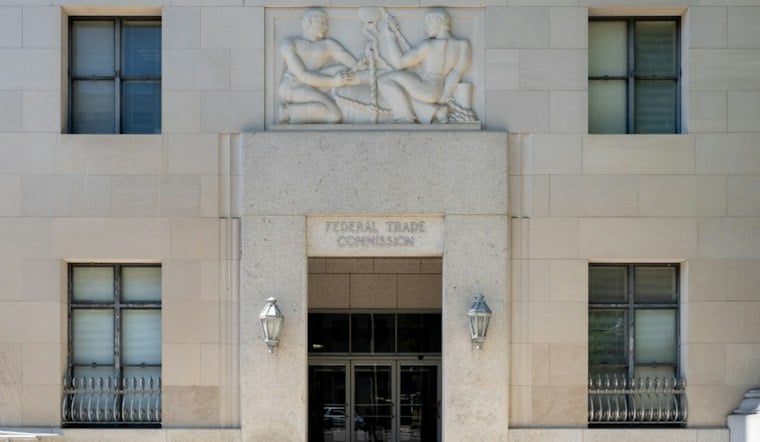
The settlement’s central remedy is a monitor-driven repayment system: Southern Glazer’s Wine and Spirits must pay smaller retailers when an independent monitor finds that the distributor charged them more than a nearby chain for the same products. The FTC alleged that Southern, the country’s largest wine and spirits distributor, gave major retailers such as Total Wine, Walmart and Kroger better pricing than independently owned liquor stores just a few blocks away.
A Decades-Old Law Gets a Rare Workout
According to DC News Now, the FTC's case accused Southern of denying smaller stores access to the same discounts and rebates it offered larger retailers. The agency's lawsuit alleged the pattern played out across 33 states, though a later investigation failed to turn up evidence of discrimination in seven of them, the outlet reports. The settlement itself covers Southern's sales to the five largest chain retailers in 26 states, including a broad swath stretching from Alaska, Arizona, Arkansas, California and Colorado through Delaware, Florida, Hawaii, Illinois and Indiana, and on to Kansas, Kentucky, Louisiana, Maryland, Minnesota, Missouri, Nebraska, Nevada, New Mexico, New York, North Dakota, Oklahoma, South Carolina, Tennessee, Texas and Washington.
The case rests on the Robinson-Patman Act, a 1936 law that permits volume discounts only when a seller can show real cost savings from selling in bulk. Per the Congressional Research Service, the FTC sued Southern in December 2024, alleging the company had charged independent purchasers more than favored chain buyers since at least 2018 — a pattern the agency's own press release names as reaching retailers including Total Wine & More, Costco and Kroger. Bloomberg Law reported the suit marked a rare return to Robinson-Patman enforcement by the FTC.
A Separate FTC Case Against PepsiCo
A separate 2025 FTC case against PepsiCo involved a different legal theory: according to a U.S. District Court for the Southern District of New York filing, the agency alleged violations of Sections 2(d) and 2(e) of the Robinson-Patman Act, along with Section 5 of the FTC Act. The FTC later voluntarily dismissed that case.
Company Tried to Get the Case Tossed, and Lost
Southern didn't go quietly. The company tried to get the lawsuit dismissed, but a federal court refused in April 2025, per Bloomberg Law's reporting, clearing the way for the case to move toward this settlement. The timing is notable: the FTC filed its original lawsuit during the final weeks of President Biden's administration, and Andrew Ferguson was named FTC chairman the day President Trump took office in January 2025, according to DC News Now's account.
Ferguson reportedly did not initially support pursuing the case against Southern, believing the company could prove that most of its price differences were justified by real differences in what it cost to supply different retailers. In the end, Ferguson said the settlement represented the best outcome for all parties involved, the outlet notes.
How the Payback Mechanism Works
The order does not bar Southern from particular business activities or lock in its current prices. Instead, compensation is triggered if the independent monitor finds significant or recurring price discrimination involving the same products sold to a nearby larger store. DC News Now describes the arrangement as one that adjusts to the monitor’s findings: an independent retailer is paid when the monitor determines it was charged more than a competing chain.
Southern will also have to hand over detailed pricing records to that monitor twice a year, giving regulators an ongoing window into its dealings with retailers long after the ink has dried. Brewbound's coverage frames the arrangement similarly, describing the deal as one that caps the price gap between chains and nearby independent sellers and orders Southern to pay retailers directly if it violates the settlement going forward. MLex has separately reported that the deal would impose six years of pricing restrictions paired with independent monitoring, though that detail comes from MLex's own account rather than the settlement document itself.
No Admission, and a Business as Usual Outlook
For its part, Southern said it was pleased to resolve the case without a trial and without admitting any wrongdoing, and the company said it does not anticipate the settlement will force material changes to its business or pricing practices. That is a notable claim given Southern's scale: the company generated $26 billion in retail wine and spirits sales revenue in 2023 and distributes roughly one out of every three bottles of wine and spirits sold in the United States, making it one of the largest privately held companies in the country, according to DC News Now's reporting.
The settlement is a rare modern test of a Depression-era antitrust law. Its monitor-driven remedy will put the focus on how pricing differences between large chains and nearby independent retailers are assessed in practice.




