

























































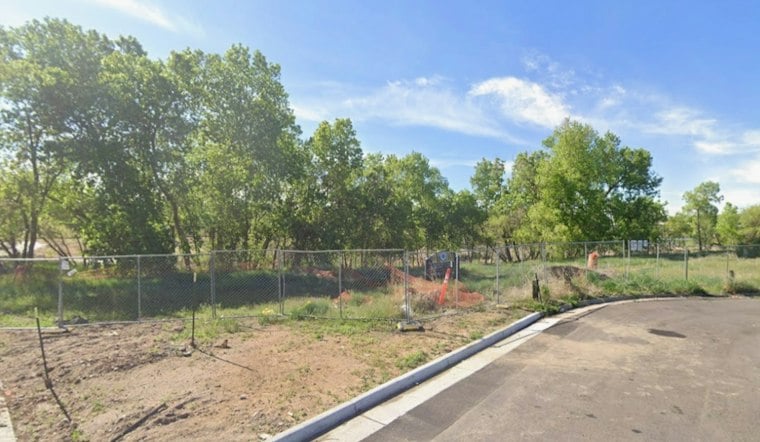
A brand new, one-of-a-kind park just opened in North Denver on land with a history of industrial contamination. Carpio-Sanguinette Park and Heron Pond Open Space in Globeville cover 80 acres that now rank as the largest natural area in the entire Denver Parks and Recreation system.
The City and County of Denver Government celebrated the park's grand opening with a ribbon-cutting ceremony on September 26 at 1400 53rd Ave., marking the culmination of a process more than a decade in the making. As reported by CBS News, the full park transformation cost roughly $44 million. The project reportedly began as a modest stormwater basin improvement before it grew into the sprawling regional park that exists today.
Four Fragmented Parcels Become One Regional Park
Getting to 80 contiguous acres meant stitching together land that had sat disconnected for years. According to the Denver Gazette, the finished park unifies Heller Open Space to the west, Heron Pond Natural Area to the north, the original Carpio-Sanguinette Park (formerly known as Northside Park) to the south, and a 20-acre stormwater parcel acquired by the Denver Wastewater Group. Before the consolidation, the site was fragmented and largely inaccessible to the neighbors living around it, the Gazette's reporting notes.
That inaccessibility traced back to the land's industrial past. The same Denver Gazette report details how the park reclaims a former brownfield that once housed the Northside Wastewater Treatment Facility, built in 1937, and required extensive cleanup of historic soil and water contamination from lead, arsenic, and cadmium — remediation efforts that stretch back to an initial cleanup in 1994 and spanned more than three decades in total.
A Stormwater Facility Hidden in Plain Sight
Beneath the new trails and open lawns, the park is doing serious engineering work. Per World Landscape Architecture, a 15-acre regional stormwater management facility is built directly into the landscape, capturing sediment and cleaning urban runoff from more than 700 acres of surrounding North Denver drainage areas before that water reaches the South Platte River. The facility adds stormwater management to the park's role as green space.
Not everything from the industrial era was torn down, either. CBS News reports that, at the request of Globeville residents during community engagement meetings, designers retained the graffiti-covered concrete walls of the former wastewater treatment plant. The walls remain, and painting them received provisional approval from Denver Parks & Recreation.
New Amenities and a Namesake Rooted in Local History
The recreational offerings now scattered across the 80 acres are extensive. According to the Denver Weekly News, newly constructed amenities include a nature-inspired regional playground with giant climbable structures shaped like butterflies, cattails, and beetles, along with a BMX pump track, a picnic pavilion plaza, an outdoor amphitheater wired with stage power for live concerts, and a nature overlook tower.
The park's name honors two distinct pieces of Globeville history. Denver City Council voted unanimously in October 2017 to rename the former Northside Park in honor of Sal Carpio, one of the city's first Latino City Council members who represented the neighborhood during key civic fights, and the Sanguinette family, whose roots in Globeville date to the 1850s and whose descendants advocated against industrial pollution in the South Platte River, according to 9NEWS. The Sanguinette family had operated a farm in Globeville dating back to the 1850s.
Neighborhood Investment
The park's opening also lands amid a wider wave of investment in Globeville. The neighborhood is seeing the adjacent National Western Center redevelopment move forward. The park and surrounding projects mark a notable shift for a neighborhood with a long industrial history.





