

























































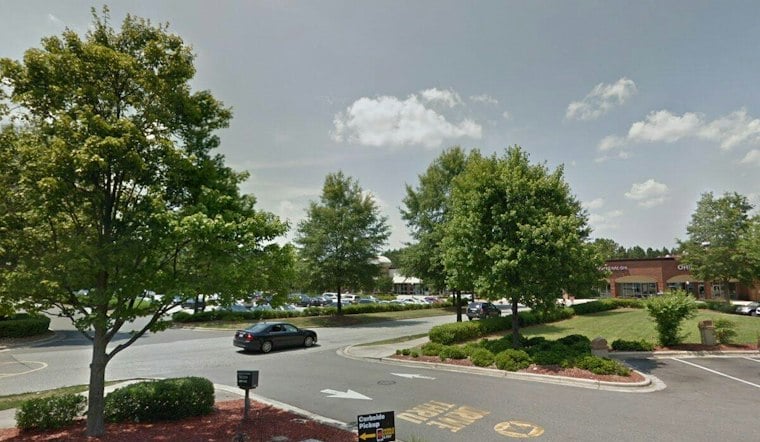
A security guard at the Harris Teeter on NC Highway 54 in Durham shot a suspected shoplifter on Sunday, triggering a police investigation into whether the use of force was justified. The shooting happened at the grocery store in the SouthPoint Crossing shopping center, a busy commercial strip near Interstate 40 on the city's south side.
The Durham Police Department is investigating the shooting, which involved a security guard at the store and a person suspected of shoplifting, according to CBS 17. The Harris Teeter sits within a 103,190-square-foot retail center, according to Regency Centers, putting the shooting in the heart of one of southwest Durham's busiest retail corridors.
Details on the suspected shoplifter's condition, whether the person was armed, and whether any charges will be filed against the guard have not been released. Those remain open questions as investigators sort out what led to gunfire breaking out at the grocery store.
What North Carolina Law Allows Security Guards to Do
Under North Carolina General Statutes, store merchants and their security employees can legally detain suspected shoplifters on or near store premises, so long as the detention is reasonable and based on probable cause, per the statute cited by FindLaw. That law gives merchants civil immunity from false arrest claims when the detention meets those standards, but it does not speak to when force, let alone deadly force, becomes legally justified.
Separately, state law requires private armed security guards to hold a firearm registration permit from the Private Protective Services Board and to carry only board-approved weapons, according to Justia Law. Whether the guard involved in Sunday's shooting met those licensing requirements has not been addressed publicly.
The legal question investigators will ultimately have to answer centers on North Carolina's self-defense statute, which permits deadly force only when a person reasonably believes it is necessary to prevent imminent death or great bodily harm, according to the Fanney Law Office. That standard requires both a genuine belief of danger and an objectively reasonable basis for that belief given the circumstances.
Shoplifting Carries Far Lesser Penalties Than Gunfire
The underlying offense at issue, concealing unpurchased merchandise, is classified as a Class 3 misdemeanor for a first offense in North Carolina, carrying up to 20 days in jail and mandatory community service if the sentence is suspended, according to the UNC School of Government. Penalties escalate for repeat offenders within certain statutory windows, but the gap between a misdemeanor shoplifting charge and the use of a firearm is exactly what investigators will be scrutinizing.
That scrutiny has played out elsewhere recently. In October 2025, a New Mexico store guard was charged with second-degree murder after shooting an unarmed shoplifting suspect, according to Law & Crime. Prosecutors in that case and others nationwide have closely examined whether armed guards escalate non-violent property crimes into deadly encounters.
Retail Theft Has Been a Persistent Issue in Durham
Property crime has remained a significant concern in Durham. Larceny cases dipped between 2024 and 2025.
No details have been released about possible charges against the Harris Teeter guard, and Durham police have not said whether the shooting will be referred to the Durham County District Attorney's Office.





