

























































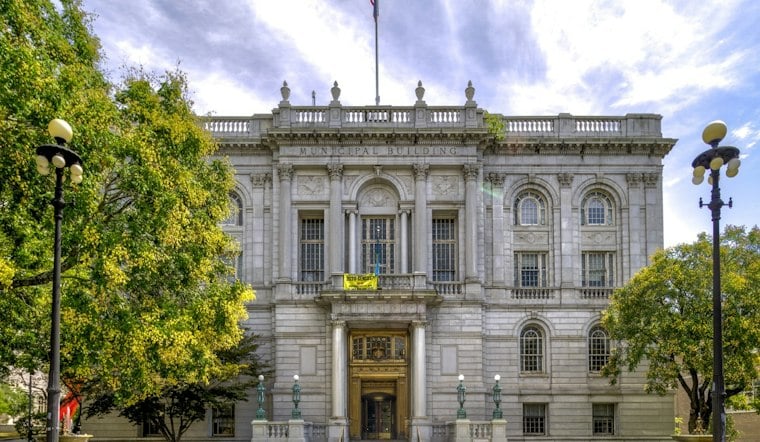
Hartford's City Council voted unanimously to strengthen the Civilian Police Review Board's authority to investigate allegations of police misconduct, revising the ordinance that governs the board after years of disputes over withheld documents and contested subpoenas. Mayor Arunan Arulampalam signed the amended measure into law on Oct. 2.
The changes, reported by CT Mirror, strengthen the board's ability to receive timely access to police evidence and affirm its existing subpoena and arbitration powers, according to Inside Investigator. Under the revised ordinance, Internal Affairs must now provide all materials in its file promptly. The amended ordinance also exempts only records specifically prohibited from disclosure under state or federal confidentiality laws; in those cases, the police chief cannot close a citizen complaint until the required documents are released. It states that the inspector general reports directly and solely to the review board — language meant to insulate the position from outside interference.
The Civilian Police Review Board is Hartford's independent oversight body, empowered to compel police to release internal documents and to testify in misconduct investigations. When the police chief disagrees with the board's findings, the board can send the case to arbitration. Those powers trace back to the state's 2020 Police Accountability Act, which allowed municipalities to grant civilian review boards authority to issue subpoenas compelling witnesses to appear and to require production of relevant records, per the Connecticut General Assembly. Hartford city leaders strengthened the board's own ordinance that same year.
A Board Pushed Close to a Standstill
The ordinance rewrite follows months of friction between the review board and the Hartford Police Department and police union, both of which challenged the board's work and, according to the seed reporting, brought investigations to something close to a standstill. Inspector General Joe Lopez and board members sought help from the City Council after Hartford residents called for action during a public demonstration and two hearings.
Lopez told Inside Investigator that the police department's delays in providing documentation contributed to a significant backlog of cases that brought the board close to a standstill. He said the board had deliberately held off issuing subpoenas because prior ones met a bunch of challenges and non-compliance. Lopez also argued the police department had improperly curbed his authority, even though the previous ordinance required the inspector general to have access to the same files as Internal Affairs. Access to documents had been delayed, and some case files were redacted.
Subpoenas, a Court Fight and a Labor Complaint
The review board authorized Lopez in April to issue subpoenas for Internal Affairs records in seven stalled cases, including body-camera video and officer interviews, according to CT Mirror's reporting from June. The police department missed a May 7 deadline to comply, and the city's own lawyers filed a motion to quash the subpoenas, sending the dispute to court. Lopez took over as inspector general in November 2024, inheriting a system already strained by non-compliance.
The Hartford Police Union, meanwhile, filed a complaint over the arbitration process with the State Board of Labor Relations, arguing that arbitration concerns discipline — a mandatory subject of collective bargaining. The union also rescinded a prior agreement that had allowed the inspector general to attend Internal Affairs officer interviews. Union president James Rutkauski said officers object to the city's failure to negotiate the proposed ordinance changes with the union directly, and he said the council's lack of communication would ultimately cost the city more money to litigate.
Connecticut Public reported that commissioners initiated the arbitration process for the first time in 2025 over the union's objection.
City Officials Defend the Overhaul
City Council President TJ Clarke said the council worked with subject matter experts to address community concerns in crafting the amendments, which were intended to eliminate legal challenges to the board's work going forward. Arulampalam described Hartford as having the state's most robust civilian oversight system and said he would work with the police department and the independent inspector general to build and maintain public trust.
The review board itself has said that civilian oversight requires both legal authority and the practical ability to investigate — a standard city leaders say the amended ordinance is designed to meet after a stretch in which court fights and union objections repeatedly slowed the board's casework. Whether the new language actually ends those legal challenges, as councilors intend, remains to be seen as the police department's subpoena dispute and the union's labor complaint continue to play out.





