

























































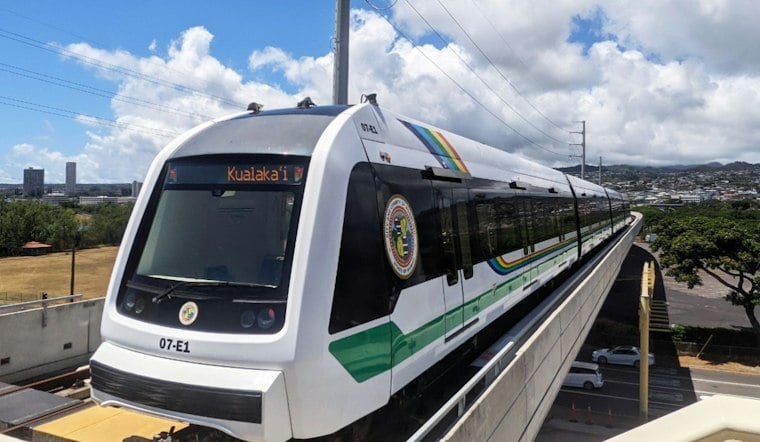
Honolulu's City Council advanced a bill that would let Skyline trains and TheBus carry exterior advertisements, seeking new revenue for a transit system that spends far more than it takes in. Bill 59, introduced by Councilmember Radiant Cordero, cleared its first reading and now heads to further review by the Infrastructure, Transportation and Technology Committee.
Bill 59 would cover vehicles across Oʻahu's city transit system, including Skyline rail cars and TheBus, according to Hawaii News Now. The financial case is stark: city officials say the system costs more than $475 million a year but brings in only about $50 million, the report said. Interior ads currently generate roughly $135,000 annually, while the bill estimates exterior placements could add at least $6 million a year in transit revenue.
A Decades-Old Billboard Ban Looms Over the Debate
Hawaii generally prohibits off-premise commercial billboards, but state law expressly exempts outdoor advertising displays on vehicles used to transport people or goods. Hawaii Revised Statutes § 445-112(7) makes that exception, while § 445-113 leaves the details to county regulation, according to Justia Law.
This isn't the first time Honolulu has floated the idea. Back in 2014, officials under then-Mayor Kirk Caldwell proposed allowing exterior bus ads that could have raised up to $8 million a year, but the plan ran into pushback from critics who warned it would turn city buses into rolling billboards, Honolulu Civil Beat reported at the time.
Limits on Transit Advertising
Bill 59 would cover both buses and Skyline trains; as written, it also bars certain categories of advertising, including political ads and promotions for products or services prohibited to minors. A different transit-ad dispute unfolded in New York City in 2015. According to POLITICO, the MTA voted 9-2 to ban all political advertising on its subways and buses after a federal judge ordered it to run a disputed ad. The report describes the order and the MTA’s response, but does not establish a later court ruling; the New York policy was broader than Bill 59’s restrictions.
Cordero Promises Guardrails on What Can Be Advertised
Cordero has said transit advertising space should not be unrestricted, and she plans to work with transit officials to develop strict advertising guidelines. As written, Bill 59 would prohibit obscene promotions, advertisements for illegal purposes, and ads for products or services prohibited to minors. The bill also bars harmful language in advertisements and prohibits ads for elected officials and political candidates.
Hawaii News Now reported varied reactions from riders at the Kalihi Transit Center. Dylan Armstrong said transit needs to raise revenue and called that goal worthy; Holly Corpuz opposed changes to Skyline's recognizable rainbow design. Rodley Jay Durupan Delacruz said he could accept exterior ads if harmful advertising is excluded, while Anna-Karin Friis and Pamela Moore supported allowing advertisements on the trains and transit vehicles.
Revenue Pressure Builds as Rail Costs Climb
The city already raised fares across TheBus, TheHandi-Van, and Skyline on July 1, a change projected to generate about $4 million in additional annual revenue, as reported by Aloha State Daily.
Separately, HART’s finance committee advanced a proposed $1.07 billion operating and capital budget for fiscal year 2027, driven largely by construction costs for Segment 3 through downtown Honolulu and growing debt service, as Hoodline previously reported. That budget pressure sits alongside Skyline's still-developing ridership, which averaged about 11,577 daily weekday rides in February as the city worked to build usage across newly opened stations.
Skyline's footprint has grown rapidly since its Segment 2 extension opened in October 2025, adding four stations — including a direct link to Daniel K. Inouye International Airport — and expanding the network to 13 operating stations. The council is also weighing further expansion: in February, the Infrastructure, Transportation and Technology Committee advanced Bill 60, also co-sponsored by Cordero, to authorize preliminary planning for future Skyline extensions toward UH Mānoa and Kapolei. Bill 59 will now move through additional committee review before any exterior ads could appear on Honolulu's buses or trains.



