

























































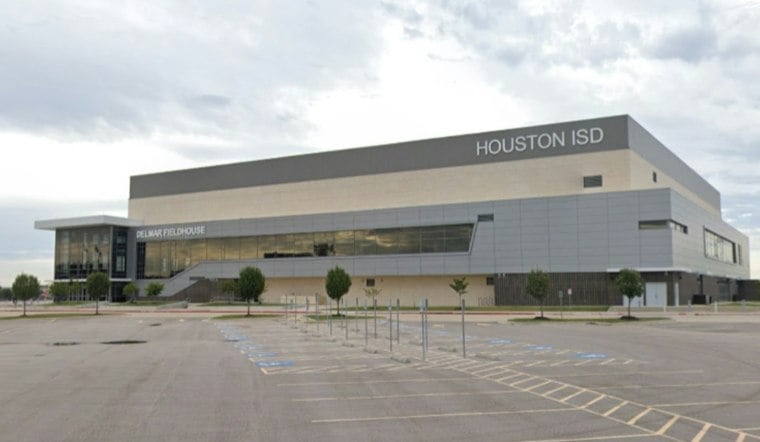
Houston ISD's state-appointed Board of Managers voted unanimously this week to set the district's total property tax rate for fiscal year 2026-27 at $0.8421 per $100 of valuation, a drop of about 3.6 cents from the current rate of $0.8783. For the owner of a home valued at $299,166 — the district's median for the coming year — that works out to an estimated $2,519 in annual Houston ISD taxes, down from the $2,608 a taxpayer with a $296,904 home paid in fiscal year 2025-26.
Why the Rate Fell
The board approved the new rate on Thursday, according to Houston ISD meeting documents cited by Community Impact. The decrease largely reflects the expiration of a temporary tax hike the board imposed last October, when it raised the total rate by nearly 3 cents to $0.8783 using a state law provision known as disaster pennies, intended to cover repair costs from Hurricane Beryl without going to voters, according to the Houston Chronicle. The law firm Leon | Alcala, PLLC notes that disaster pennies last one fiscal year, making the increase temporary.
Underlying property values across the district grew only modestly for the coming fiscal year, with preliminary certified values up 0.24% year-over-year to $232.62 billion, per Community Impact's reporting. A separate factor is also cushioning homeowners: Texas voters approved Proposition 13 in November 2025, expanding the mandatory school district homestead exemption to $140,000 for the 2026 tax year, according to Ownwell. Houston ISD officials caution that individual bills could still rise if a home's value increases, if a taxpayer loses an exemption, or if a property's value exceeds the state's 10% appraisal cap.
A $24.5 Million Shortfall Still Looms
The rate cut comes against the backdrop of a tighter district budget. The Board of Managers approved its fiscal year 2026-27 budget back in June, a spending plan that carries an estimated $24.5 million shortfall, with the general fund projecting about $1.99 billion in total revenue against roughly $2.015 billion in expenditures. To close part of that gap, the approved budget cuts direct instructional expenses by $96.5 million, school leadership spending by $10 million, and general administration by $7.9 million compared to the prior year, while increasing student transportation spending by $12.1 million, according to the same Community Impact report.
Those budget moves follow a board decision in February to close 12 campuses ahead of the current school year, a response to multi-year enrollment declines that saw the district lose roughly 7,900 students during the 2025-26 school year — a shift Hoodline previously reported has already reshaped bus routes for some families. Declining enrollment reduces state funding allocations under Texas school finance formulas, compounding pressure on a district still managing the fallout of its facilities crisis.
Facility Needs Persist After Failed Bond
That crisis traces back to Houston ISD voters' rejection of a proposed $4.4 billion bond measure for building and technology updates, according to Ballotpedia. The lingering effects of that defeat have shown up on individual campuses: Hoodline has reported on Horn Elementary in Bellaire, where parents paid to rent air conditioning units after the district did not fix a broken system, and on Pugh Elementary, where classrooms reportedly reached 89 degrees this week.
Despite the budget strain, Houston ISD's new total tax rate is $0.8421 per $100 of valuation. For Houston homeowners, school district taxes remain the single heaviest line item on the bill, accounting for roughly 43% of a typical annual property tax bill compared with 26% for the City of Houston and 19% for Harris County, per Ownwell's analysis.
State Oversight Continues
The tax rate vote also comes as Houston ISD remains under state control. Texas Education Commissioner Mike Morath extended the intervention and the Board of Managers' authority until June 1, 2027, though Superintendent Mike Miles said in August that the district expects to begin transitioning back to an elected school board after the current school year, according to the Houston Chronicle. That extended oversight has drawn pushback from some corners of the community — a takeover commission recently called for limits on state control, Hoodline reported this week — even as the appointed board continues to make the budget and tax decisions that will shape the district through the next school year.





