

























































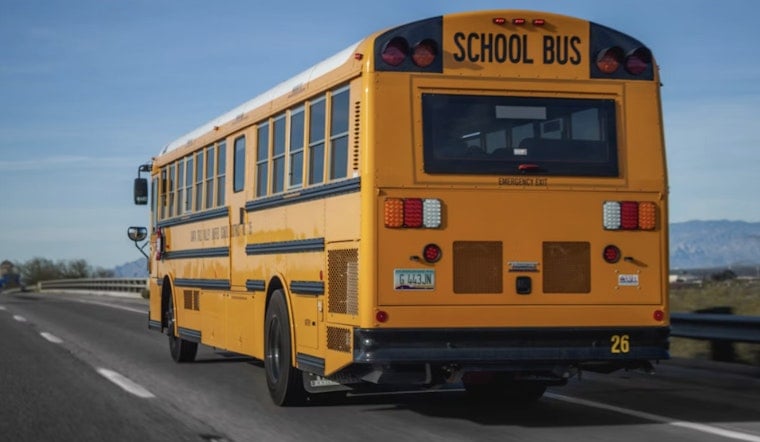
A Houston ISD mother says a bus ride that should have taken her 13-year-old son 13 minutes instead stretched to more than two hours, leaving her waiting anxiously as the trip from his school to his pick-up spot dragged on far longer than expected. The route began at his school in Houston and was supposed to end quickly at his designated pick-up destination.
The mother's account was reported by Karys Belger for FOX 26 Houston, which detailed how the short commute turned into an hours-long wait. The delay comes during a rocky opening week for Houston ISD's transportation system, as families across the district have reported unassigned bus routes, missing buses, and customer service phone queues stacked with 80 to 100 waiting callers, according to KHOU 11.
A District in the Middle of Major Overhaul
This school year's transportation troubles are unfolding against a backdrop of sweeping structural change at HISD. In February, the district's Board of Managers voted unanimously to close 12 campuses ahead of the 2026–2027 school year, a decision that reassigned thousands of students to new campuses and forced the creation of new bus routes districtwide, per KHOU's earlier reporting. The closures followed sustained enrollment declines and high maintenance costs on aging facilities.
Those enrollment losses have been steep. HISD shed roughly 7,900 students during the 2025–2026 school year, according to district data reported by the Houston Chronicle, accelerating a multi-year demographic slide that has reshaped both budgeting and transit operations across the district. The combination of fewer students, consolidated campuses, and reworked routes has left the transportation system especially vulnerable to the kind of breakdown this family experienced.
New Tracking Tech Arrives Amid the Chaos
Ahead of the new school year, HISD rolled out its SMARTtag student-tracking system, requiring bus riders to scan digital badges when boarding and exiting so parents can receive real-time location alerts through a mobile app. The district phased in the physical badges during the opening weeks of August while drivers manually logged initial boardings, a transition period that overlapped directly with the reported delays.
HISD maintains internal benchmarks meant to prevent exactly this kind of prolonged ride: single-trip commutes are supposed to be capped at 50 minutes for zoned neighborhood students and between 80 and 90 minutes for choice and magnet program students. A two-hour ride for a routine 13-minute trip falls well outside those targets, regardless of which category applied to this student.
Where Parents Are Told to Turn for Help
Under district protocols updated for 2026, parents whose child's bus is delayed by more than 15 minutes are instructed to call one of four regional bus terminals — Barnett, Butler, Central, or Northwest — based on the first digit of the student's route number. HISD phased out its general transportation email in late 2025, pushing families toward those regional hotlines or online support forms instead.
The strain on those channels has been evident since the first days of school, with call queues reportedly reaching into the dozens of waiting callers even as families search for basic answers about missing or delayed buses. This latest account echoes a pattern Hoodline reported this week, when another Houston mother challenged her 10-year-old daughter's magnet school bus stop after it was placed three miles from their home, reflecting district policies that extend walking distances to consolidate pickup hubs.
A Fleet Already Stretched Thin
The transportation system's troubles are not new. Houston's school bus squeeze has fueled safety concerns for months, tied to driver shortages and route disruptions across the district. HISD has also leaned on Harris County METRO since the 2025–2026 school year, offering free public transit passes to qualifying high school students living more than two miles from school in an effort to ease overcrowding on yellow buses; about 800 students enrolled in that program during its first year.
Financial pressure compounds the operational strain. HISD requested an exemption from Texas Senate Bill 546's seat belt requirements in May, estimating it would cost $29 million to retrofit or replace non-compliant buses amid ongoing budget deficits. Under Texas Education Code Section 48.151, districts are legally required to provide bus transportation primarily to special education students and general education students living two miles or more from their assigned school, a baseline HISD must meet even as it juggles closures, staffing shortages, and a shrinking budget.





