

























































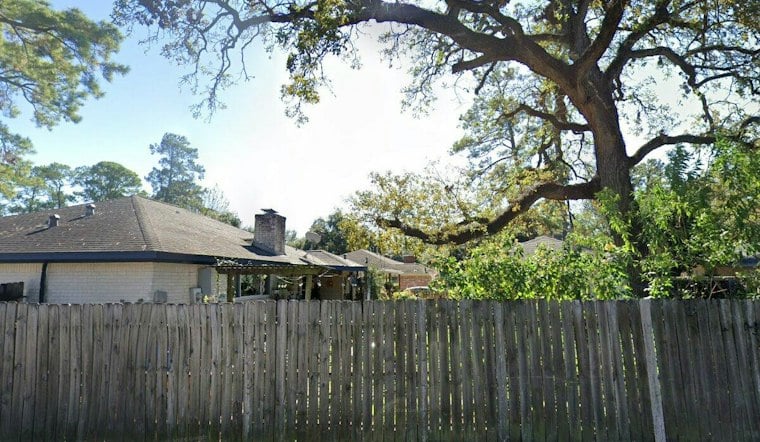
Houston’s growing share of rental listings that were previously offered for sale points to a pressure point in the housing market: some homeowners are turning to renting after a sale stalls. Nearly 4.3% of the city’s single-family rental listings in the past three months had first been listed for sale, according to Zillow—triple the rate three years ago.
Lisa Marshall knows the pattern firsthand. She listed her family's Katy home for sale late in 2025, cut the price by $30,000, and still only landed one offer — which later fell through, according to the Houston Chronicle. Rather than keep chasing a sale, she leased the property to a family member for $2,000 a month. Marshall said she expects to barely break even once property taxes, utilities, maintenance and homeowners' association fees are factored in, telling the paper she simply could not continue, physically or financially, trying to sell the home.
A Record Glut of Listings Across Greater Houston
The backdrop to Marshall's decision is a housing market that has piled up more unsold inventory than buyers can absorb. Active single-family listings across Greater Houston hit 38,947 in August, representing a 5.3-month supply, according to the Houston Association of Realtors. Houston also had a record number of single-family homes for sale over the summer, per the same organization's data cited in the Chronicle's reporting.
Single-family home sales across the region fell 11.5% year over year to 7,100 closings in August, while the median sales price slipped 1.5% to $330,000, the Houston Association of Realtors reported. With average 30-year fixed mortgage rates sitting near 6.7% through mid-2026, buyer purchasing power has stayed limited — a dynamic that leaves sellers like Marshall with fewer offers and more pressure to consider renting instead of waiting out the market.
Zillow senior economist Kara Ng said the estimate likely understates the trend because it does not capture every home that might otherwise have sold. Nationwide, 2.3% of homes listed for rent in early 2026 had previously been listed for sale, the second-highest share recorded in six years, according to Zillow Research.
More Sellers Weighing the Same Decision
The Houston Chronicle reported that Stacy Peacock’s Spring home remained unsold for almost two months after she and her husband relocated to Magnolia. She cut the asking price by 4% to $229,000, but faced 26 similarly priced homes for sale in the Timber Lane area. Two subdivisions with builders offering discounted-rate new homes were less than three miles away. Houston agent Paige Martin told the paper that discounted mortgage rates offered by developers can put older homes near new-construction neighborhoods at a disadvantage.
The Chronicle also reported that Arpita Sharma plans to market her Cottage Grove home for lease after reducing its asking price from an initial valuation of about $810,000 to $769,000. While deciding what to do, she has been covering roughly $4,900 a month in mortgage, taxes, insurance and HOA fees from savings.
The Chronicle reported that agent Jose Moreno advised a client to rent rather than sell a home purchased in 2022: at current prices, the client would have owed a lender $15,000 to $20,000 to complete a sale.
Renting Out Isn't an Easy Fix
Even homeowners who choose to rent face a tougher leasing market than they might expect. Hoodline reported 4,805 leased single-family homes in Greater Houston in August, up 4.7% from the previous year. The Chronicle reported that expanding rental availability helped stabilize rents and attributed the roughly flat $2,054 single-family rent figure to John Burns Research. The Chronicle's reporting puts the broader single-family, townhome and condo lease count even higher, at about 16,660 listings in September — an 80% jump over three years — with homes that once leased in under a month during the pandemic now sometimes taking up to 60 days to find a tenant. Rent growth across Houston started slowing back in 2023, the Chronicle noted.
What the Earlier Downturn Can—and Can’t—Tell Us
The available historical figures offer a limited comparison, not a like-for-like measure of today’s slowdown. Freddie Mac reported that Houston’s multifamily rental market in 2015 had a 5.8% vacancy rate and 4.6% rent growth. Those figures concern multifamily housing, whereas the current figures described above cover single-family homes; the cited historical data also do not establish how overall housing inventory or sales compared.
Dense pockets of the city add to the competition. The Chronicle found 20 similarly priced townhome rentals available within a quarter mile in the East End alone, with similar crowding in Midtown, Rice Military and the Heights. Layered on top of that is institutional supply: Houston now has 16,225 build-to-rent homes, up from just 2,931 less than a decade ago, and nearly 61% of the nation's build-to-rent pipeline — over 37,400 units under construction in the South as of early May — is concentrated there, according to RealPage.
Texas Tax Rules Add a Hidden Cost
Beyond rental competition, Texas tax law stacks the deck against accidental landlords in ways that aren't always obvious upfront. Moving out and converting a primary residence into a rental triggers the loss of a homestead exemption under Texas Tax Code Section 11.13(b), eliminating a $140,000 reduction in taxable home value for school district taxes, according to attorney Andrew Chavis. The conversion also removes the state's 10% cap on annual appraised value increases; qualifying rentals instead receive a separate 20% circuit breaker through December 31, 2026, with full market-value increases potentially applying from 2027 if the law is not extended, according to Chavis. Landlords have no price floor to count on either, as Houston rents respond to supply and demand, according to Auben Realty.



