

























































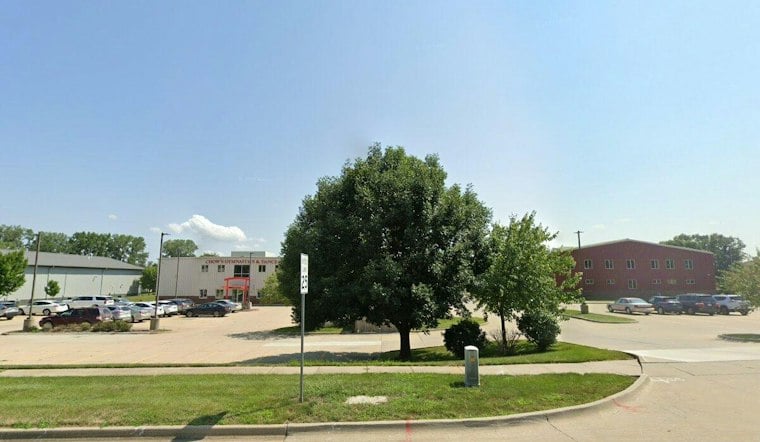
Sean Gardner’s federal sentencing has not resolved the separate Iowa investigation into allegations against him. West Des Moines police had said they would decide how to proceed after the federal case ended. Gardner has not been charged over the Iowa allegations, CBS News reported.
A federal sentence, an unresolved Iowa inquiry
On Wednesday, U.S. District Judge Kristi Johnson sentenced Gardner, 39, to 90 years in prison: consecutive 30-year terms on three counts of producing child sexual abuse material. Gardner pleaded guilty to placing a concealed camera in a bathroom at a gymnastics studio in Purvis, Mississippi, and recording students from December 2017 to April 2018, according to the Broomfield Enterprise and CBS News. That federal conviction concerns the Mississippi recordings; it does not establish the outcome of the Iowa inquiry.
CBS News reported that investigators also found recordings on Gardner’s computers during the Iowa investigation. In August 2025, agents seized about 50 videos and 400 photos from his Iowa home, the outlet reported; it said the images showed girls ages 6 to 14 undressing or using a bathroom. CBS also reported that one recording appeared to show Gardner turning off the camera. These are reported investigative findings, not charges or a court determination about the Iowa allegations.
The FBI’s information portal seeks information from people who may have been victimized or have relevant information. The bureau lists Gardner’s coaching work at gyms in Louisiana, Mississippi and Iowa from 2004 through 2022. The portal’s appeal does not establish what investigators will conclude about the Iowa allegations.
Oversight allegations and what the available figures show
Separate civil suits allege that USA Gymnastics and the U.S. Center for SafeSport received warnings about Gardner’s conduct as early as 2017 and failed to remove him from the sport for years. Former gymnasts Finley Weldon and Hailey Gear filed suits in December 2025 naming Gardner, USA Gymnastics and Liang “Chow” Qiao, The Gazette reported. The Associated Press reported that SafeSport suspended Gardner in 2022 and said its investigation found Qiao and other coaches knew of sexual-misconduct allegations but did not report them as required by its policy. Those are findings and allegations reported in the oversight and civil proceedings, distinct from the unresolved Iowa criminal inquiry.
In May 2026, a federal judge dismissed SafeSport from the civil suits on immunity grounds, while claims against USA Gymnastics and Qiao remained, The Economic Times reported. The dismissal was based on immunity; it did not resolve the remaining claims.
SafeSport reported receiving nearly 9,700 reports of abuse and misconduct in 2025, almost 20% more than in 2024. That is a count of reports received, not a measure of abuse prevalence, a tally of resolved cases or evidence about Gardner, the Center’s annual report says. The Center says its Code has defined prohibited behaviors and processes for responding to and resolving reports affecting the U.S. Olympic and Paralympic Movement since March 2017. Its Minor Athlete Abuse Prevention Policies have required limits on one-on-one adult-minor interactions since 2019, according to the Center. Those dates alone do not show whether a particular gym or coach was covered by the rules or whether they were followed.
A separate case offers a limited comparison
A federal review of a different gymnastics abuse case illustrates why institutional timelines should be examined case by case. The Justice Department inspector general reported that the FBI’s Lansing Resident Agency did not learn of allegations against former USA Gymnastics physician Lawrence Nassar until after Michigan State University police searched Nassar’s residence in September 2016. That history is not evidence about what any person or organization knew in Gardner’s case, nor does it resolve Iowa’s investigation. The inspector general’s report is a distinct episode, not a measure of how often such failures occur.




