

























































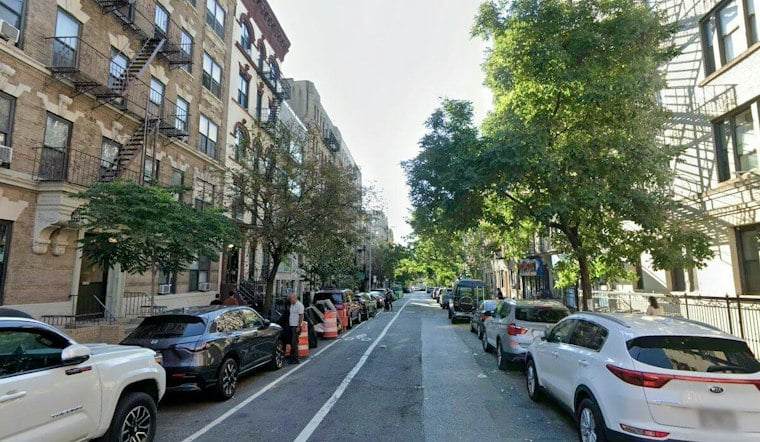
Concrete mixers are rolling on Jay Street in Downtown Brooklyn right now, where the city is pouring two new bus boarding islands meant to pull buses and bicycles out of each other's way. The islands sit near Brooklyn Commons, in a stretch of roadway that has functioned for years as a bus-first thoroughfare where cyclists, pedestrians and buses all jockey for the same slice of pavement.
“The Department of Transportation is currently — as you read this news story — building the bus boarding islands,” according to Streetsblog New York City, which reported that DOT described the goal plainly: “we'll be installing bus boarding islands to eliminate the mixing of buses and bikes at these two locations, reducing bus service delays and improving safety for everyone.” Mayor Zohran Mamdani's administration has pushed the project forward as part of a broader run of transportation changes reshaping Downtown Brooklyn's streets this fall.
Two Islands, Two Jobs
The first island, just north of Metrotech Service Road, swaps out a painted no-parking zone dotted with planters for an actual concrete platform where B54 buses can let passengers off at the end of the line. The same island is also designed to give cyclists riding along the curb a bit more of a buffer from traffic, per the same outlet's reporting.
The second island sits a short distance north of the first and serves a different purpose: giving bus drivers a place to park during layovers. That spot currently relies on a curbside cutover in front of Brooklyn Commons Plaza, a stretch the station's report says is frequently blocked by taxis and police officers parking illegally — a problem a Google Street View camera captured back in 2024. By routing cyclists along the curb next to Brooklyn Commons instead, DOT expects to eliminate the conflict between cyclists and bus drivers pulling in and out of the layover area, the news outlet reported. DOT is also designing the existing curb cut to accommodate the curbside protected bike lane.
Resurfacing Debate Trails the Project
DOT told the outlet it's using scheduled street resurfacing to improve the bus-riding and biking experience on Jay Street, an approach that transportation advocate Jon Orcutt said has not historically been typical. “Absolutely has not been standard procedure,” Orcutt said, according to the news organization's article, while adding that aligning resurfacing with street redesigns would actually be beneficial. He pointed to a cautionary example: a DOT pedestrian island installed next to the Kent Avenue bike lane between South Second and South Third streets did not include a resurfacing of the bike lane itself, leaving that stretch with a rough, construction-abused surface even after the safety upgrade went in.
Part of a Bigger Downtown Brooklyn Push
The Jay Street work doesn't stand alone. The city already closed the “Crashland” gap on Ashland Place's protected bike lane between Lafayette Avenue and Hanson Place, pairing it with a protected bike lane on Lafayette that connects to the Schermerhorn Street protected bike lane. This fall, DOT plans to finish a one-block extension of the Livingston Street busway, a Joralemon Street bus lane, the Flatbush Avenue protected bus lane, and a new protected bike lane on Adams Street and Boerum Place that will link to and from the Brooklyn Bridge.
The flurry of projects follows a report from the Regional Plan Association, which argued the city should aggressively redesign Downtown Brooklyn's streets to prioritize pedestrians, cyclists and bus riders. That report, covered separately by Streetsblog, said Jay Street remains “currently a major impediment to the pedestrian environment” and recommended DOT upgrade the corridor further. The RPA also suggested the city lean into the area's transit connections and pedestrian- and cycling-friendly street grid to draw more employers and residents downtown, with Council Member Lincoln Restler backing calls to further refine Jay Street.
Ridership Numbers Don't Fully Agree
Just how many people the corridor serves depends on who's counting. A DOT project overview lists Jay Street as serving seven bus routes carrying 46,000 passengers per weekday, while Gothamist reported DOT's own figure of more than 45,000 daily riders on those same seven routes, and cited a Tri-State Transportation Campaign estimate putting the number at 47,000 riders. What's not in dispute is the slog those riders have historically faced: midday bus speeds on Jay Street averaged just 3.4 miles per hour in fall 2019, according to DOT's project materials.
The Jay Street busway was the third such corridor in New York City, following Manhattan's 14th Street busway and Brooklyn's original Fulton Mall busway, Gothamist has reported. According to data cited by the Brooklyn Paper, the 14th Street busway increased weekday ridership by 14 percent and let buses move about three minutes faster than before. Jay Street's busway launched as a one-year pilot following that Manhattan project and the Fulton Mall effort, amNewYork reported at the time. DOT's project page states the corridor's primary goal is reducing congestion and improving bus speeds and reliability, and the agency says it will continue monitoring traffic and making adjustments to the busway as needed. Even with two new boarding islands in the ground, Jay Street is likely to remain a site of illegal placard abuse, illegal double parking and heavy automobile traffic, Streetsblog's reporting noted.




