

























































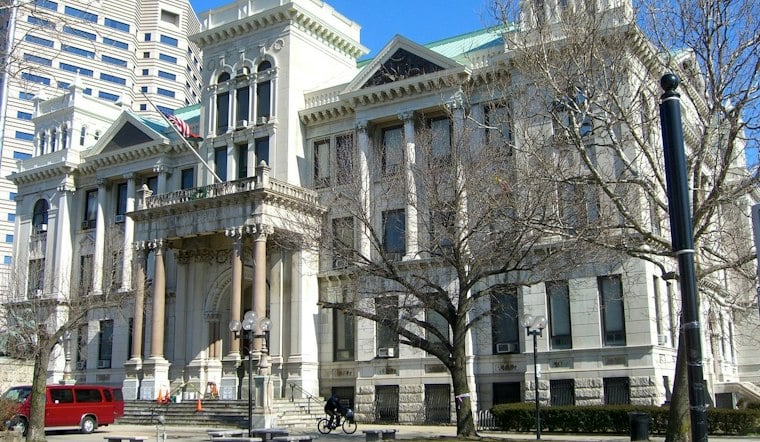
Jersey City Council members sparred during a caucus session over whether to push back the city's annual accelerated tax sale, a procedural decision that finance officials say could determine whether the cash-strapped municipality can pay its bills on time this winter. At the center of the fight was a stark trade-off: delay the sale and risk a $7 million hole in city coffers, or proceed on schedule and expose financially struggling homeowners to tax liens carrying interest rates as high as 18 percent.
A $7 Million Question With No Easy Answer
Jersey City Finance Director and CFO Bill Viqueira told the council that delaying the tax sale could leave the city without roughly $7 million it typically nets from the sale, according to Hudson County View. Without that revenue, the city could default on bills, and late payments would negatively affect the next municipal budget, per the same report. Compounding the problem, Jersey City cannot simply borrow money to replace the lost proceeds, the outlet noted.
The accelerated tax sale, which involves selling liens on delinquent property charges, has occurred in the same year tax charges were issued for ten years running, and typically happens in December. This year's session weighed whether to hold it in December as usual or push it to January, a shift the article said would make a negligible difference to the average homeowner but would strain the city's immediate cash flow.
Council Members Split Over Who Bears the Cost
Jersey City Tax Collector Sean Nolan presented several tax sale-related agenda items to the council, the article notes, as members debated the human toll of the accelerated timeline. Councilman Michael Griffin said he opposed taking advantage of struggling residents, while Councilman Jake Ephros said constituents had raised concerns directly with him about the accelerated sale's impact.
Councilman Frank Gilmore went further, calling the tax lien practice predatory and noting it can involve interest rates up to 18 percent. That figure lines up with state law: New Jersey statute N.J.S.A. 54:4-67 permits municipalities to charge interest on delinquent property taxes of up to 8 percent annually on the first $1,500 owed and up to 18 percent on sums beyond that, plus an optional 6 percent penalty on year-end delinquencies exceeding $10,000. Under the system, Jersey City sells tax liens to third-party bidders, and the tax lien market is open to anyone willing to provide capital, with bidders able to bid as low as zero interest, the article reported. Winning lien holders can then pay delinquencies that arise after the sale and collect on those too, with tax lien proceeds ultimately funding city operations.
Rising Lien Totals Fuel Calls to Wait Until 2027
Councilman-at-Large Rolando Lavarro highlighted a sharp rise in unresolved liens, reporting 70 open liens in 2023, 257 in 2024, and 604 in 2025, according to the Hudson County View report. Lavarro said he opposed an accelerated sale this year and said he preferred holding off until 2027 instead. Council members also floated alternatives, including having the Jersey City Economic Development Corporation or the Jersey City Redevelopment Agency manage tax lien debt, which the report pegged at approximately $10 million.
Councilwoman Denise Ridley framed the dilemma bluntly, saying the council must choose between a $7 million shortfall during a crisis and facilitating people losing their homes, per the outlet's account. New Jersey law does offer homeowners a buffer: under N.J.S.A. 54:5-54 and 54:5-86, property owners retain the right to redeem tax sale certificates by paying delinquent balances plus statutory interest, and private third-party lien purchasers must wait two years after the sale before initiating foreclosure proceedings in court. A tax sale transfers a lien certificate rather than immediate property title, though for owners already behind on payments, the two-year clock still looms.
A Deficit Driving Every Fiscal Decision
The tax sale debate is unfolding against the backdrop of Jersey City's broader fiscal emergency. Mayor James Solomon introduced an $874 million municipal budget in July designed to close an inherited $255 million structural deficit, representing roughly 28 percent of the city's operating budget, combining $55 million in spending cuts with a proposed 15 percent property-tax increase, per the Hudson County View report and other local accounts. Jersey City's finances took another hit in December 2025 when Moody's Ratings downgraded the city's credit rating from A1 to A2 with a negative outlook, citing a pattern of issuing short-term emergency notes to cover operating expenses and a negative net available fund balance.
State lawmakers have already stepped in once, approving a $120 million aid package in June 2026 that included a $105 million low-interest loan to spread out inherited debts and $15 million in direct transitional grant aid, as Hoodline previously reported. But Governor Mikie Sherrill vetoed two bills in September that would have redirected open-space, recreation, and historic-preservation funds into the city's general budget, closing off a potential revenue source and leaving the city more reliant on tax collection enforcement. The city is also facing a class-action lawsuit filed in Hudson County Superior Court in September by municipal management employees seeking seven years of back overtime pay dating to June 2019, adding another potential unbudgeted expense to the general fund.
Mayor Solomon has pointed to the roots of the crisis in the prior administration, stating in February that former Mayor Steven Fulop's administration used more than $667 million in one-time revenue measures between 2019 and 2025, including $100 million from selling nearly 1,000 municipal properties, to artificially suppress property tax rates. City officials argue those asset sales masked long-term operational deficits that are now surfacing in debates like the one over the accelerated tax sale.
The Jersey City Council is scheduled to meet October 7, where the accelerated tax sale question is expected to come to a head.





