

























































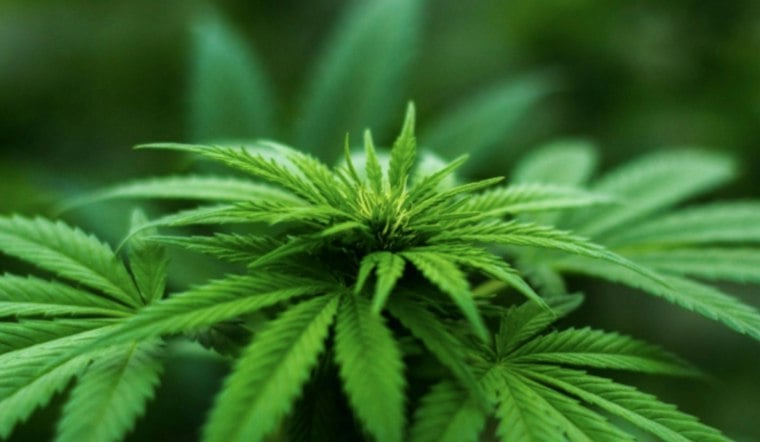
Kentucky patients in every part of the state can now legally buy medical cannabis, after a dispensary opened Monday in Prestonsburg and completed coverage across all 11 of the state's licensing regions. The milestone comes less than two years after Kentucky legalized medical marijuana at the start of 2025, and it means patients from the mountains of eastern Kentucky to the state's urban centers now have a licensed dispensary somewhere in their region.
The newly opened Sunnyside dispensary in Prestonsburg serves Region 6, known as the Mountain region, and its launch brought the statewide total to 26 operating dispensary facilities, according to WHAS11. Governor Andy Beshear announced the development, framing it as the completion of a deliberate rollout designed to reach patients in every region rather than concentrate access in a handful of cities.
“Kentuckians suffering from PTSD, cancer, terminal illnesses, sickle cell anemia and more deserve a safe, non-addictive relief option, and medical cannabis provides one,” Beshear said in a release, per the station's report. He added that with dispensaries now open in all 11 licensing regions, “the process put patients first,” the governor said in the same release.
How the Regional Rollout Was Built to Avoid Concentration
The geographic spread didn't happen by accident. State rules capped Kentucky's initial dispensary licenses at 48 spread across those 11 regions, guaranteeing each region at least four dispensaries while generally limiting counties to a single location, with exceptions carved out for Fayette and Jefferson counties, according to the Kentucky Office of Medical Cannabis. Winners were determined through lotteries run by the Kentucky Lottery Corporation, a structure meant to prevent any single metro area from cornering the new market.
Demand for those licenses was intense from the start. When business applications closed in August 2024, the state had received 4,998 total applications, including 4,076 for dispensary licenses alone, as reported by AP News. That crush of applicants underscored how much commercial interest the program drew even before a single dispensary opened.
Patient Enrollment and Expanded Eligibility
Kentucky now has 46 medical cannabis businesses up and running and has registered more than 500 medical cannabis practitioners, per WHAS11's reporting. More than 28,000 Kentuckians have been approved for medical cannabis cards since the program launched.
That patient pool grew significantly in June 2026, when Beshear signed an executive decision clarifying qualifying medical conditions and recognizing 15 additional ones, including sickle cell anemia, ALS, Crohn's disease, Parkinson's disease and terminal illness, the station's report notes. Voters had already signaled strong support for the program's expansion into their communities: in the November 2024 general election, residents in all 106 Kentucky counties and municipalities that placed local referendums on their ballots voted to allow medical cannabis businesses to operate locally, according to WEKU.
Strict Rules Still Govern How Patients Can Use It
Access doesn't mean anything-goes. Under Senate Bill 47, enacted in March 2023, Kentucky law prohibits smoking raw cannabis flower; vaporization products may be sold only to cardholders 21 and older, and every raw plant package sold in the state must carry a label stating it is not intended for consumption by smoking, according to the Kentucky Medical Cannabis Program. Patients between 18 and 20 are limited to non-vaporized forms like tinctures or edibles, since vaporized products are reserved for cardholders 21 and up.
Potency and purchase limits are also tightly controlled. State rules cap THC concentration at 35% for raw flower and 70% for concentrates, limit infused edibles to 10 mg of THC per serving, and restrict registered cardholders to a 30-day supply of up to 112 grams of raw flower equivalent, according to cannabiskentucky.org.
The program's reach also stops at certain institutional doors. Public universities including Western Kentucky University maintain complete campus-wide bans on all cannabis products, including state-legal medical marijuana, in order to comply with federal funding requirements under the Drug-Free Schools and Communities Act, the university notes, since federal law still classifies marijuana as a Schedule I controlled substance. Schools can opt out of participating in medical cannabis administration for students. Separately, legislation moved the business licensing timeline up six months, with applications running from July to August.
For residents trying to navigate qualifying conditions, participating providers or the application process, WHAS11 points to kymedcan.ky.gov as the state's resource hub.





