

























































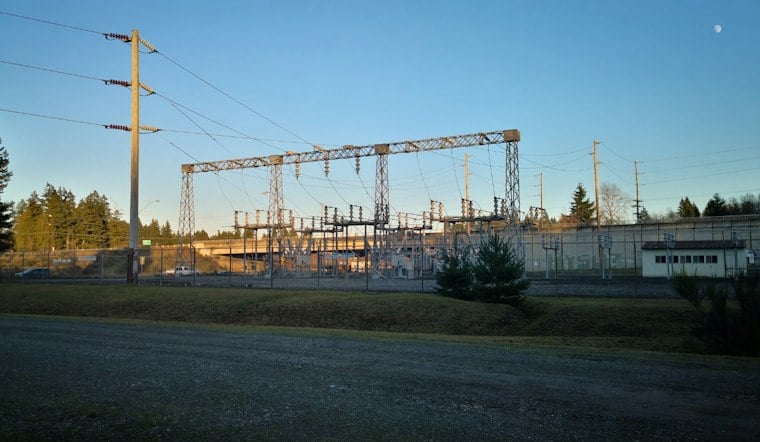
A power outage knocked out electricity to around 2,375 Puget Sound Energy customers across Kirkland, Washington, starting around 6:20 a.m. Wednesday, and PSE revised its restoration estimate once during the morning. As of late morning, the cause of the outage remained under investigation.
According to FOX 13 Seattle, PSE first estimated power would be back by 11 a.m., an update issued around 8:15 a.m. Roughly a half hour later, the estimate changed to noon. An outage map screenshot included in the station's report, timestamped 8:55 a.m. Pacific time, showed the scope of the disruption still playing out in real time.
Utility crews were both assessing the outage and investigating its cause simultaneously, per the same report, a process that typically determines how quickly estimated restoration windows can firm up. According to PSE, the utility serves about 1.26 million electric customers and 900,000 natural gas customers across 10 counties and has 27,000 miles of power lines; its service area is primarily in Western Washington.
How PSE Decides What Gets Fixed First
Outage response can involve hospitals, life-safety issues, infrastructure and neighborhoods. PSE has a training facility in Puyallup, and electrical linemen serve its 27,000 miles of lines. Crews were assessing the outage in Kirkland.
Hoodline reported Tuesday that an early-morning outage hit nearly 750 PSE customers in Lakewood's Tillicum neighborhood near Harry Todd Park.
PSE Seeks Rate Increase
The Center Square reported this month that PSE is now seeking state regulatory approval for a multi-billion-dollar rate increase spread over three years, which the utility attributes to necessary infrastructure investments and compliance with state clean-energy mandates.
What Kirkland Residents Should Do Right Now
Kirkland residents can monitor PSE's digital outage map for updates.
PSE's voluntary thermostat demand-response program allows it to remotely adjust customer smart thermostats during peak demand periods, a load-management tool that could spare the utility roughly $500,000 an hour by avoiding expensive wholesale power purchases.





