

























































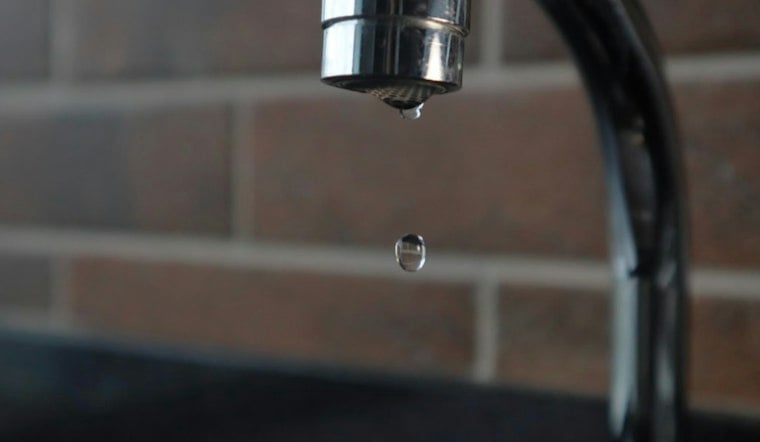
For three months, Ann Rose had no water coming out of the spring that serves her home near Lansing. She flushed her toilet with water hauled from Big Horse Creek and showered at a friend's house, waiting for the ground to give something back after Hurricane Helene tore through the mountains.
Rose's spring is her only source of water, and she said it began drying up after Helene hit, according to Spectrum News 1. The outlet reports her spring was completely dry for three months before water returned following heavy rainfall last weekend — a brief reprieve in a crisis that has stretched on far longer than anyone in Lansing expected.
Rose isn't alone. She told the station that 55 of her neighbors went without water for two months, and that springs and wells across the area have either dried up entirely or started producing dirty, silty water in the aftermath of the storm. The shortage, per the same report, has hit residents throughout Lansing and across the county.
Creek Water, Borrowed Showers, and a Tanker Truck
With no spring water to draw on, Rose turned to Big Horse Creek to meet basic household needs, using it to flush her toilet while showering at a friend's house instead. She eventually reached out to Baptists on Mission for help, and the group responded by delivering a tanker to the area along with three pallets of bottled water to her property, the station's report notes. She said a dozen people came to her property seeking water once word got out.
The town of Lansing has since filled a tanker with potable water that residents can collect, and people have been using tanks with capacities of 100 or 200 gallons to refill their home reservoirs. The Lansing mayor plans to keep filling the tanker until it's no longer needed, but the assistance is explicitly temporary — and Rose said water sources could dry up again within just a few days.
Why a New Well Isn't a Simple Fix
Rose said drilling a new well isn't an option for her. She's received three estimates for the work, all coming in around $22,000. That figure tracks with broader costs reported across the region: according to North Carolina Health News, a 300-foot well runs about $18,000 on average, while a 600-foot well can cost as much as $28,000, and wells in the region can need to go as deep as 1,400 feet. The same outlet reported that demand for wells in Buncombe County spiked so sharply after Helene that one driller had a roughly nine-month waiting list, with more than 100 well-drilling permits filed in that county in just two weeks in October 2024.
Drought Deepens an Already Fragile Water Supply
Rose's situation didn't happen in isolation. Western North Carolina has been locked in severe to extreme drought for months, compounding the damage Helene did to the region's springs and wells. The North Carolina State Climate Office reported that more than 40% of the state was in Extreme Drought as of late April, with precipitation deficits exceeding 12 inches across almost the entire state since a dry spell that began in late summer 2025. Twenty of the state's 85 Drought Indicator Wells were sitting at record-low monthly levels, and streamflows were at record lows for the time of year at nearly all monitoring gauges statewide.
Closer to Lansing, Ashe County has been listed in severe drought, with part of the county reaching the extreme category, according to the Ashe Post and Times. The paper also noted that reservoirs across the state have remained below normal, per the U.S. Army Corps of Engineers. Blue Ridge Public Radio reported that the entire western region had reached extreme drought by late April, and state water officials warned that shallow wells like the kind many mountain residents rely on may begin operating sporadically or stop producing altogether if dry conditions persist. Climatologists said the region would need consistently 1 to 2 inches of rain per week just to begin turning the drought around, and state officials have said it would take several months of above-normal precipitation to make a meaningful dent.
For now, Rose and her neighbors are left watching the sky and the tanker schedule in equal measure. The water she's collecting today may not be there tomorrow, and the fix everyone keeps mentioning — a new well — remains out of financial reach for people already worn down by a year of back-to-back disasters.




