

























































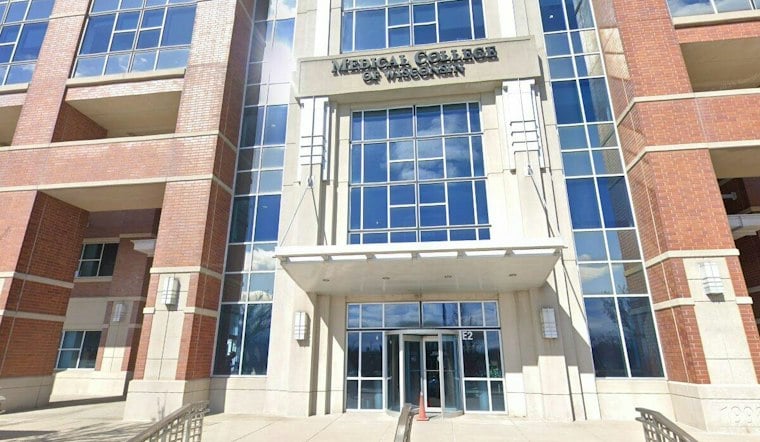
A conservative legal group filed suit on Thursday, challenging a Wisconsin law that ties state funding for the Medical College of Wisconsin to a requirement that at least 5 percent of its students be minorities. The Wisconsin Institute for Law & Liberty brought the case on behalf of taxpayer group Citizens Defending Liberty, naming Higher Educational Aids Board Executive Secretary Tammie DeVooght Blaney and the board itself as defendants.
The lawsuit targets language in Wis. Stat. § 39.15(1)(c), which requires the college to make every effort to ensure minority students make up at least 5 percent of total enrollment as a condition of receiving state medical education appropriations, according to the Wisconsin Legislature. As reported by the Milwaukee Business Journal, the Medical College of Wisconsin is budgeted to receive nearly $14 million in state funding for the 2026-2027 academic year to support medical education, teaching, and research programs — money the lawsuit argues is illegally conditioned on a racial quota.
A Precedent Four Months in the Making
In June, the Wisconsin Supreme Court unanimously struck down a 41-year-old state minority college grant program in Rabiebna v. Higher Educational Aids Board, finding it violated the Equal Protection Clause of the 14th Amendment, per Hoodline's earlier coverage. The Medical College of Wisconsin enrollment quota is nearly identical to the program the court struck down.
Warning Letter Came First
Before filing suit, WILL called on Governor Tony Evers, the Higher Educational Aids Board, and the Medical College of Wisconsin to voluntarily suspend the 5 percent enrollment requirement. WILL also argued that race-based conditions worsen a looming state physician shortage.
Federal Funding Raises the Stakes
The college also received more than $428 million in federal funding during fiscal year 2025, and WILL contends the quota may implicate Title VI and create potential federal civil rights liability if race-based admissions criteria are maintained, according to The Center Square. WILL argues that this raises compliance risks beyond the state court case itself, per the group's own filing summary at WILL's website.
This is not WILL's only active challenge to race-conscious policy in Wisconsin higher education. In July, the firm and Citizens Defending Liberty filed a separate lawsuit against UW-Madison over race-based scholarships, the Milwaukee Business Journal reported, with UW-Madison officials announcing they would defend their aid matching policies in court.
The Medical College of Wisconsin case lands squarely in the tension between a state statute written decades ago to build a more diverse physician workforce and a legal landscape now shaped by stricter constitutional limits on race-conscious government action. How Waukesha County Circuit Court weighs that history against the state Supreme Court's June ruling will determine whether millions in state funding for the college, and the enrollment rule attached to it, survive.





