

























































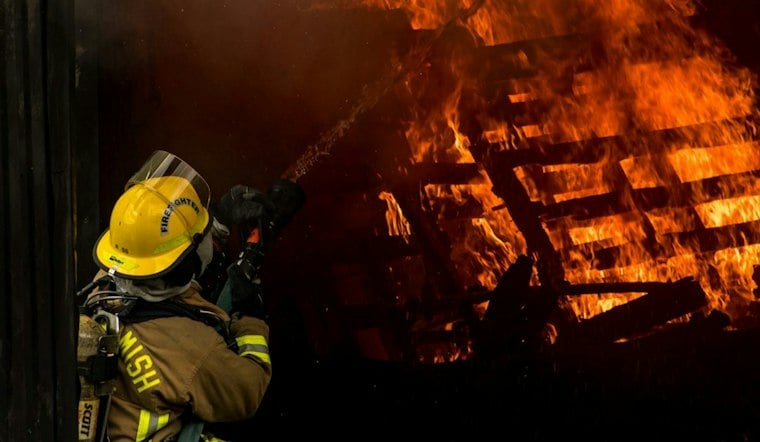
A single overheating battery sent 55 employees scrambling out of the Centennial UPS building Monday night after callers reported a package smoking and sparking inside the massive distribution center. Firefighters arrived at 13101 James E. Casey Ave. around 9 p.m. to find a lithium-ion battery had ignited and was off-gassing toxic chemicals into the building, and one person was taken to the hospital on a non-emergent basis.
South Metro Fire Rescue reported that crews had the fire knocked down in under 10 minutes, according to a department post relayed by FOX31 Denver. No other injuries were reported. Firefighters ventilated the building, removed the battery and overpacked it for safe handling, and the property was handed back to management around 11 p.m. that night.
Background reporting from 9News Denver notes that Denver-area shipping facilities typically add thousands of seasonal handlers each October to prepare for the holiday parcel crush. That seasonal ramp-up means more packages, and more potential battery hazards, moving through the region at the exact time of year when volume peaks.
Why a Single Package Can Clear a Building
The danger from a single damaged cell is not just fire — it is what the fire releases into the air. During thermal runaway, lithium-ion batteries off-gas toxic compounds including hydrogen fluoride, carbon monoxide, and phosphoryl fluoride, compounds capable of causing severe respiratory damage and systemic toxicity, per research compiled by the CDC and BUNCKER Safety Engineering. Hydrogen fluoride is invisible, and its health effects can surface hours after exposure, which helps explain why a seemingly contained fire still forced a full evacuation and a hospital trip.
The hazard did not end when the flames went out. Firefighters' bunker gear needed special cleaning because it was exposed to the fumes, South Metro Fire Rescue said.
A Pattern of Battery Emergencies in Centennial
This was not South Metro Fire Rescue's first brush with a lithium-ion emergency this month. Just 13 days earlier, on October 6, the department responded to an electric vehicle battery thermal runaway fire on Arapahoe Road in Centennial that triggered a half-mile shelter-in-place order, as Hoodline reported at the time. The UPS facility itself has also seen major emergency responses before: South Metro Fire Rescue's incident archives show a prior second-alarm structure fire at the same James E. Casey Avenue building.
The timing adds an uncomfortable backdrop to Fire Prevention Week, which ran October 4–10 in 2026 under the theme “Charge into Fire Safety.” The Centennial incidents have given that message an unusually sharp edge.
Safety Guidance and the Regulatory Backdrop
South Metro Fire Rescue urged residents to move away and call 911 immediately if a lithium-ion battery smokes, sparks, swells, makes unusual noises, or gives off a strong odor. The department also advised never charging damaged batteries, never charging batteries near an exit, and never throwing batteries in the trash, instead directing people to battery recycling or hazardous waste collection sites. Damaged, defective, or improperly handled batteries can enter thermal runaway, which can result in fire, explosion, and the release of hazardous gases, the department said in its press release. Firefighters recommended buying batteries only from nationally recognized testing labs and using manufacturer-approved chargers.
Federal rules add another layer of scrutiny to how lithium-ion batteries are shipped. Under 49 CFR § 173.185, shippers must follow applicable requirements for transporting lithium-ion batteries.
Colorado has also moved to tighten the rules at the state level. House Bill 25-1197, enacted in August 2025, established statutory safety certification standards for lithium-ion batteries sold in the state, aimed at curbing fire risks tied to uncertified cells, according to the Colorado General Assembly and Velosurance — the same legislative backdrop Hoodline noted in its coverage of a fatal e-bike crash in the metro area last month.





