

























































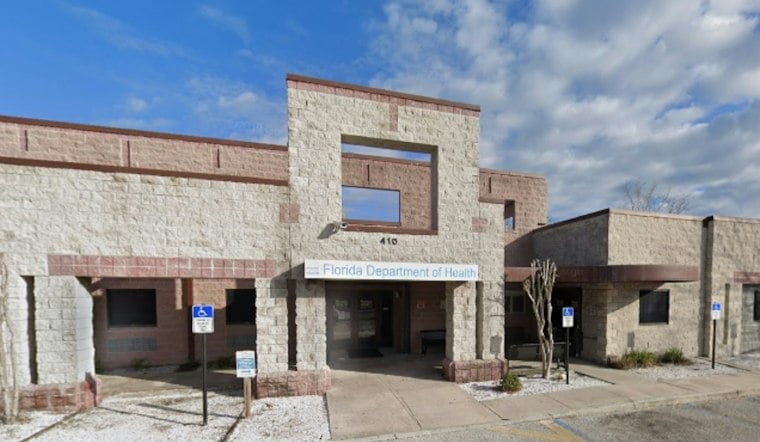
Several sentinel chickens in Manatee County have tested positive for West Nile virus, prompting the Florida Department of Health in Manatee County to issue a mosquito-borne illness advisory this week. The finding has health officials coordinating closely with local mosquito control crews as they ramp up monitoring across the county.
The health department confirmed it is working with Manatee County Mosquito Control on surveillance and prevention efforts following the positive tests, according to mysuncoast.com. The two agencies are conducting mosquito-borne illness surveillance and source reduction together, part of a broader, year-round effort to keep tabs on viruses that can spread through mosquito bites, as Your Observer first reported.
How the Sentinel Chicken System Works
Manatee County Mosquito Control uses flocks of sentinel chickens as an early warning system, monitoring them for St. Louis encephalitis, eastern equine encephalitis and West Nile virus, according to Manatee County Mosquito Control. Crews visit the chicken flocks every week, drawing blood samples that get sent off for virus-antibody analysis, the district explains on its site.
When antibodies show up in the chickens, the district doesn't just note it and move on — it ramps up the tempo of its surveillance to figure out where the virus might be spreading next, per the same account. Mosquitoes collected near infected bird sites get shipped to the State Epidemiology Lab for Polymerase Chain Reaction analysis, which helps identify exactly which mosquito species is carrying the virus.
From April through November, the district also sets out light traps baited with three pounds of dry ice to track adult mosquito populations, and inspectors check known mosquito habitats every single day for larvae, treating them with larvicide or flagging them for helicopter treatment when needed, the district's report notes.
A Statewide Pattern, Not an Isolated Case
Manatee County is not alone. Comparable advisories have gone out this year in Martin County, where the local health department and Martin County Mosquito Control also reported several sentinel chickens testing positive for West Nile virus and responded with enhanced monitoring and targeted mosquito treatment, according to wflx.com. Brevard County issued a similar advisory after several of its own sentinel chickens tested positive.
The Florida Department of Health maintains statewide surveillance for a range of mosquito-borne illnesses, including West Nile virus, Eastern equine encephalitis, St. Louis encephalitis, malaria, chikungunya and dengue. Statewide, six positive West Nile virus samples have been reported this year, including one human case in Alachua County during the week of Sept. 20-26, according to the Herald-Tribune.
Dengue Numbers Climb Statewide
Dengue fever has also been surging across Florida this year. The state had recorded 252 locally acquired dengue cases as of Sept. 26, surpassing the previous recent high of 199 cases set in 2023, the Herald-Tribune reported, with 62 new locally acquired cases logged in just one week. Hillsborough County, which sits north of Manatee County, led the state with 223 confirmed cases and recorded one dengue-related death this year.
Hillsborough County Administrator Bonnie Wise oversaw an extension of a local emergency order concerning mosquito populations, according to Your Observer. Dengue fever can cause flu-like symptoms and serious joint pain, though some patients experience no illness at all.
What Residents Can Do
Health officials are urging residents to take basic precautions as the advisory plays out. People with fever, chills, sweats, nausea, vomiting or headache should seek immediate medical attention, according to wflx.com. Officials also recommend applying insect repellent according to label directions, eliminating standing water around the home, maintaining screened windows, using air conditioning to keep doors and windows closed, and avoiding outdoor activity around sunrise and sunset, per the Herald-Tribune's reporting on statewide guidance.
It doesn't take much standing water to create a mosquito problem — as little as one bottle cap's worth left for more than a week is enough for mosquitoes to multiply, according to wflx.com. Residents are also encouraged to report dead birds to the Florida Fish and Wildlife Conservation Commission, since bird die-offs can be another signal that a mosquito-borne virus is circulating nearby.




