

























































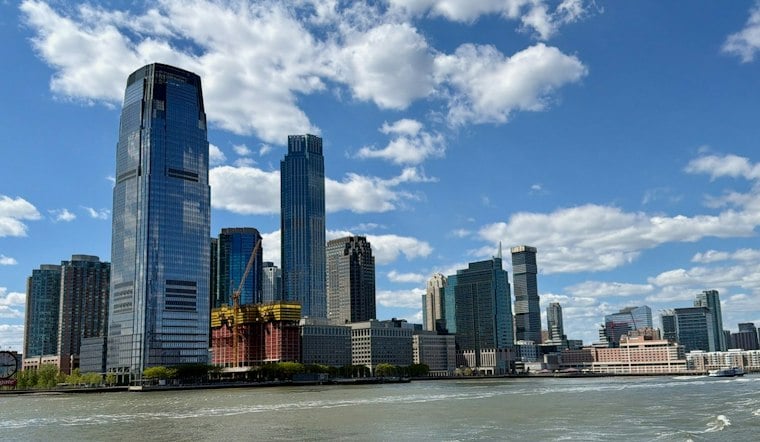
New York City's only swim-bike-run event is back on the calendar this Saturday, pulling about 1,300 endurance athletes into the Hudson River, up the West Side Highway and through Central Park under a rebranded name and a new organizer hoping to finally break a cycle of canceled swims and shortened courses. The longest-distance race includes nearly a mile of swimming, 25 miles of biking and 6.2 miles of running, with competitors paying between $350 and $625 to take part.
The event, now called the Big Apple Triathlon, was known for two decades as the New York City Triathlon before this year's rebrand, according to the New York Post. The race has existed since 2001, and under its previous operator, Life Time, it drew up to 4,000 participants at its peak before persistent cancellations and date disputes took hold, according to Triathlete magazine. Life Time sold the race to another organizer in 2023, the Post reports, and the event went dormant for two years before this weekend's comeback.
A History of Heat, Floods and Shortened Courses
The race's recent history reads like a list of weather casualties. Every edition since 2017 has seen shortened runs, shortened bike routes or canceled swims, per the Post's reporting. Extreme heat forced organizers to cancel the entire event in July 2019. In 2022, a forecast in the 90s led organizers to cut bike and run distances by at least half, and water-quality concerns forced swim cancellations and run-bike-run reroutes in both 2021 and 2023, per the Post. The race didn't even open to registrants in 2024, after organizers and the city failed to agree on a viable date.
Those water-quality scares trace back to New York City's aging sewage infrastructure. Heavy rainfall overwhelms the city's combined sewer system, pushing it past treatment plant capacity and triggering combined sewer overflows that send untreated wastewater and elevated bacteria straight into the Hudson River, according to a 2021 report from Freshkills Park. The Post notes that heavy rainfall increases contamination risks in the Hudson for this same reason, which is part of why swimming in the river is discouraged outside of organized, monitored events.
New Organizer, New Date, Same River
This year's race is run by Alpha Win, a Saugerties-based company led by CEO and race director Tommy Struzzieri, who has produced more than 200 races since 2010, according to the Post. The company moved the event to an early fall date, a shift that followed the pattern Triathlete documented of organizers abandoning the mid-summer slot that had proven so vulnerable to heat waves. Alpha Win's official event schedule requires all participants to stage their bicycles Friday at Riverside Park's 101st Street Field, with the transition area opening at 5 a.m. on race morning.
Alpha Win also expanded the race's offerings this year, adding a USA Triathlon Draft-Legal Sprint Cup alongside existing Olympic, Sprint, Duathlon, Aquabike and Relay divisions, per the company's own event listings. The event is sanctioned by USA Triathlon, according to race listings on Let's Do This. Roughly half of this year's competitors are traveling from outside New York City, the Post reports, and on-site rental outfit Unlimited Biking has set up bike delivery at the Riverside Park transition area and pickup at the Central Park finish line to accommodate them.
Shutting Down the West Side Highway
Hosting the race in Manhattan is itself a logistical feat. The cycling route uses a closed stretch of the West Side Highway, CBS New York reported back in 2023 when covering an earlier edition of the race. The Post notes the event requires approvals from city, state and federal authorities before organizers can even open registration.
The swim itself follows the Hudson River's natural rhythm. The river is a tidal estuary that flows both north and south in recurring tide cycles, and the triathlon's swim route is designed to head north with the current, per the Post. Organizers mark the swim's start and end with man-made barges, and a safety flotilla of 60 lifeguards on paddleboards, along with FDNY and NYPD boats, paramedics and rescue divers, protects the swim lane from marine traffic and stands ready to pull distressed swimmers from the water.
The Medical Stakes of an Open-Water Swim
The precautions reflect the care taken around the open-water swim. New York Harbor's water quality has improved dramatically over the decades — fecal coliform bacteria has dropped 95% since 1970, per a 2007 report cited by the Post — and groups like the Billion Oyster Project have contributed to the city's improving water ecology. Still, the city's Department of Environmental Protection has been testing the Hudson for months ahead of Saturday, and Alpha Win has consulted an on-site meteorologist for weeks to track conditions.
Struzzieri told the Post on Monday that the sky had stayed dry for days, saying, “So far, so good.”
Local Athletes Prepare for the Comeback
The race's return has drawn renewed interest from the city's triathlon community. Alpha Win partnered with the local Empire Tri Club to offer a 12-week preparation program along with open-water swim clinics at Coney Island ahead of race day. Matt Stern, a 32-year-old Manhattan attorney who raced the event in 2023, has since become an Ironman finisher and Empire Tri Club member, per the Post's reporting — part of a local open-water swimming culture that groups like Urban Swim support by guiding roughly 200 swimmers through local events each year.
For now, the forecast and the river itself appear to be cooperating, a rare bit of good fortune for a race that has spent most of the last decade fighting both.



