

























































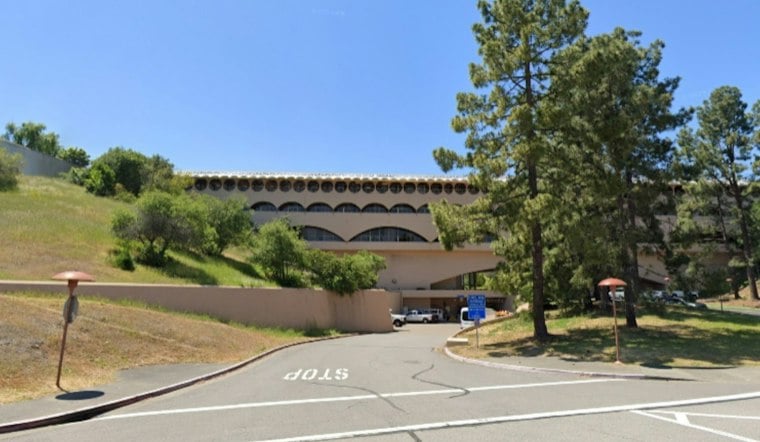
A three-year civil harassment restraining order now bars Tamalpais Union High School District trustee Kevin Saavedra from contacting parent Ina Gotlieb or her child by electronic, written, oral or physical means. The order, issued October 8 by Marin County Superior Court Judge Mark Talamantes, also prohibits Saavedra from possessing firearms, according to the Marin Independent Journal.
The case puts a court-imposed limit on a trustee’s conduct toward a constituent at the center of a school-board election campaign. Saavedra is seeking reelection on November 3, when seven candidates are competing for three districtwide seats, The Ark reported. The restraining order is a judicial remedy in one individual case; it does not decide the election or determine how voters should assess the candidates.
What the order addresses
Gotlieb sought the order after a series of communications that she described as harassment and intimidation. Reports by SFGATE and EdSource say Saavedra contacted her through both his district email and campaign account, including messages that referred to asking her neighbors about her. At the hearing, the judge criticized Saavedra’s use of his official account to communicate with a parent. The order’s no-contact terms now prohibit further contact through those channels as well as in person.
The dispute began after a November school-board meeting about a proposal to move Tamiscal High School’s independent-study program onto the San Andreas High School campus. Gotlieb objected to a one-minute limit on public comments; she later apologized to trustee Cynthia Roenisch for an insulting email she sent Roenisch after the meeting. Roenisch shared that message with Saavedra, who then sent Gotlieb profane messages, according to the Marin Independent Journal and SFGATE and EdSource. Gotlieb has said she did not know of a family member’s death by suicide that Saavedra believed was relevant to her email.
California’s civil harassment procedure requires clear and convincing evidence of unlawful harassment before a court may issue an order, according to the California courts’ civil harassment guidance. That legal standard describes what must be shown to obtain this type of order; it does not establish a broader finding about school trustees or public officials.
A broader governance context, with limits
Conflict involving school-board members has also been documented nationally, though the available survey evidence is broader than—and cannot explain—this case. Education Week, reporting on a Brookings survey analysis, found that 44% of surveyed school-board members reported at least one conflict-related incident between 2020 and 2022. The finding covers reported incidents across the survey period; it does not show that Saavedra’s conduct reflects a national trend or establish what happened in Marin.
A separate legal precedent helps distinguish court orders from political responses by elected boards. In 2022, the U.S. Supreme Court held that a Texas community-college trustee had no actionable First Amendment claim arising from the board’s purely verbal censure. That decision concerned censure—not removal—and a different board and dispute. It does not determine the scope or effect of the restraining order against Saavedra.
The Tamalpais Union district serves more than 4,200 students in southern Marin County, across three comprehensive high schools and two alternative high schools, according to Mill Valley Briefing. The upcoming vote will determine who holds the district’s open trustee seats; the court order separately sets the contact restrictions Saavedra must follow. The reports cited here do not establish how the board or voters will respond.





