

























































Metro riders could soon be paying as much as $7.50 for the system's longest Metrorail trips under a fare increase proposal that would raise rates across rail, bus, and paratransit service by roughly 11 percent starting next summer. The lowest Metrorail fare would climb from $2.25 to $2.50, while Metrobus's base fare would see the same 25-cent bump, with intermediate rail fares rising by a similar percentage along the way.
An 11 Percent Hike Tied to Rising Costs
According to WJLA, Metro has attributed the proposed increase to inflation, and the WMATA Board of Directors is expected to decide whether to send the plan to a public hearing this winter, where riders would be able to weigh in before any final vote. If approved, the higher fares would take effect July 1, 2027, marking Metro's first systemwide increase since it last raised fares in summer 2024. That 2024 action brought an average 12.5 percent increase across bus and rail to help close a projected $750 million budget gap for fiscal year 2025, according to The Washington Sun.
Because Metrorail fares are distance-based, the increase would not land evenly. The system's maximum fare, currently $6.75 for its longest trips, would rise to $7.50, while shorter rides would see smaller dollar increases even as the percentage bump stays consistent. Metro reportedly weighed scrapping that distance-based model altogether: per the same WMATA board materials cited in a discussion on r/WMATA, a revenue-neutral flat fare across Metrorail would need to be set at $4.40, compared to today's $3.04 average rail fare — a jump officials ultimately rejected because it would have hit short urban trips hardest while discounting long suburban commutes.
Off-Peak Riders Could Pay More Too
Metro's reduced weekend and late-weekday fares, currently $2.25 to $2.50, would rise to between $2.50 and $2.80 under the base proposal, and the agency stopped offering discounted off-peak Metrorail pricing altogether back in summer 2023. Transit officials are reportedly weighing four separate options for how far weekend and late-night fare caps should go, ranging from holding the current $2.50 cap — at an estimated cost of $3.4 million — to raising it as high as $3.75 for both weekends and late nights to bring in roughly $7 million more, per the r/WMATA discussion of board materials.
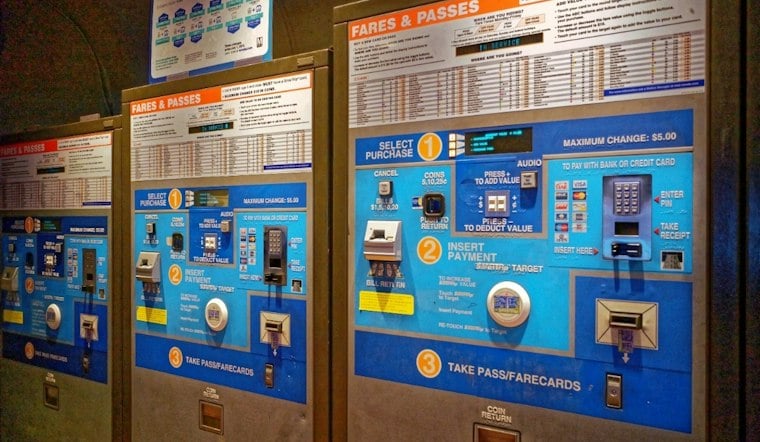
The fare debate arrives as Metro continues pushing riders toward digital payment and away from legacy infrastructure. The WMATA Board approved a $93.5 million contract package with Indra USA and Cubic this past April to replace aging fare vending machines with modern terminals while trimming the number of physical kiosks in stations, and the board is scheduled to vote Thursday on a related plan to eliminate fare vending machines altogether.
Youth Fares and Low-Income Discounts Could Expand
To soften the blow for some riders, Metro is proposing free bus and rail trips for all young people ages 5 to 18 across D.C., Maryland, and Virginia. D.C. already funds its own Kids Ride Free program for most youth, so the change would primarily benefit young riders in Maryland and Virginia, according to WJLA's reporting. The Washington Sun separately reports the universal youth program would cost roughly $7 million annually split evenly between Maryland and Virginia — WJLA puts each state's share at an estimated $3.5 million in extra subsidies — while generating approximately 900,000 new passenger trips.
Metro also plans to keep its existing discount programs intact, continuing half-price fares for riders 65 and older, for SNAP recipients, and for riders with a disability card. As of June 2026, roughly 77,000 riders actively used senior SmarTrip cards, 15,000 used disability cards, and 6,000 SNAP recipients used the Metro Lift program, which currently offers reduced fares to SNAP recipients across D.C., Maryland, and Virginia. Metro is also weighing whether to expand Metro Lift eligibility beyond SNAP recipients to include people enrolled in Medicaid, TANF, and WIC — a change that, per the r/WMATA discussion, could add roughly 50 percent more potential enrollees through Medicaid alone at an estimated cost of $300,000.
Revenue Gains Come With a Ridership Cost
Board documents cited by The Washington Sun project the 11.1 percent fare hike would generate between $40 million and $45 million in additional annual revenue — but also result in an estimated 8 million fewer passenger trips systemwide, a trade-off that underscores the balancing act facing transit planners as they try to shore up Metro's finances without driving riders away entirely.
Metro is also looking beyond fares for revenue. The agency has proposed restructuring commuter parking into a simplified three-tier system charging $3, $5, or $7 per day depending on station usage, while raising non-rider parking rates to between $10 and $15 to generate an additional $2.3 million, according to the r/WMATA discussion of board documents.
Fare Evasion Remains a Backdrop to the Debate
The proposed hikes follow years of Metro efforts to recapture revenue lost to fare evasion. In September 2024, the transit agency completed installation of more than 1,200 five-foot-tall faregates across all 98 Metrorail stations, a project that reduced rail fare evasion by 82 percent and addressed an estimated $40 million in annual losses from unpaid rail trips. Bus fare collection has proven tougher to fix: WMATA previously reported that about 70 percent of Metrobus riders did not pay their fares in 2024, though General Manager Randy Clarke said in August that bus fare evasion had declined by 10 to 12 percent since the agency launched a targeted enforcement campaign, as reported by The Washington Post.
Hoodline has previously covered bus fare tensions tied to WMATA's fare-collection policies, underscoring how enforcement and pricing changes can ripple into day-to-day friction for both riders and operators. Whether suburban jurisdictions in Maryland and Virginia embrace the added subsidy costs tied to programs like universal youth fares — and whether higher long-distance fares push some suburban commuters back into their cars — remains to be seen as the proposal heads toward a public hearing this winter.



