

























































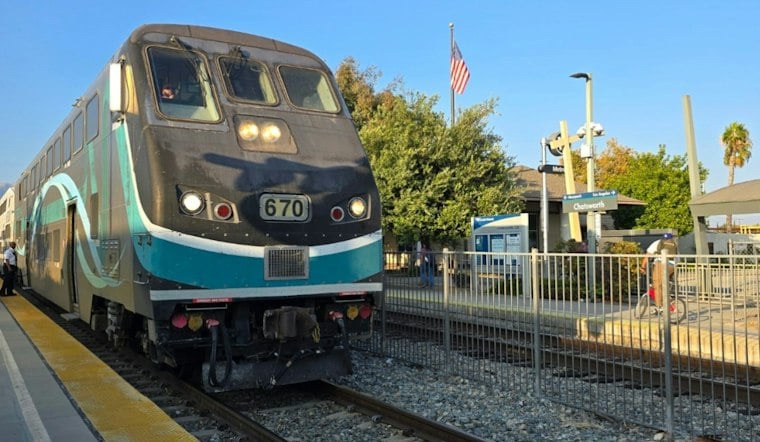
Southern California's Metrolink commuter rail system raises fares by as much as 27% starting Monday, its first increase in 13 years, just as a former top executive's lawsuit alleges the agency let unsafe, poorly maintained trains keep running. The SoCal Day Pass climbs from $15 to $19, the weekend or holiday SoCal Day Pass rises from $10 to $12, monthly-pass changes are slight and depend on the fare calculation, and one-way fares increase 14% depending on distance traveled.
The increases take effect October 5, according to the Los Angeles Times, which reports that Metrolink Chief Executive Darren Kettle said the agency has worked hard to keep fares affordable while operating and maintenance costs have risen, and that the pricing adjustments support the system's long-term financial sustainability. Metrolink officials attributed the hikes to declining state and federal funding, pandemic-driven ridership losses, and rising operating costs, per the same report. The agency, which operates a budget of more than $350 million and serves average weekday ridership topping 23,000 with roughly 235,000 weekend riders, is run by the Southern California Regional Rail Authority, whose member counties include Los Angeles, Orange, Riverside, San Bernardino and Ventura.
Not everyone welcomes the increase. Adriana Rizzo said Metrolink is in crisis because of budget cuts and lacks transparency and oversight, the Times reported. Ara Najarian, who serves on the boards of both Metrolink and L.A. Metro, said Metro faces difficult financial times and cannot simply provide unlimited funding to Metrolink — a tension playing out as L.A. Metro, which operates bus, light rail and subway lines across Los Angeles County and helps fund Metrolink's budget, weighs its own contribution levels.
Most Single Riders Face Modest Hikes, Data Shows
Despite the headline 27% figure, the pain won't be evenly spread. Nearly 80% of single one-way ticket purchases will rise by $1 or less, while less than 1% of fare routes will see increases exceeding $2, according to fare distribution data reported by Trains Magazine. The Metrolink Board of Directors approved the fare changes and voted to make its simplified fare structure permanent at a June 26 board meeting, per Metrolink's own board documentation.
Some equity measures survive the overhaul. Metrolink is freezing the price of its $5 L.A. Zone Day Pass and keeping its Mobility-4-All policy, which gives California EBT cardholders a 50% discount on tickets bought at station vending machines, according to Secret Los Angeles. Riders should also note that Metrolink is discontinuing its Print-at-Home paper ticket option on the same date, per Deep Arrival, pushing all customers toward the mobile app or station kiosks.
Whistleblower Lawsuit Alleges Unsafe, Unmaintained Trains
The fare increase lands amid serious allegations about the condition of Metrolink's fleet. A former Metrolink executive filed a lawsuit alleging unsafe equipment and inadequate maintenance after being fired earlier this year, claiming the agency failed to properly maintain parts and endangered riders and employees, per the Los Angeles Times. The suit alleges maintenance issues led to at least one collision and two train breakdowns that stranded hundreds of travelers.
That former executive is Donald Filippi, Metrolink's ex-chief operating officer, who filed his whistleblower retaliation lawsuit in Los Angeles Superior Court on September 15, alleging he was fired on June 2 after repeatedly warning CEO Darren Kettle about unsafe aging rail equipment, including an incident in which more than 400 passengers were stranded in a hot, unventilated tunnel, according to MyNewsLA.com. Before suing, Filippi had submitted an administrative retaliation claim against the Southern California Regional Rail Authority, which the agency's claims administrator formally rejected for lacking good faith or reasonable cause, the Los Angeles Times reported.
In response to the broader allegations, the L.A. Metro board approved an audit into Metrolink's parts and decision-making practices in September. Kathryn Barger, an L.A. County supervisor and Metro board member, said mechanical issues have undermined Metrolink's reliability and rider confidence, per the Times. The equipment troubles aren't new: Hoodline previously reported on Metrolink's cuts to weekday service by 20% in March, a reduction forced by recurring mechanical failures and a critical shortage of spare parts for its 40 EMD F125 locomotives. Those cuts were extended indefinitely in April, according to Trains Magazine.
Aging Fleet Meets a Funding Squeeze
Metrolink's original fleet of passenger coach cars and locomotives, purchased in 1992 and 1993, reached 30 years of operational service without receiving comprehensive midlife overhauls, according to Metrolink's own capital assets reporting — a gap that compounds the equipment reliability problems now at the center of the lawsuit and the forthcoming audit.
Money remains the agency's other core problem. L.A. Metro has funded about $137 million of Metrolink's budget but has proposed a 3% reduction, which Metro staff say is based on Metrolink's surplus, per the Los Angeles Times. Metrolink also faces cuts from the Orange County Transportation Authority, which approved just $10.5 million in second-quarter funding on September 28 — short of Metrolink's requested $12.5 million — while demanding the rail agency stay within a $46 million annual funding cap, according to LAist. OCTA's position reflects post-pandemic ridership still sitting at roughly two-thirds of pre-COVID levels and the depletion of one-time federal pandemic relief funds, the outlet reported.
Metrolink has been rolling out service reductions and seeking emergency external funding to stave off deeper systemic cuts, amid an estimated $15 million annual core fare shortfall and a larger projected deficit. Whether that combination of fare hikes and internal cuts will be enough to balance the agency's budget without further service reductions remains an open question, as does how L.A. Metro's upcoming audit will address the safety and maintenance allegations raised in Filippi's lawsuit.


