

























































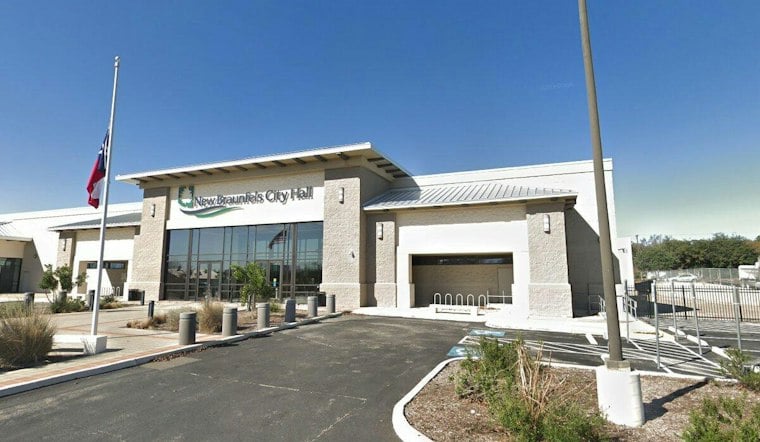
New Braunfels officials are drawing up tougher rules for data centers, including a 500-foot buffer from homes, a hard ban over the Edwards Aquifer recharge zone, and a requirement that every new facility win a Special Use Permit from the city council before breaking ground. The draft also caps noise at 55 decibels at residential property lines and would force developers to run closed-loop cooling systems rather than tapping local water supplies for evaporative cooling.
The proposal, detailed by San Antonio Business Journal, would limit data centers to heavy-industrial zones citywide and require public hearings and utility capacity approval letters before any project reaches the council. The draft would require developers to prove ahead of time that the grid and pipes can handle the load, per the same outlet's reporting.
The push stems from a gap in the city's own code. Chapter 144 currently has no specific land-use definition for data centers at all, according to City of New Braunfels records, meaning the facilities are currently allowed by right in heavy-industrial M-2 and M-2A districts and permitted with a Special Use Permit in lighter M-1 and M-1A districts, with no data-center-specific safeguards on water, noise, or setbacks either way.
Council Opted for Faster Fix Over a Moratorium
Mayor Michael French requested a council item on data centers, according to city records. A data-center moratorium was also proposed.
Elsewhere, officials have debated outright construction pauses. Hoodline previously reported that San Antonio council members have pushed for a data center construction moratorium of their own.
A Pending Project Already Waiting in the Wings
The regulatory debate isn't happening in a vacuum. A pre-development meeting request, filed under case number DVS26-669, was submitted to city officials in June for a proposed data center development along FM 1101, according to a report from ColocationScout. The rules the council adopts next month could shape how that project — and others like it — ultimately get built.
Fiscal resistance to large data center campuses has already surfaced nearby. On February 24, 2026, Guadalupe County commissioners voted 3-2 to reject a proposed $500 million property tax abatement for CloudBurst Texas LLC's multi-building data center campus on Francis Harris Lane in New Braunfels, according to Community Impact. Commissioners cited missing environmental details and the county's limited land-use authority when they voted down the break.
State-Level Pressure Adds Urgency
New Braunfels' local rulemaking arrives as Texas officials apply their own pressure on the industry. Governor Greg Abbott directed the Texas Commission on Environmental Quality in September to halt all environmental permitting for data centers statewide while the Electric Reliability Council of Texas audits grid interconnection requests, according to the Office of the Texas Governor. ERCOT has reported receiving more than 474 gigawatts of new interconnection requests, with roughly 90 percent of that demand coming from proposed data centers.
Texas Attorney General Ken Paxton has separately sent letters to 156 data center developments across 32 counties demanding compliance with mandatory water usage reporting, after state surveys turned up widespread reporting failures, according to the Office of the Attorney General of Texas.
What Happens Next
The New Braunfels Planning Commission is set to hold a public hearing on the draft ordinance on November 4, with the City Council taking up a first reading five days later on November 9. Whether the new rules satisfy residents worried about noise and water use, or simply push developers toward unincorporated stretches of Comal and Guadalupe counties where zoning authority is thinner, remains an open question heading into those votes.





