

























































A North Texas woman is speaking out after surviving vasculitis, a rare and potentially deadly illness. She is now sharing her survival story.
What Vasculitis Does to the Body
Vasculitis is actually a group of rare diseases that cause inflammation of the blood vessels, according to the American College of Rheumatology. That inflammation can impair blood flow to major organs, including the lungs and kidneys. The organization notes that vasculitis may be an autoimmune disease, though some types are instead reactions to medications, cancer, or viral infections such as hepatitis B or C.
Granulomatosis with polyangiitis (GPA) is one form of vasculitis that can affect the nose and throat, lungs and kidneys. Dallas resident Esmeralda Carrera’s experience illustrates how symptoms can initially point elsewhere: she developed a persistent cough and wheezing, was first diagnosed with asthma and fibromyalgia, and received a GPA diagnosis in January 2026 after further testing. The National Heart, Lung, and Blood Institute describes the organs commonly affected by GPA; Carrera’s account details her diagnostic path.
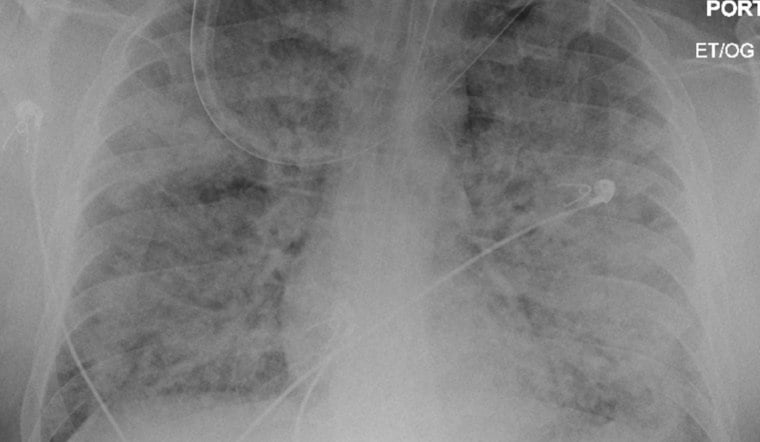
When vasculitis affects the respiratory system, symptoms can include shortness of breath, cough, and sinus problems, according to the American College of Rheumatology. In severe cases, the disease can become fatal if it disrupts blood flow to the organs, according to the Cleveland Clinic.
A Rare Diagnosis With a Hopeful Outlook
Vasculitis is uncommon to begin with. The Cleveland Clinic estimates that fewer than 50 out of every million people in the U.S. develop it each year. Treatment options are available for the condition.
For the most severe, life-threatening presentations, doctors may turn to aggressive therapies. The American College of Rheumatology lists cyclophosphamide, an immunosuppressant, as an option for life-threatening disease, alongside treatments like plasma exchange and intravenous immunoglobulin for patients with severe cases. Despite how dangerous the disease can get, the same organization says that with treatment, the outlook for vasculitis patients is generally good.
Treating Lung Complications Is an Evolving Science
A 2016 study helps put the most severe cases in perspective, while not representing outcomes for everyone with vasculitis. Researchers examined 82 patients treated with cyclophosphamide for acute small-vessel vasculitis across 20 intensive care units in France. Respiratory failure was a reason for admission for 34% of patients, and 33% had pulmonary-renal syndrome; 18% had died by 90 days. The study’s results show how serious ICU-level disease can be.
The North Texas case adds to a small but growing body of medical literature on just how dangerous vasculitis can become when it hits the lungs hard enough to require intensive intervention. A 2016 multicenter retrospective study, indexed through PubMed Central, examined outcomes among patients admitted to intensive care units for acute manifestations of small-vessel vasculitis, underscoring that such critical cases are serious enough to warrant dedicated research. Separately, a case report published through CEN Case Reports and Springer Nature described the use of the drug avacopan for severe pulmonary hemorrhage requiring extracorporeal membrane oxygenation in a patient with MPO-ANCA-positive vasculitis, illustrating the kind of advanced interventions now being explored for the disease's most severe pulmonary complications.





