

























































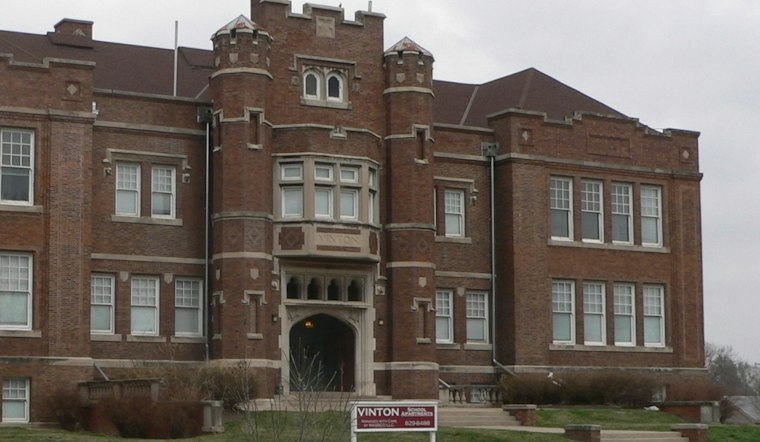
A shuttered elementary school in Beatrice has become 25 apartments for seniors, part of a growing pattern across Nebraska where towns are turning empty classrooms into affordable homes rather than letting the buildings rot. Stoddard Place, built inside the former 1950s Stoddard Elementary School, is a residential site for seniors aged 55 and older in the southeast Nebraska city of roughly 12,300 residents.
The $6.4 million renovation wrapped up in September, opening with 80% of its units restricted to households earning at or below 60% of the area median income, according to the Beatrice Daily Sun. As reported by the Omaha World-Herald, Stoddard Place helps address Beatrice's affordable housing shortage by giving the vacant school building new purpose.
Beatrice Public Schools closed Stoddard Elementary in 2024 alongside three other aging buildings after opening a single consolidated elementary school, and the city subsequently acquired and transferred the property for housing development, according to Nebraska Public Media. Developer Hoppe Development adapted the former school for residential use.
Phase Two Brings Family Townhomes and a Health Clinic
The project isn't finished. A planned second phase of Stoddard Place will expand onto adjacent former school grounds to build 45 townhomes for families, paired with a community facility designed to house a local food pantry and a health clinic, per the same account from Nebraska Public Media. The World-Herald reports that future phase will include townhome-style housing for families, with a park situated between the senior housing and the planned townhomes.
Grant funding was also planned for a playground at the former Stoddard School site.
Ogallala Eyes Its Own Century-Old Schoolhouse
Ogallala is attempting a similar transformation. The former school site there is slated to become Schoolhouse Apartments, converting a building constructed more than a century ago and vacated in 2015 into 40 apartment homes, according to the World-Herald. The redevelopment will also include a healthy living and community space inside the old gym.
The redevelopment is estimated to cost nearly $16 million, with historic tax credits among its financing tools.
Why So Many Schools Sit Empty
The scale of the problem explains why these conversions keep popping up. Nebraska's total number of school districts dropped from 7,133 in 1926 down to 544 by 2000 and 244 by 2026, continually creating vacant educational properties in rural towns, Nebraska Public Media reports. Decades of consolidation have left school buildings vacant in communities across the state.
Affordable housing developments like these increasingly lean on a mix of historic tax credits and low-income housing tax credits to pencil out, the World-Herald notes, with tax incentives tied to commitments to provide low-rent housing. Federal policy changes have also helped, permanently maintaining a 9% Low-Income Housing Tax Credit rate increase and reducing the Private Activity Bond volume cap threshold for 4% LIHTC developments from 50% to 25%, according to the Nebraska Investment Finance Authority's board documents.
Repurposing old school shells puts vacant buildings to use in small towns, where infrastructure costs can be high, per the World-Herald. Beyond the dollars, the historic school building conversions help preserve community history and valued landmarks, giving residents a reason to see the old hallways as something worth saving rather than tearing down.





