

























































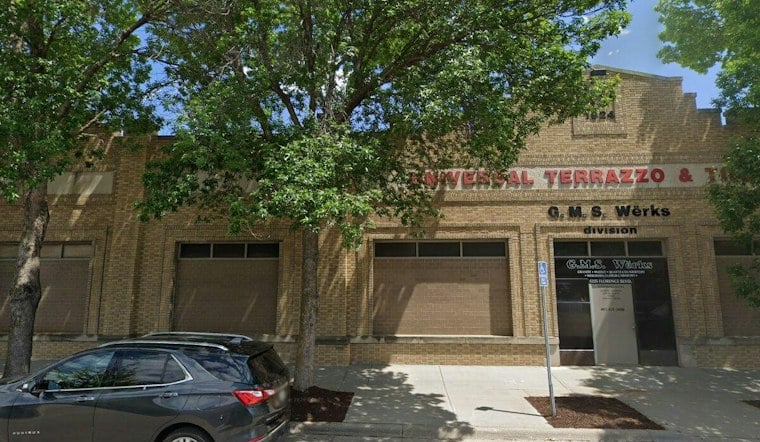
A passenger hanging out of a moving car window held two 25-foot metal planks in place as the vehicle rolled away from a North Omaha stone and tile business, according to police. The theft at GMS Werks took about three minutes from start to finish, and investigators say the thieves appeared to know exactly what they were after.
The brazen daylight heist happened on August 15, when suspects used a white Volvo sedan to haul away two metal planks, each valued at nearly $1,200, for a total loss of about $2,400, as reported by KETV. The suspects spent roughly two and a half minutes at the scene before loading the planks onto the roof of the car, with a passenger wearing red leaning out the window to keep the metal secured in place as the car pulled away. GMS Werks, the victimized business, is a century-old natural stone, tile, and terrazzo company founded in Omaha in 1924 and headquartered at 4225 Florence Blvd.
Police Have the Car, Not the Culprits
Investigators have identified the vehicle and tracked down its registered owner, but they still do not know who was actually inside the car or who physically committed the theft. That gap between a known vehicle and unidentified occupants is a familiar hurdle in property crime cases, since simply owning a car does not confirm who was driving or riding in it at the time of a theft. Prior theft convictions can affect potential charges, since Nebraska law enhances a third conviction for misdemeanor theft under $500 into a Class IV felony.
Under Nebraska's aggregated-theft statute, stealing property worth between $1,500 and $5,000 counts as a Class IV felony, and items taken during a single course of conduct, like the two metal planks, can be combined into one charge. That classification exposes whoever is eventually identified to up to two years in prison, 12 months of post-release supervision, and a fine as high as $10,000 under state sentencing law.
Selling the Metal Won't Be Easy
Even if the suspects managed to get away with the planks, unloading them for cash presents its own obstacles. Nebraska law bars secondary metal recyclers from paying more than $25 in cash for scrap purchases, and any payment for regulated metals over $100 must be issued by check mailed to the seller's verified address. Scrap yards are also required to collect photo identification from sellers and keep transaction records for at least a year, a paper trail that makes quietly cashing in stolen material difficult. Commercial drop-off rules additionally require that scrapped items contain at least 50 percent metal content, and non-ferrous metals typically fetch far more than raw iron or steel on the resale market.
Anonymous Tips Could Mean a Payout
Anyone with information is being asked to call Omaha Crime Stoppers at 402-444-STOP, with tips remaining anonymous and callers never asked to testify. Omaha Crime Stoppers has operated since 1982 as an independent, civilian-led nonprofit funded entirely through donations and fundraising rather than police or tax dollars, and its board of private citizens approves every reward payout. The organization routes submissions through encrypted software that issues a secure tip ID, letting approved tipsters collect cash at local banks without ever revealing their identity to law enforcement, and callers are never asked for their names, phone numbers, or other personal details.
Standard tips to the program typically pay between $50 and $1,000, a scale set well below the group's Enhanced Reward Program, which can pay up to $25,000 in homicide cases. As of July 2025, Omaha Crime Stoppers had authorized more than $2.3 million in payouts across over 53,000 anonymous tips since its founding, a milestone Hoodline previously noted while covering Roland Nieves's arrest in a separate Omaha case.





