

























































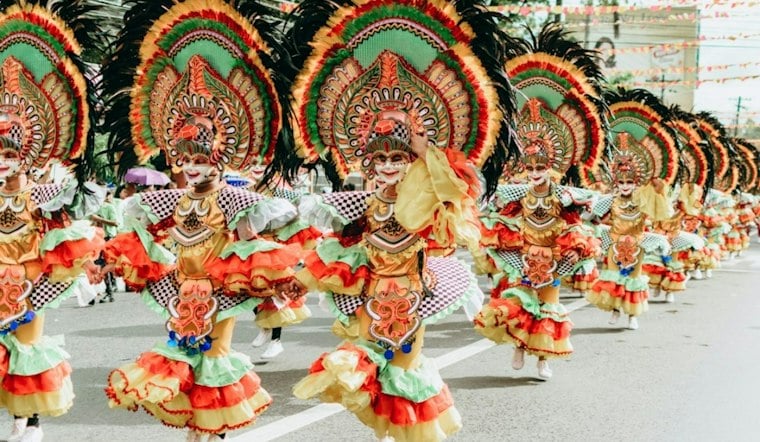
The intersection of Roscoe Boulevard and Woodman Avenue in Panorama City has a new name: Kapwa Square. City officials, community leaders and neighborhood residents gathered at the corner this week to unveil a marker recognizing the Filipino community's longstanding presence and cultural contributions in the area and across the San Fernando Valley, according to the seed facts behind this story. The event doubled as a kickoff for Filipino American History Month.
The designation traces back to a City Council motion that Councilmembers Imelda Padilla and Ysabel Jurado introduced on August 26, 2025, according to MyNewsLA.com. The motion specifically pointed to Panorama City as a hub for Los Angeles's broader Filipino American population. Padilla, who represents Council District 6 covering Panorama City, Sun Valley, Van Nuys, Arleta and Lake Balboa, was elected to the seat in 2023 after winning a special election to fill the vacancy left by former Council President Nury Martinez, as reported by the Los Angeles Times. Jurado, who represents District 14, holds the distinction of being the first Filipina elected to the Los Angeles City Council.
As detailed by the Los Angeles Daily News, the square takes its name from kapwa, a Filipino concept centered on shared identity, interconnectedness and seeing oneself in others, according to officials. The unveiling featured speakers, community performances, and even a jeepney on site, the colorful public transportation vehicle iconic across the Philippines. Photographer David Crane captured the scene for the Daily News as councilmembers and community members stood near the new marker.
Civic and Community Leaders Turn Out
Beyond Padilla and Jurado, the gathering drew a cross-section of civic and community figures. Gerald Gubatan and Janelle Parra were present at the marker site, per the Daily News account, while MyNewsLA reported that Pilipino Workers Center Executive Director Aquilina Soriano-Versoza and Los Angeles Filipino Association of City Employees President Janelle Adeloga Parra also attended. The ceremony was accompanied by a community resource fair alongside the cultural performances, the outlet noted.
Historian Dr. Joseph Bernardo, whose book Filipinos in the San Fernando Valley was published through Arcadia Publishing in August 2025, attended the dedication as both a featured speaker and local historian, according to the Asian Journal. His book documents more than a century of Filipino migration and suburban life throughout the Valley, grounding Kapwa Square in a history that predates any single storefront or civic milestone.
A Corridor Built Over Decades
The Roscoe and Woodman intersection didn't become a natural gathering point by accident. The surrounding corridor anchors a dense Filipino commercial hub that includes long-standing businesses such as Seafood City Supermarket at 8231 Woodman Avenue, according to Hoodline's earlier reporting on Island Pacific Eyes Old 99 Cents Only Spot in Arleta. Island Pacific Supermarket, another major regional grocery chain, opened its very first store in Panorama City back in March 2000, founded by USC graduate Nino Jefferson Lim, before expanding across California, Nevada and Washington.
More recently, the nonprofit Pilipino Workers Center expanded its reach into the San Fernando Valley by opening its first Valley community hub in Panorama City in 2025, per MyNewsLA. The organization, established in 1997, has long operated out of Historic Filipinotown. That downtown-adjacent neighborhood became the city's first officially recognized Filipino cultural district in August 2002, according to the Los Angeles Times, giving Los Angeles two distinct Filipino cultural touchstones a few decades and several miles apart.
A Population Still Seeking Visible Recognition
Filipino Americans constitute the largest Asian American ethnic subgroup in both the City of Los Angeles and the state of California, according to Public Matters. Despite that population size, advocates note that official physical markers for the community have remained relatively scarce, a gap that Kapwa Square aims to help close in the Valley specifically. The new square joins a short list of formally recognized Filipino cultural sites in the city, even as questions remain about what streetscape improvements or signage might follow and whether other San Fernando Valley neighborhoods could see similar designations down the line.


